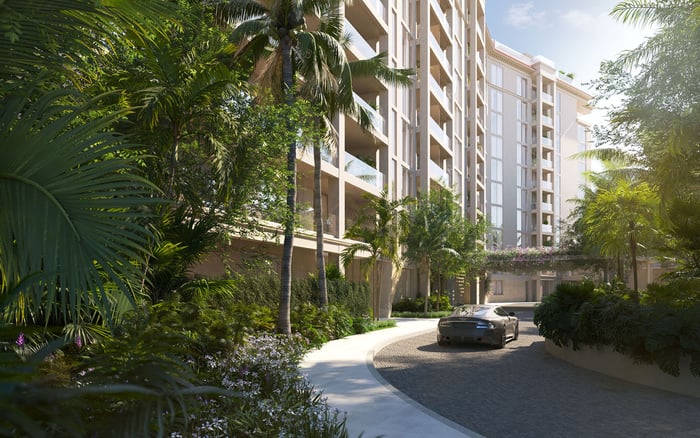
Fisher Island maximizes controlled access and club-based convenience, while Key Biscayne favors road-connected family routines, on-island schools, and easier household logistics.
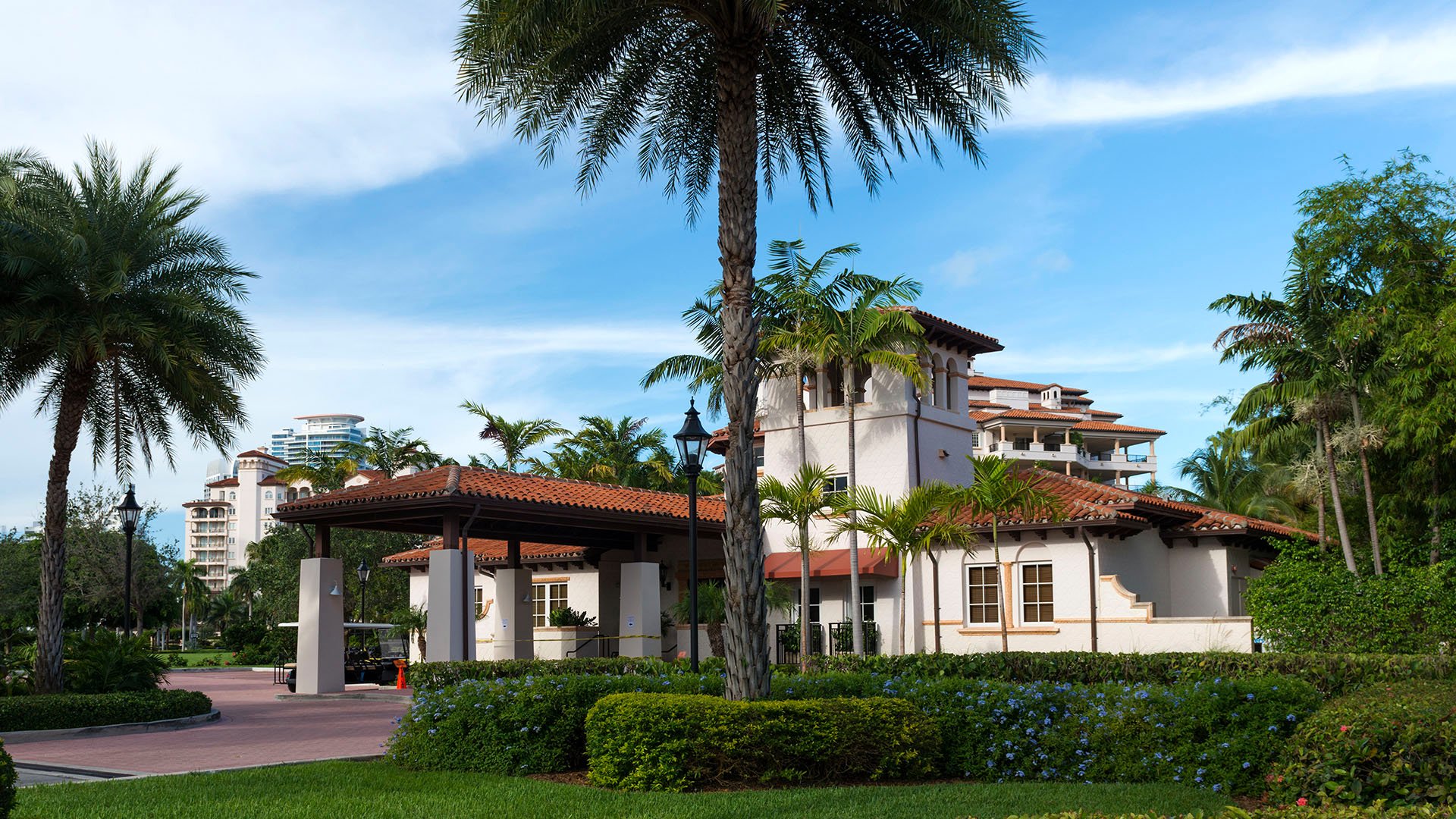
Fisher Island and Key Biscayne both offer water-bound separation from central Miami, but they structure primary-residence life in fundamentally different ways. One uses controlled transportation and guest clearance to preserve exceptional seclusion. The other is an incorporated village connected to the mainland by a public causeway, balancing residential privacy with familiar family infrastructure.
For buyers, the distinction is less about which address is more exclusive than which operating model best suits the household. School schedules, professional commitments, domestic staff, medical appointments and spontaneous errands can be more revealing than a view or floor plan. This is a choice between privacy through restricted access and privacy within a road-connected community.
Fisher Island has no public bridge or road. Residents reach it through a 24-hour private ferry system or, where applicable, by private yacht, helicopter or seaplane. Monitored entry points and resident-sponsored guest clearance eliminate casual drive-through traffic. Staff, service providers, guests and property-showing visitors generally require advance authorization.
That framework is compelling for principals who prioritize discretion and can coordinate movement in advance. It also makes off-island school runs, commutes, appointments and errands more planning-intensive than in a road-connected neighborhood. A family office, household manager or established driver schedule can turn that structure into an advantage, but the requirement remains integral to daily life.
The island offsets this friction with an unusually self-contained environment. Its market, dining, recreation and wellness facilities can satisfy many routine needs within the controlled perimeter. Club amenities include private beachfront facilities, tennis, pickleball, dining, a spa, a fitness center, a marina and golf at The Links, a nine-hole P.B. Dye course. Club membership is optional, yet broader access to facilities and events can materially affect how complete the on-island lifestyle feels. Terms and privileges should be confirmed at purchase.
Residences such as The Residences at Six Fisher Island and Palazzo della Luna provide relevant points of comparison within the island’s largely full-service, club-linked condominium market. Buyers considering a different residential format can also evaluate The Links Estates at Fisher Island. The broader appeal is clear: staffed and lock-and-leave ownership works naturally where access, amenities and service function as an integrated system.
Key Biscayne is connected to mainland Miami by the Rickenbacker Causeway. That public-road connection changes the cadence of life in a primary residence. Deliveries, contractors, tutors, medical visits and professional commutes are generally easier to arrange because visitors can arrive without a private ferry crossing or island-specific pre-clearance.
The village had 14,809 residents and a median age of 43.4 in the 2020 census. An estimated 27.1 percent of residents are under 18, reinforcing the practical importance of family-oriented services. Housing includes single-family homes and condominiums, while neighborhood retail, dining, parks and conventional local services support a recognizable residential routine.
Privacy here is more conventional. Buyers can select a home or condominium that offers security and separation while retaining the flexibility to leave by car, accommodate a last-minute service appointment or adjust a school-day schedule. Oceana Key Biscayne provides a residential reference for buyers comparing condominium ownership within this road-connected island setting.
Key Biscayne holds a meaningful advantage for families seeking education within the village. Miami-Dade County Public Schools operates the on-island Key Biscayne K-8 Center at 601 Ridgewood Road. Private-school options include St. Agnes Academy, serving pre-kindergarten through eighth grade at 100 Harbor Drive, as well as St. Christopher’s By-the-Sea Montessori School and Key Biscayne Community Church Day School.
These choices do not eliminate every off-island journey, but they can simplify the recurring logistics of younger children. Fisher Island buyers using off-island schools must instead account for the ferry in the daily route. The relevant question is not merely mileage, but how reliably the family can absorb an additional transportation layer across drop-offs, activities and unexpected schedule changes.
On Fisher Island, controlled access supports privacy precisely because arrivals are managed. That structure can suit households with regular personnel, recurring vendors and predictable calendars. It is less compatible with a preference for casual, same-day access unless the household is prepared to coordinate authorization and transportation.
Key Biscayne allows a more fluid service pattern. A contractor, tutor or delivery can use the causeway and public roads, making routine scheduling easier. The trade-off is that the village does not exclude casual road traffic as Fisher Island does. Buyers are choosing between perimeter-level control and greater operational flexibility.
In both locations, due diligence should extend beyond the residence. Buyers should test school and office routes at realistic hours, understand guest procedures, map recurring medical and household services, and determine whether the preferred property supports full-time staff or lock-and-leave use.
Fisher Island best serves privacy-sensitive buyers who value a controlled perimeter, resort-style amenities and club-based convenience-and who can organize daily life around managed transportation. Key Biscayne better serves households that prioritize on-island school options, spontaneous errands, public-road access and a family-oriented village structure.
Both can deliver an exceptional waterfront home. The better fit depends on whether privacy should govern the household’s operating system or coexist with the flexibility of everyday access.
Which island offers the more controlled residential environment? Fisher Island, because it has no public road or bridge and generally requires advance guest authorization.
Can residents drive directly from Fisher Island to mainland Miami? No. Vehicles use the island’s private ferry system because there is no public bridge connection.
Does Key Biscayne offer an on-island public school? Yes. Key Biscayne K-8 Center provides an on-island public-school option.
Are private schools available within Key Biscayne? Yes. In-village options include St. Agnes Academy and two additional early-education or Montessori schools.
Which location is easier for contractors and tutors to access? Key Biscayne is generally easier because visitors can arrive by public road via the Rickenbacker Causeway.
Can Fisher Island satisfy routine needs without leaving the island? Many needs can be met through its market, dining, recreation and wellness facilities.
Is Fisher Island club membership automatic? Club membership is optional, and current access, terms and privileges should be verified before purchase.
Which community better suits lock-and-leave ownership? Fisher Island’s largely full-service condominium and club-linked housing can suit that ownership pattern.
Is Key Biscayne limited to condominiums? No. Its residential market includes both single-family homes and condominiums.
What should primary-residence buyers test before deciding? They should model school, work, staffing, guest and service routines under each community’s access system.
To compare the best-fit options with clarity, connect with MILLION.
If branded residences are on your mind — as a home or as an allocation — we would be glad to share what we are seeing, privately.
Begin a quiet conversation