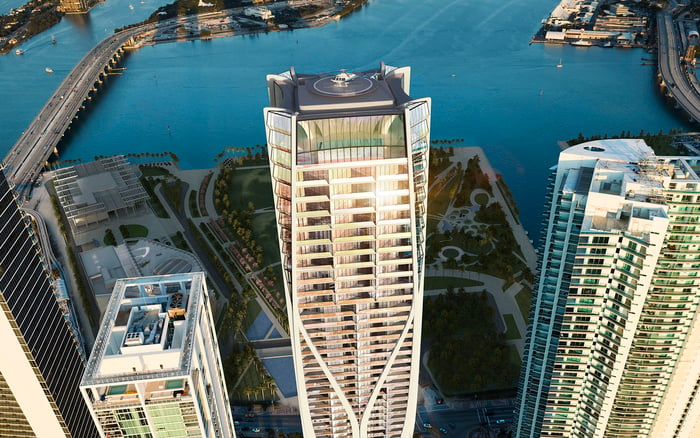
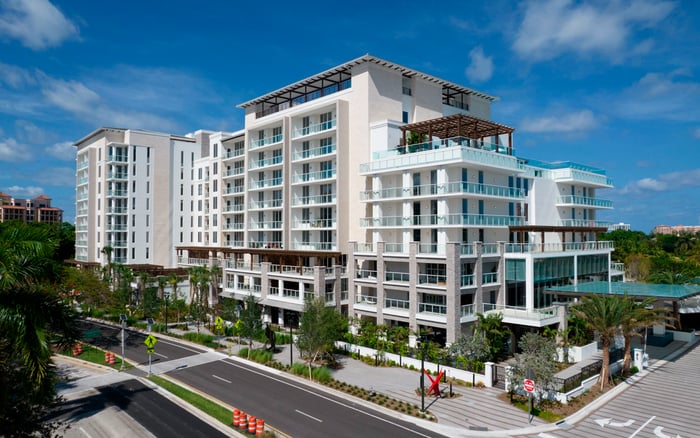
Family-oriented condo buying in South Florida is less about choosing the tallest tower and more about matching daily routines to the right neighborhood. Miami, Fort Lauderdale, and Palm Beach each offer a different rhythm for school runs, weekend life, privacy, mobility, and multigenerational living.
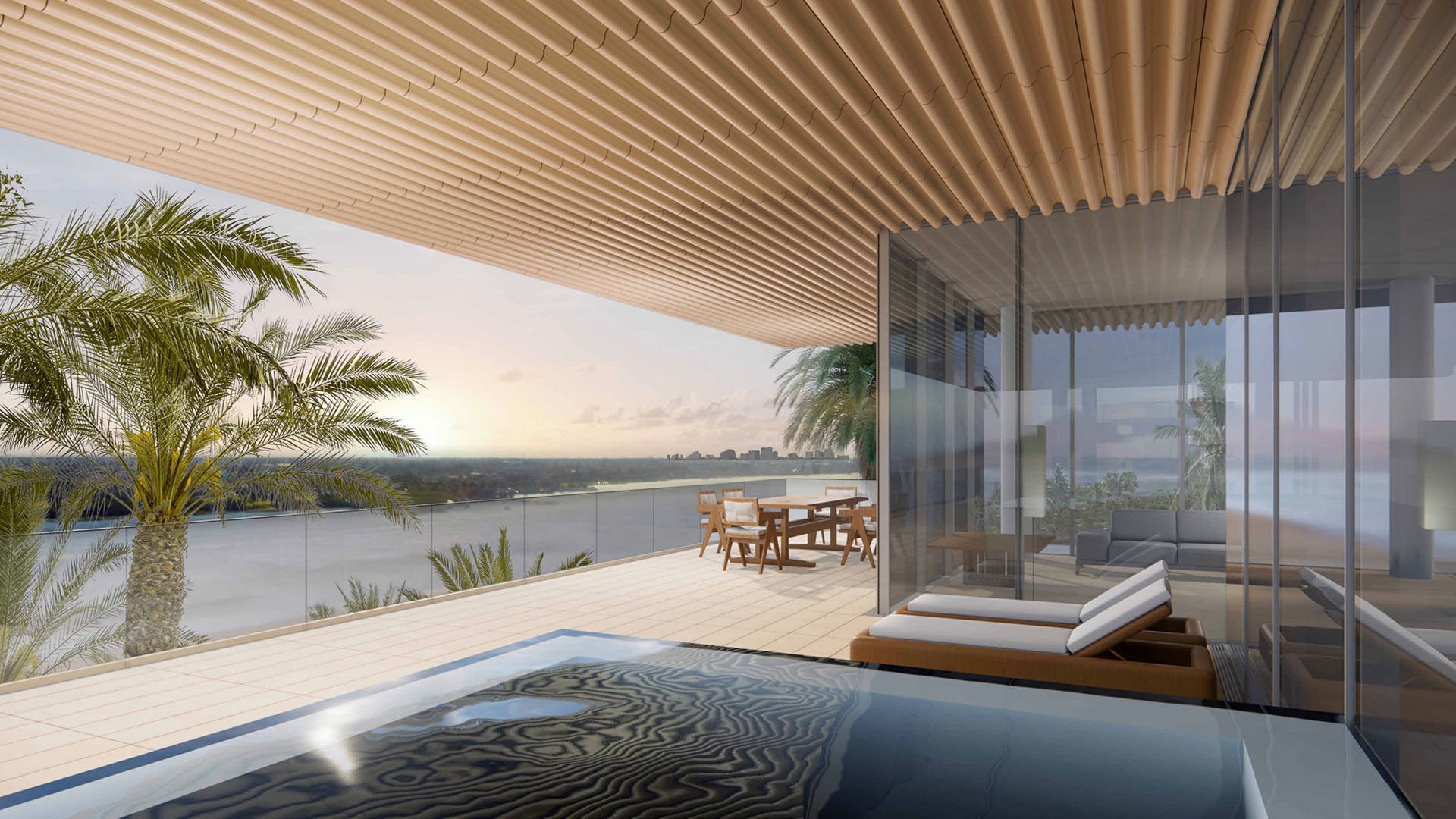
For family buyers comparing Miami, Fort Lauderdale, and Palm Beach, the condo shortlist is no longer driven solely by views, finishes, and brand prestige. Those elements still matter, but they become secondary to the practical choreography of daily life: school mornings, elevator routines, after-school activities, grandparents visiting for the season, weekend beach time, pets, storage, parking, and the ability to move through the building without friction.
A family-focused neighborhood is not simply a pleasant address. It is a place where the condominium, the street, and the surrounding routine work together. Even the best building can feel wrong if every errand becomes a negotiation. A quieter building can feel exceptional if it shortens the school run, offers generous outdoor space, and gives children room to grow into the neighborhood.
This is why a serious South Florida search should begin with lifestyle mechanics rather than the sales gallery. Buyers may admire Miami’s architecture, Fort Lauderdale’s waterfront ease, and Palm Beach’s composure, but the winning shortlist is shaped by how each location performs on an ordinary Tuesday.
For families, the most valuable geography is often measured in minutes rather than miles. The essential question is not whether a residence is near a major destination, but whether the family can repeat the same route several times a week without fatigue. Morning drop-off, afternoon pickup, tutoring, sports, music, and medical appointments all create a hidden map that should influence the condo decision.
In Miami, the family search often becomes highly neighborhood-specific. Brickell may appeal to parents who want urban immediacy and a short path to offices, restaurants, and cultural life. Coconut Grove offers a more residential rhythm, with a village-like feeling that many families find easier for weekends and informal routines. Aventura can enter the conversation when families want a more established ecosystem of shopping, services, and residential convenience, with a broader suburban cadence.
In Fort Lauderdale, the decision often centers on a softer daily pace. Buyers may value access to water, a sense of breathing room, and a less vertical feeling than parts of Miami. In Palm Beach, the family calculation tends to prize discretion, calm, and a sense of permanence. The right answer depends less on prestige than on which daily pattern the family wants to repeat for years.
Miami offers the broadest range of luxury condominium personalities, from high-energy urban towers to boutique coastal addresses and low-density enclaves. For families, that variety is both the opportunity and the challenge. A building can have impressive amenities, but the question is whether those amenities support family life rather than merely decorate the brochure.
A family comparing Brickell, Miami Beach, Coconut Grove, and Aventura should examine the sequence of a normal day. Can a stroller move from residence to car without awkward transfers? Are elevators abundant enough for school-hour departures? Is there a children’s room, a shaded outdoor area, or a flexible lounge that works before dinner? Does the residence offer enough separation between adult entertaining spaces and children’s rooms?
Miami rewards buyers who are precise. A tower in the wrong micro-location can turn every outing into a production. A less prominent address in the right pocket can deliver a better family experience. The family lens also changes how buyers view height. High floors may provide drama, but lower or mid-level residences can be more convenient for parents managing routines, guests, and pets.
The shorthand may be Brickell for intensity, Aventura for convenience, and Coconut Grove for softness, but each family should test those labels against its own schedule. Even the most glamorous view cannot compensate for a home that makes every school morning feel compressed.
Fort Lauderdale often becomes compelling when families want South Florida luxury without the constant acceleration of Miami. The appeal is not only waterfront living. It is the possibility of a calmer residential rhythm, with boating culture, beach access, dining, and family errands feeling more legible.
For condo buyers, Fort Lauderdale should be evaluated through the relationship between the building and the family’s weekly life. Some buyers will prioritize proximity to the beach. Others will value access to marinas, parks, or established residential streets. The building itself should be tested for practical comfort: parking convenience, guest accommodation, package handling, storage, pet policy, and the quality of shared spaces during weekends and holidays.
The family shortlist in Fort Lauderdale often favors residences that feel generous without becoming overly formal. Wide living areas, usable terraces, and flexible dens can matter more than ornamental details. A pool is useful only if it works for multiple ages, different times of day, and seasonal guests. Pets are not a minor afterthought for many families; they shape elevator use, outdoor routines, and building culture.
Fort Lauderdale’s strongest family appeal may be emotional as much as practical. It can offer a sense of release at the end of the day, which is not always easy to quantify but is immediately felt by families moving between school, work, sport, and travel.
Palm Beach changes the conversation again. Here, family-focused condo buying is often less about stacking amenities and more about preserving a graceful lifestyle. The most desirable residence may be the one that feels quiet, secure, and easy to own over time.
For some buyers, Palm Beach signals a seasonal family base, a multigenerational gathering place, or a long-term retreat from more kinetic markets. That means the shortlist should be judged by how well the residence supports visiting relatives, holiday entertaining, household staff needs, and low-stress arrivals. Privacy, entry sequence, service areas, and the feeling of the lobby matter deeply.
Palm Beach also encourages a more measured view of space. Families may prefer fewer shared amenities if the residence itself offers better proportions, better light, and more elegant separation between public and private rooms. A den that can become a homework room, guest suite, or quiet office may have more enduring value than a highly specialized amenity that is rarely used.
The family buyer in Palm Beach is often seeking continuity. The right building should feel appropriate not only for the children’s current ages, but also for the next stage of the family’s life.
Family buyers should read a condominium differently from a single professional or occasional second-home owner. The floor plan is the first filter. Bedrooms should not simply exist; they should be placed intelligently. Families often benefit from split plans, flexible dens, laundry rooms with real utility, and kitchens that can handle both weekday meals and catered evenings.
The second filter is circulation. Elevator wait times, valet choreography, stroller access, service corridors, and parking assignments can define the lived experience. A residence that photographs beautifully may disappoint if the path from car to kitchen is awkward. Conversely, a quieter building with excellent internal flow can feel luxurious every day.
The third filter is amenity culture. A children’s room, lounge, pool deck, or fitness area is only as valuable as its management and atmosphere. Families should consider whether the building feels welcoming to children without becoming chaotic, refined without becoming rigid, and secure without feeling closed off.
Finally, governance matters. Rules around guests, renovations, deliveries, pets, and amenity use can shape family comfort. Luxury is not only what is visible. It is the absence of unnecessary complications.
The strongest approach is to create two shortlists at once. The first is emotional: where does the family actually want to be? The second is operational: which buildings make life easier? Only the overlap deserves serious consideration.
A family should visit neighborhoods at the times they will actually use them. A weekend lunch tells one story; a weekday morning tells another. The right condo should feel composed during school-hour departures, late-afternoon returns, and Sunday evenings. Buyers should also walk the immediate area, not only tour the amenity deck. The surrounding blocks often reveal whether the neighborhood supports children, guests, and routine errands.
The final decision is rarely about Miami versus Fort Lauderdale versus Palm Beach in the abstract. It is about the exact match between a family’s private rhythm and a building’s daily performance. When that match is right, the residence does not merely impress. It supports a life that feels considered, calm, and deeply personal.
Should family buyers choose the neighborhood before the building? Usually, yes. The neighborhood sets the daily rhythm, while the building refines the experience.
Is Miami too urban for family condo living? Not necessarily. Miami can work beautifully for families when the micro-location and building logistics match the household routine.
Why do some families prefer Fort Lauderdale? Fort Lauderdale can offer a calmer pace, water-oriented living, and a more legible daily routine for some buyers.
What makes Palm Beach appealing for families? Palm Beach often appeals to buyers seeking privacy, composure, and a residence that can support multigenerational use.
Are amenities the most important factor for children? Amenities matter, but circulation, safety, storage, and neighborhood convenience often matter just as much.
Should buyers prioritize a high floor? Not always. Families may prefer a residence that balances views with convenience, elevator access, and daily practicality.
How important is outdoor space? Very important. Usable terraces, shaded areas, and comfortable pool environments can meaningfully improve family living.
Do pet policies affect resale appeal? They can. Many luxury families include pets, so building rules and outdoor access can influence desirability.
Can a second home still be family-focused? Yes. Seasonal residences often need even stronger planning for guests, storage, arrivals, and flexible rooms.
What is the best way to compare three markets? Compare the ordinary weekday first, then evaluate views, finishes, and prestige within the locations that work.
To compare the best-fit options with clarity, connect with MILLION.
If branded residences are on your mind — as a home or as an allocation — we would be glad to share what we are seeing, privately.
Begin a quiet conversation