A disciplined framework for evaluating insurance costs, flood-zone context, deductibles, building documents, and family liquidity before selecting a North Bay Village residence.

For a family buyer, the right North Bay Village residence is defined by more than its purchase price. Insurance terms, flood-zone context, deductibles, building obligations, and available cash after closing belong in the same decision model as bedrooms, views, and daily convenience.
The most effective approach begins before emotional attachment takes hold. Ask an insurance professional for written, residence-specific indications, give counsel and the lender time to review them, and preserve the flexibility to reconsider if the economics do not align with the family’s risk tolerance. A beautiful water view should complement financial confidence, not compete with it.
This discipline is particularly important when comparing a waterfront home with an inland alternative or including Miami Beach in a broader coastal search. The objective is not to eliminate every uncertainty. It is to distinguish known obligations from conditional ones and determine how much liquidity the household would want if several costs arrived at once.
Buyers should resist compressing every weather-related concern into a single number. Instead, create three columns: wind, flood, and out-of-pocket exposure. For each, request the applicable premium indication, coverage limit, deductible language, exclusions, assumptions, and items awaiting confirmation.
A flood-zone designation is one input, not a complete verdict on a home. Ask the insurance adviser, lender, survey professional, and closing team what the designation means for the specific transaction. Then confirm which documents informed their assessment and whether anything could change before closing.
Deductibles warrant a separate calculation. Have the adviser explain whether each relevant deductible is expressed as a dollar amount, a percentage, or another structure, then calculate the potential out-of-pocket cost in dollars. The family should understand the calculation without relying on shorthand.
A well-organized buyer file makes comparisons more precise. It may include the proposed contract, residence details, lender requirements, current insurance indications, policy specimens where available, building coverage information, association materials, and written answers to unresolved questions.
For condominium candidates, review the residence-level proposal alongside the building’s insurance documents. Ask counsel and the insurance adviser to identify where one policy ends and another begins rather than assuming the association’s coverage resolves every concern. Also seek clarification on exclusions, interior responsibilities, personal property, temporary living costs, and any optional coverage under consideration.
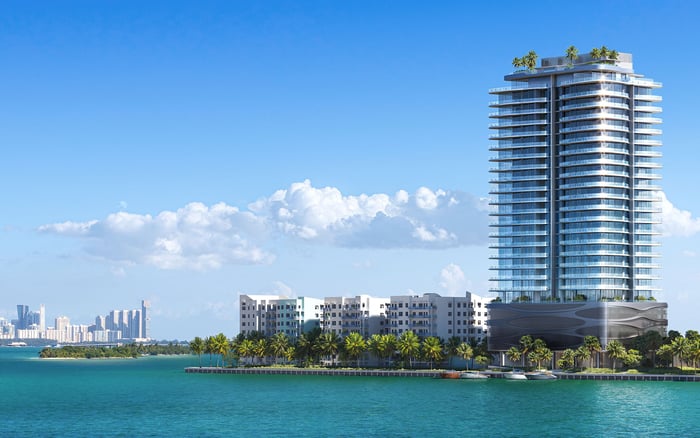
When reviewing Continuum Club & Residences North Bay Village, use the same document checklist applied to every competing property. Consistency matters: it prevents architecture, amenities, and lifestyle from obscuring differences in financial exposure.
A lower quoted premium does not, by itself, establish the better outcome for a family. Place each proposal in a simple scenario table showing the recurring quoted cost, applicable deductibles, uncovered items identified by the adviser, and the cash the family intends to retain after closing.
Then model several hypothetical moments: one covered claim, overlapping household repairs, a temporary relocation, or a building-related payment during an already expensive year. These are planning scenarios, not forecasts. Their purpose is to test whether the purchase remains comfortable when the household budget is under pressure.
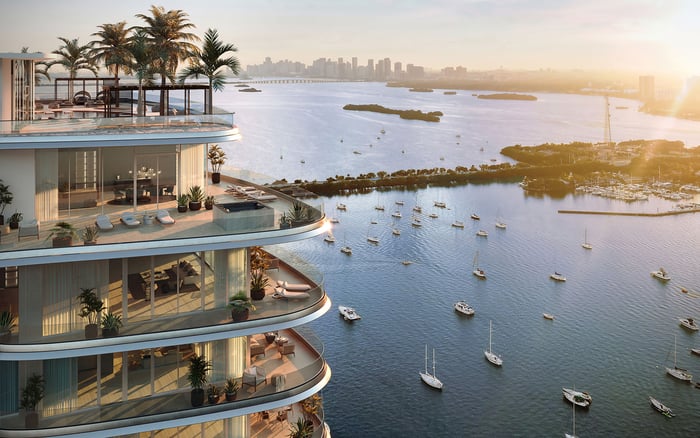
Apply the same exercise when reviewing Shoma Bay North Bay Village. Families considering new-construction or pre-construction residences should also ask which insurance and building documents exist now, which will become available later, and what must be reconfirmed before closing.
Effective buyer’s guides do more than arrange residences by asking price. A family-oriented comparison should present every candidate on one page, with fields for estimated total housing outlay, insurance assumptions, deductible exposure, association obligations, document status, lender conditions, and desired post-closing reserves.
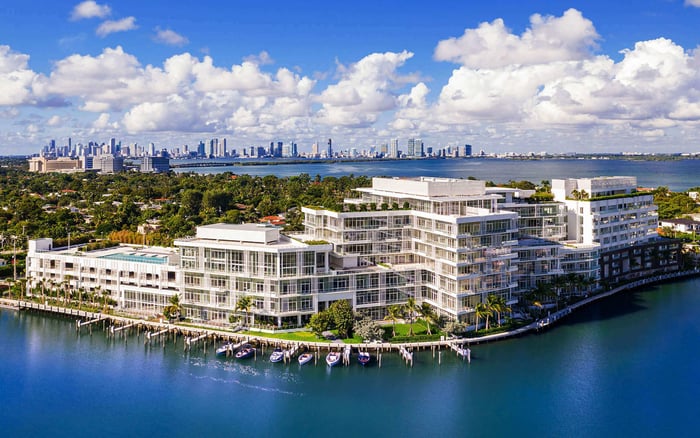
Apply that framework to Tula Residences North Bay Village and any resale under consideration. If a field is unknown, label it accordingly. Do not quietly substitute an estimate from another residence, building, or prior transaction.
A productive final meeting may include the buyer, insurance adviser, real-estate counsel, lender, and tax adviser, as appropriate. Each professional should address a defined part of the file. The family can then choose among homes based on both lifestyle priorities and a clearly articulated capacity for risk.
Before selecting a residence, write a concise family policy defining the maximum recurring housing outlay, maximum acceptable deductible exposure, minimum cash reserve after closing, and documents that must be satisfactory. This turns an abstract concern into a decision rule.
If a home exceeds one threshold, the answer need not automatically be no. The family can reconsider the price, financing, coverage structure, reserve level, or another property. What matters is that any exception is conscious, documented, and compatible with long-term ownership.
Should insurance be reviewed before making an offer? Ideally, buyers should seek professional input early, allowing enough time for property-specific written indications and follow-up questions.
Is a flood-zone label enough to compare two homes? No single label should replace transaction-specific advice, written insurance terms, lender requirements, and review of the relevant property documents.
Why convert a deductible into dollars? A dollar calculation helps a family compare potential out-of-pocket exposure with its planned post-closing liquidity.
Should buyers focus on the lowest premium? Buyers should compare the complete proposal, including limits, deductibles, exclusions, assumptions, and unresolved conditions.
Does the building’s policy answer every insurance question? Buyers should ask qualified advisers to explain the relationship between building-level coverage and the coverage proposed for the residence.
What should a family request from the association? Request the documents recommended by counsel, including available insurance materials and written clarification of questions material to the purchase.
How should unknown information be handled? Mark it as unknown, assign responsibility for obtaining it, and establish a deadline before the family’s decision becomes binding.
Can two residences in one building receive identical assumptions? Buyers should not assume so. Each residence and transaction should be presented to the relevant professionals for specific review.
How much liquidity should remain after closing? That threshold is personal and should reflect the family’s obligations, risk tolerance, financing, and professional advice.
What is the best final decision test? Confirm that the home satisfies the family’s written limits for recurring cost, deductible exposure, document quality, and reserves.
When you're ready to tour or underwrite the options, connect with MILLION.
If branded residences are on your mind — as a home or as an allocation — we would be glad to share what we are seeing, privately.
Begin a quiet conversation