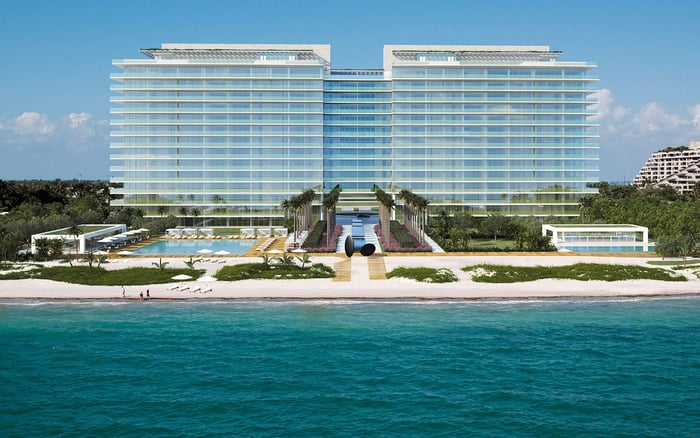
For family buyers, the decisive question is not simply whether a Key Biscayne residence feels effortless while occupied. It is whether staffing, authority, documentation, vendors, and storm lock-up procedures can protect that ease when the household is away.
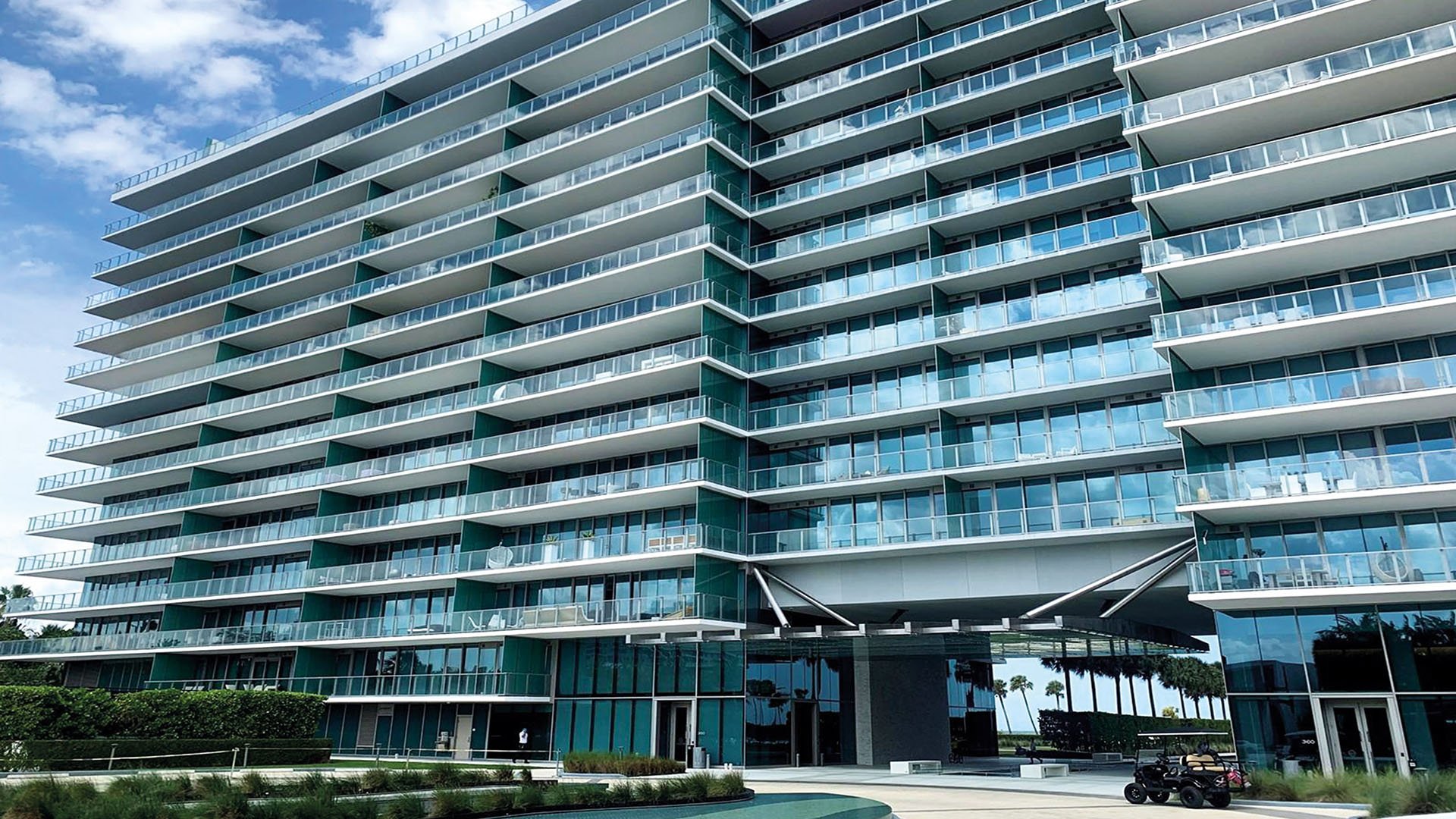
A Key Biscayne purchase should be evaluated not only as a residence but also as an operating environment. For a family dividing its time among cities, schools, travel, and holidays, the central question is simple: Who is responsible for the property when the owners are away?
Map the household’s likely occupancy month by month. Note extended absences, overlapping trips, periods when children or guests may arrive without the principals, and weeks when household staff may also be unavailable. This exercise distinguishes a genuinely low-friction home from one that merely appears effortless during a showing.
For a second-home buyer, seasonal use can make the management plan as consequential as the floor plan. Treat the operating model as part of acquisition diligence, with its own budget, interviews, documents, and approval chain.
Test three practical models: dedicated household staff, an external property manager supported by specialist vendors, or a hybrid of the two. The right choice depends on the family’s expectations for privacy, service, response time, and direct control-not on a generic notion of convenience.
A private residence may suit buyers who want bespoke routines and are comfortable assembling the necessary oversight. A managed condominium may appeal to those who prefer defined building procedures, although buyers should verify precisely where common-area responsibility ends and private-residence responsibility begins. When considering estates and single-family properties, determine whether the household is prepared to coordinate landscaping, pool care, mechanical servicing, security, deliveries, and post-event inspections as distinct workstreams.
Create a written responsibility matrix. Every recurring task should have a primary owner, backup contact, spending limit, and escalation route. If a role cannot be assigned clearly before closing, it is unlikely to become clearer during an urgent absence.
A credible storm lock-up plan is a sequence-not a promise that someone will “take care of everything.” Ask the responsible party to walk the property and describe, in order, what will be checked, moved, secured, photographed, reported, and revisited.
The audit should cover exterior objects, openings, water-sensitive interiors, vehicles, valuable contents, refrigeration, communications, access credentials, and any residence-specific systems. The purpose is not to assume that every property requires identical treatment. It is to identify what this particular home demands and whether those demands can be met within the family’s preferred staffing arrangement.
Request a pre-departure checklist for ordinary seasonal closure and a separate event-driven checklist. Each should identify who initiates the procedure, who confirms completion, and what evidence the owner receives. Photographs, timestamps, concise written notes, and an exceptions log can turn reassurance into accountability.
Even excellent vendors cannot act effectively without authority and access. Decide who may enter the residence, authorize urgent work, move valuables, engage additional labor, or approve expenses when the family cannot be reached. Review legal and insurance questions with the family’s qualified advisers.
Use a tiered communications protocol. Routine observations can be summarized. Material exceptions should be escalated promptly. Immediate risks require direct contact and a backup decision-maker. Avoid concentrating passwords, keys, alarm details, and financial authority with one person without appropriate controls.
Plan for staff continuity as well. Record vendor contacts, service histories, access instructions, shutoff locations, and household preferences in a secure property manual. The residence should remain operable even when the usual manager, assistant, or caretaker is temporarily unavailable.
Comparative shopping can sharpen the decision, even when Key Biscayne remains the preferred address. Review the operating documents and private-residence obligations associated with Oceana Key Biscayne, then apply the same questions to the alternatives.
For a broader waterfront comparison, buyers might evaluate The Ritz-Carlton Residences® Miami Beach, Park Grove Coconut Grove, and The Residences at Six Fisher Island. The objective is not to infer that any project offers a particular service. It is to ask each representative the same documented questions about access, owner absences, emergency protocols, private-unit work, vendor admission, communications, and restoration.
Consistency matters. A family can compare answers only when the interview is standardized. Lifestyle preferences may determine the neighborhood, but operational clarity should help determine the residence.
The staffing budget should extend beyond routine wages or management fees. Build scenarios for ordinary closure, urgent preparation, post-event inspection, specialized labor, storage, temporary accommodations, travel changes, and replacement coverage for key personnel. Obtain current proposals rather than relying on assumptions.
Price the family’s time as well. A home that requires frequent approvals, vendor coordination, and remote troubleshooting may carry a substantial personal burden, even if its direct costs appear manageable. Conversely, a more structured service model may be valuable only when its scope aligns with the private residence’s actual needs.
Before contract, request a sample annual operating calendar and draft a 72-hour activation exercise. Who makes the first call? Who attends the property? What happens if the preferred vendor is unavailable? Where will completion records be stored? Clear answers reveal whether the plan is executable.
The strongest purchase decision unites architecture, family rhythm, and operational discipline. Buyers should favor a home whose seasonal closure can be repeated, audited, and transferred from one responsible person to another without losing essential knowledge.
This is especially important when privacy expectations are high. The goal is not maximum staffing. It is the minimum reliable system that preserves the residence, respects the household, and gives the family an intelligible line of sight while away.
In Key Biscayne, the final comparison should therefore include four columns alongside price and design: staffing complexity, lock-up time, authority structure, and recovery coordination. A property that performs well across all four is more likely to support the calm ownership experience the family intends to buy.
When should a seasonal staffing plan be created? Begin during property diligence, then refine the plan before the family’s first extended absence.
Is a building manager the same as a private property manager? Not necessarily. Confirm in writing which responsibilities apply to common areas and which remain with the owner.
What belongs in a storm lock-up checklist? Include residence-specific preparation, access, documentation, communications, vendor assignments, and post-event review.
Who should authorize emergency spending? Name a primary decision-maker and a backup, then establish written spending thresholds reviewed with qualified advisers.
Should owners use one vendor for every task? Only if the arrangement suits the residence and includes credible backup coverage when personnel are unavailable.
How can a family verify that lock-up work was completed? Require dated photographs, a completed checklist, exception notes, and confirmation from the designated supervisor.
What should be tested before closing? Test the proposed chain of command, access process, vendor availability, reporting format, and estimated activation time.
How often should the property manual be updated? Review it whenever personnel, systems, vendors, access credentials, insurance instructions, or family preferences change.
Can a condominium eliminate seasonal ownership work? It may organize certain responsibilities, but buyers must verify the exact scope of building and private-unit services.
What is the best final comparison metric? Compare how reliably each residence can be secured, monitored, documented, and restored without the family onsite.
For a discreet conversation and a curated building-by-building shortlist, connect with MILLION.
If branded residences are on your mind — as a home or as an allocation — we would be glad to share what we are seeing, privately.
Begin a quiet conversation