A family-focused framework for testing whether a Hillsboro Beach home, dock, and boating routine fit together before purchase.
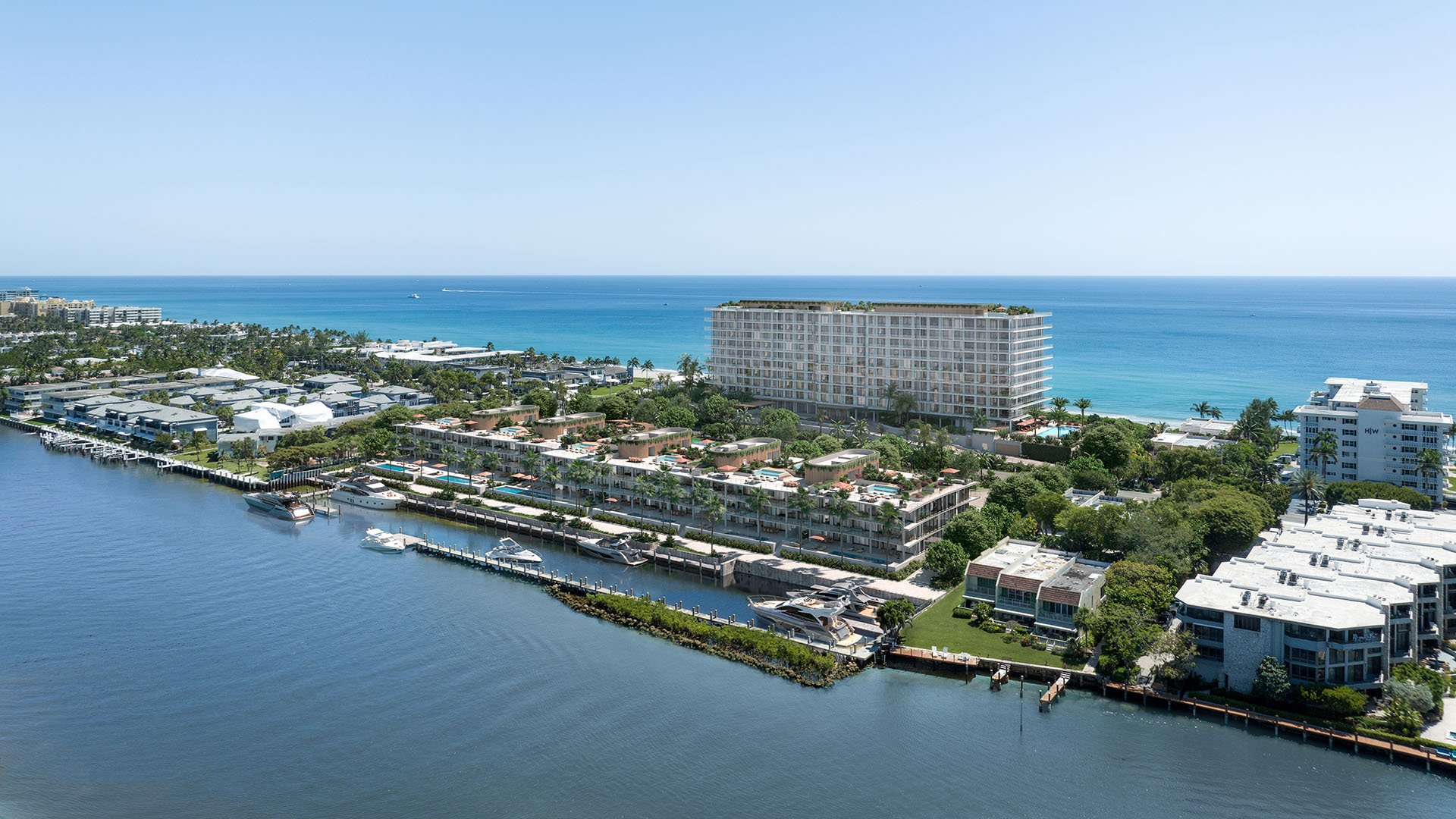
For a family buyer, waterfront value is not simply the presence of water outside the window. The more useful question is whether the residence supports how the household expects to move among home, boat, school, work, guests, and weekend plans. A beautiful setting can still create friction when dock access, vessel fit, parking, loading, or route constraints are treated as afterthoughts.
Begin by defining the intended boating pattern. Will departures be spontaneous or planned? Will children, older relatives, pets, provisions, and sports equipment regularly move through the property? Is the boat primarily for short outings, longer passages, or entertaining? These questions turn an abstract lifestyle preference into an operating brief.
The same discipline applies to both condominium and estate or single-family searches. A buyer considering Rosewood Residences Hillsboro Beach can use the project as one point in a broader comparison, but should assess any residence against the family’s specific vessel, route, staffing needs, and ownership documents rather than relying on the waterfront address alone.
Marina access and dockage are related, but they are not interchangeable. The first concerns how the household reaches and uses boating infrastructure. The second concerns the legal, physical, and operational basis on which a particular vessel may be kept there.
Ask the seller, association, marina operator, and relevant advisers to define the precise arrangement in writing. Is a boat slip attached to the residence, assigned separately, licensed, leased, wait-listed, shared, or subject to reassignment? What approvals apply to a replacement vessel? Can the right transfer with a resale? Are there separate costs, rules, insurance obligations, or use restrictions?
Families should also inspect the complete path from vehicle to vessel. Consider secure entry, cart movement, stairs, gates, lighting, weather exposure, fueling logistics, guest access, and the distance involved when carrying supplies. Convenience is cumulative: several minor inconveniences can materially affect how often a family uses the boat.
Evaluate a dock against the actual boat, not a generic description such as yacht-friendly. Assemble a vessel profile that includes overall length, beam, draft, height above the water, boarding configuration, shore-power needs, and any tenders or equipment that affect fit. If the family expects to change boats, test the likely next vessel as well.
Request plans, rules, surveys, permits, and maintenance records where applicable, then have qualified marine, legal, insurance, and property professionals review them. Confirm usable dimensions in the field and identify pilings, lifts, seawalls, neighboring boats, turning space, and boarding geometry. The central question is not merely whether the boat can occupy the space, but whether family members can use it comfortably and safely.
A broader Broward comparison can bring the family’s priorities into sharper focus. Armani Casa Residences Pompano Beach and The Ritz-Carlton Residences® Pompano Beach may belong in a buyer’s residential review, while the boating analysis remains specific to the vessel and documents for each property.
Bridge clearance should never be reduced to a single number heard during a showing. The family needs a route study from the proposed dock to each intended destination, identifying every bridge, channel, turning point, and operational constraint relevant to the vessel.
Ask a qualified captain or marine professional to test the boat’s maximum height against the route under the conditions the family expects to encounter. The review should account for fixed and operable bridges, posted information, water conditions, opening procedures, schedules, and a prudent safety margin. Written confirmation carries more value than an informal assurance.
Timing matters as much as geometry. Even when passage is possible, a route can prove impractical if departures require careful coordination. Model a school-day afternoon, an early weekend start, an evening return, and a trip with guests. A boating route that works on paper should also work with the household’s calendar.
For a comparison built around a different ownership proposition, buyers might also review St. Regis® Residences Bahia Mar Fort Lauderdale. The purpose is not to assume equivalence, but to clarify which combination of residence, boating access, services, and location deserves the greatest weight.
A disciplined scorecard prevents oceanfront beauty from overwhelming practical diligence. Assign separate ratings to residence quality, dockage certainty, physical vessel fit, route simplicity, bridge exposure, loading convenience, security, guest logistics, storm planning, ongoing cost, and flexibility for a future boat.
Then weight those factors. A family that boats several times a week may rank route simplicity above interior finishes. A household that uses the vessel occasionally may favor turnkey service and easier guest handling. There is no universal hierarchy, but the hierarchy should be explicit.
Finally, test downside scenarios before making an offer. Ask what happens if the boat changes, a dock rule is revised, insurance requirements evolve, repairs interrupt access, or the family chooses to lease or sell. Waterfront ownership is most satisfying when the decision preserves options rather than depending on a perfectly static plan.
The strongest process begins before urgency compresses judgment. Create a shared file for title materials, association documents, marina or dock agreements, permits, surveys, inspection findings, insurance indications, cost schedules, and route notes. Assign each open question to the appropriate adviser and require a clear written answer.
A marine inspection does not replace legal review, and legal review does not confirm physical fit. Likewise, a property inspection may not resolve seawall, dock, lift, or navigational questions. Family buyers should coordinate these workstreams so the home and boating plan are evaluated as a single acquisition.
The final decision should be easy to articulate: this residence suits the household, this dockage arrangement is understood, this vessel fits, and this route supports the intended routine. If any element remains conditional, price that uncertainty into the decision or continue the search.
Is waterfront frontage the same as usable dockage? No. Buyers should verify the legal right, physical suitability, approvals, and operating rules separately.
What vessel dimensions should a family document? Record overall length, beam, draft, maximum height, boarding needs, and required utilities.
Why does bridge clearance require professional review? Passage depends on the vessel, route, bridge type, conditions, procedures, and an appropriate safety margin.
Should buyers evaluate a future boat as well as the current one? Yes. Testing a realistic next vessel can reveal whether the property preserves useful flexibility.
What dock documents deserve review? Request the governing agreement, assignment terms, rules, costs, approvals, permits, surveys, and relevant maintenance records.
How should families assess loading convenience? Walk the complete route with children, guests, provisions, equipment, and mobility needs in mind.
Can a dock right automatically transfer on resale? Buyers should not assume so. Counsel should confirm transferability and any approval or reassignment process.
How can buyers compare different waterfront options? Use a weighted scorecard covering the residence, dockage certainty, vessel fit, route, service, cost, and flexibility.
Who should participate in the diligence process? Appropriate legal, marine, inspection, insurance, title, and property professionals should address their respective specialties.
What is the best final decision test? Confirm that the home, dockage rights, vessel dimensions, route, and family schedule work together without unresolved assumptions.
For a confidential assessment and a building-by-building shortlist, connect with MILLION.
If branded residences are on your mind — as a home or as an allocation — we would be glad to share what we are seeing, privately.
Begin a quiet conversation