A buyer-focused guide to the financing behind South Florida preconstruction, from bridge-loan maturities and construction funding to deposit provisions and the documents that help clarify completion risk.
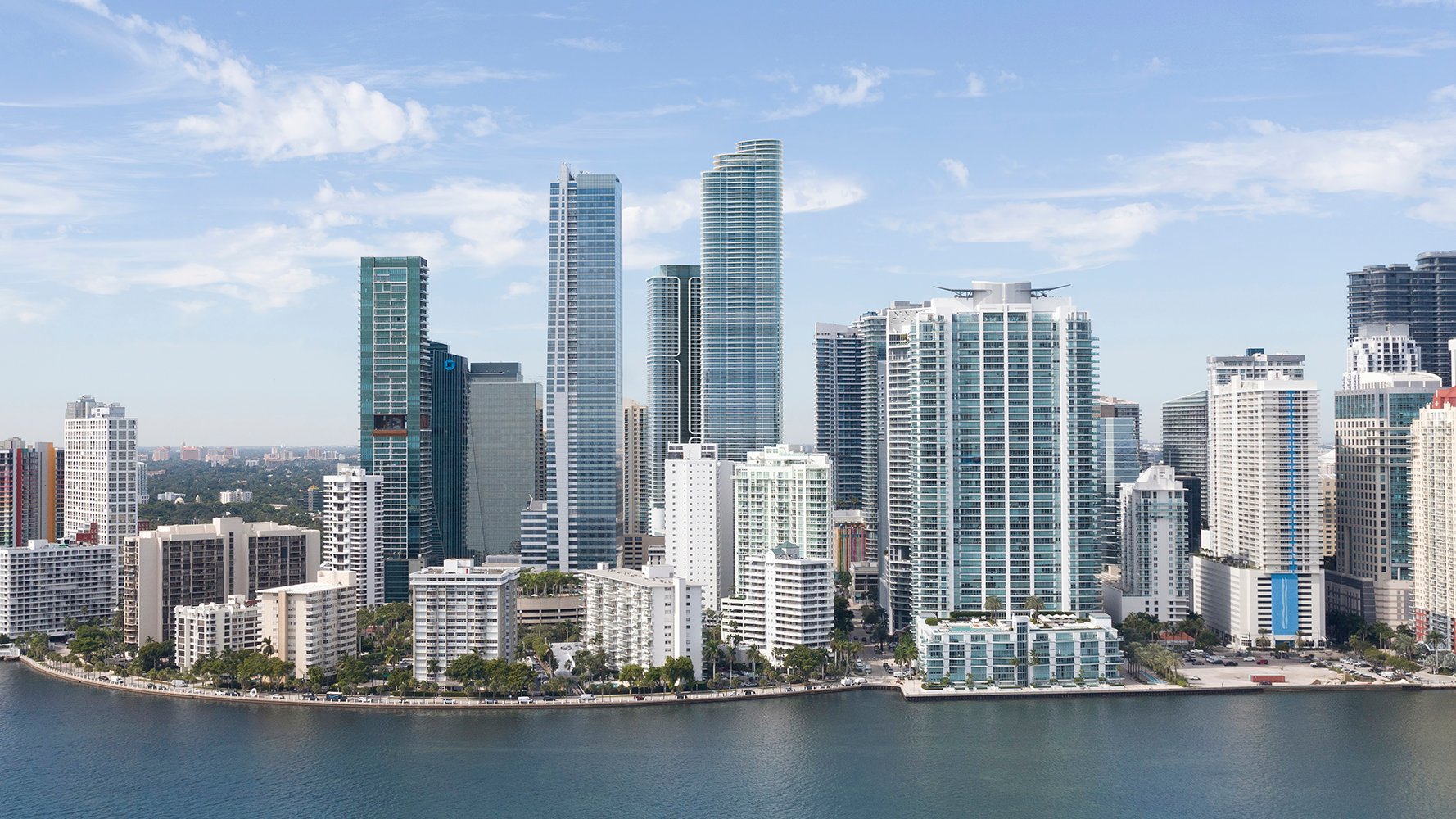
For a South Florida luxury buyer, the most consequential detail may never appear in a rendering: whether the developer’s financing can carry the project through completion. Architecture and location establish a residence’s appeal. Construction funding helps determine whether that vision becomes a finished home on the anticipated timetable.
The essential distinction is between money announced and money available. A substantial loan does not, by itself, establish how much remains undrawn, what conditions govern access to it, or whether the financing lasts long enough to finish.
A headline loan amount is not the same as money still available to finish construction.
Buyers should examine financing as carefully as finishes, without assuming that every delay signals failure. The goal is to understand how the project’s remaining obligations align with its available resources.
Bridge financing and construction financing serve different purposes. A bridge loan typically carries a development through entitlements or early work until the developer obtains construction financing or sells the site. It is an interim solution, not necessarily a funded path to delivery.
Ask whether a project still requires replacement financing, when existing debt matures, and what conditions must be met before an extension becomes available. The distinction between financing already secured and financing still anticipated is central to the review.
For a buyer considering Brickell options such as The Residences at 1428 Brickell, these are questions for the purchase review, not conclusions about that project’s financing. The useful comparison is not simply which residence has the strongest aesthetic appeal, but how clearly each opportunity’s funding position can be explained.
A construction schedule and a loan maturity date should be examined together. If work takes longer than anticipated, the developer may need more time from its lender as well as more money. When bridge debt matures before replacement financing is secured, a stalled project can continue accumulating interest.
Delay can increase financing pressure, while financing pressure can complicate the path forward. An extension provision deserves closer reading than a simple assurance that additional time is available. Buyers should ask about its conditions and whether the current completion schedule depends on exercising it.
The practical question is whether the financing can accommodate a credible construction timeline. A delivery estimate without a corresponding explanation of debt maturity leaves an important part of the risk assessment unanswered.
Buyers comparing Waldorf Astoria Residences Downtown Miami with other South Florida residences should assess each project independently. A financing concern at one development is not evidence of the same concern at another.
The same approach applies when considering The Residences at Mandarin Oriental Boca Raton. These project references identify residential options for independent diligence; they do not establish financing terms, construction status or completion risk at either development.
A refinancing announcement alone does not settle the completion question. Buyers still need to understand the relationship between the remaining construction milestones, available funding and debt obligations. Any assessment should distinguish documented terms from assumptions about what a lender or developer might do next.
Buyer deposits are not equivalent to unrestricted developer equity. Nor should buyers assume that every dollar paid remains untouched until closing. Availability for project spending depends on statutory requirements and the contract.
Have Florida real-estate counsel review the deposit provisions, escrow arrangements, permitted uses and applicable exceptions. Ask which payments must remain in escrow, whether any withdrawals are authorized, and what conditions govern those withdrawals.
Deposit treatment and completion funding are related but distinct questions: knowing where your payment is held does not establish that the project has sufficient resources to finish. Likewise, a construction loan announcement does not explain how your deposits are protected.
The review should address the particular property and purchase agreement. Condominium deposit requirements should not be generalized to every type of preconstruction property.
The most useful diligence replaces broad assurances with specific questions. Request the loan maturity date and extension conditions, then compare them with the latest construction schedule. Ask whether completion depends on refinancing that has not yet been secured.
Next, request the undrawn loan commitment and the conditions for accessing it. Compare available funding with a current cost-to-complete budget, not the original project budget. Ask how much contingency remains and what interest reserve is available to support the remaining schedule.
Finally, request information about any completion guaranty, including its scope and who stands behind it. Counsel should assess what it actually promises rather than treating the word “guaranty” as sufficient reassurance. These requests provide a framework for evaluating a purchase, not verified statements about the arrangements at a named development.
The strongest buyer position is neither unquestioning confidence nor reflexive suspicion. It is a clear understanding of what has been funded, what remains conditional, and how the financing timetable relates to the work still required.
A compelling residence can merit serious consideration while its financing deserves equally serious scrutiny. Before committing, seek a coherent explanation connecting available capital, remaining costs, loan maturity and contractual deposit treatment. That is a more useful foundation for confidence than the size of a financing announcement alone.
For a considered approach to South Florida’s luxury residential opportunities, explore MILLION.
If branded residences are on your mind — as a home or as an allocation — we would be glad to share what we are seeing, privately.
Begin a quiet conversationFinancing must support both the remaining construction costs and the time required to finish. Maturing debt or conditional replacement funding can create pressure when construction is delayed.
Bridge financing typically supports entitlements or early work until the developer obtains construction financing or sells the site. It does not necessarily provide funding through delivery.
Ask what conditions must be satisfied and whether the current construction schedule depends on obtaining the extension. An extension provision should not be treated as unconditional additional time.
No. The announced amount does not establish the undrawn balance, access conditions or whether available funding covers the current cost to complete.
A loan may mature before construction finishes. Buyers should compare the maturity date and extension conditions with the latest construction schedule.
Request the undrawn commitment, interest reserve, current cost-to-complete budget and contingency. Also ask about loan maturity, extension conditions and any completion guaranty.
Counsel should review escrow arrangements, permitted uses, withdrawal conditions and applicable exceptions. The review should address the specific purchase agreement and property type.
No. Knowing where deposits are held does not establish that the project has sufficient resources to complete construction.
Not by itself. Buyers still need to compare the remaining construction milestones and costs with available funding and debt obligations.
Ask about its scope and who stands behind it. Have counsel assess what it actually promises rather than relying on the label alone.