A discreet buyer’s guide to evaluating South Flagler residences through service execution, staffing discipline, building governance, and long-term daily livability rather than social visibility.
South Flagler has become one of West Palm Beach’s most closely watched luxury corridors, but buyers should not confuse attention with execution. A residence may photograph beautifully, host elegant previews, and carry a persuasive lifestyle narrative. The daily experience of ownership, however, is shaped by something quieter: whether the building performs with discipline every single day.
For a buyer evaluating South Flagler, service precision is not a decorative extra. It is the difference between a building that remains composed under pressure and one that relies on charm to mask operational gaps. Social buzz can introduce a property, but it cannot retrieve a guest vehicle smoothly, manage deliveries without friction, coordinate vendors discreetly, or resolve a maintenance issue before it becomes a resident concern.
This is one of MILLION’s Buyer’s Guides for clients who already understand design, views, and location, and now want to evaluate the less visible layer of value. In the ultra-premium market, the most sophisticated building is often the one that makes life feel effortless without announcing how hard it is working.
Every luxury building has an amenity narrative. The sharper question is how that narrative becomes a sequence of daily movements. Who greets residents? How is access handled? Where do guests wait? How are private appointments, packages, housekeeping, pet routines, and dining requests coordinated? A polished presentation may describe a lifestyle, but service precision reveals whether that lifestyle has been engineered.
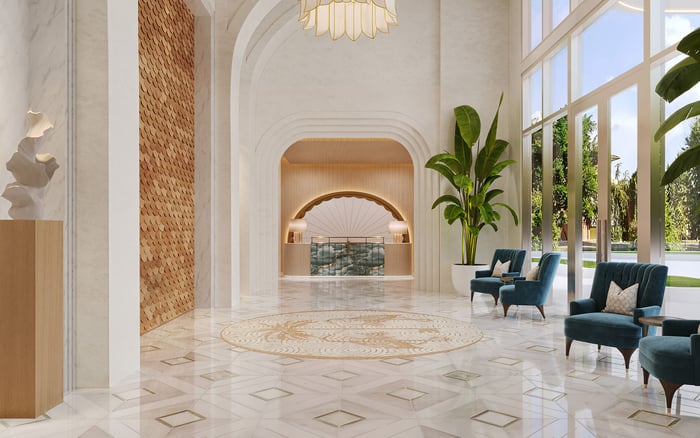
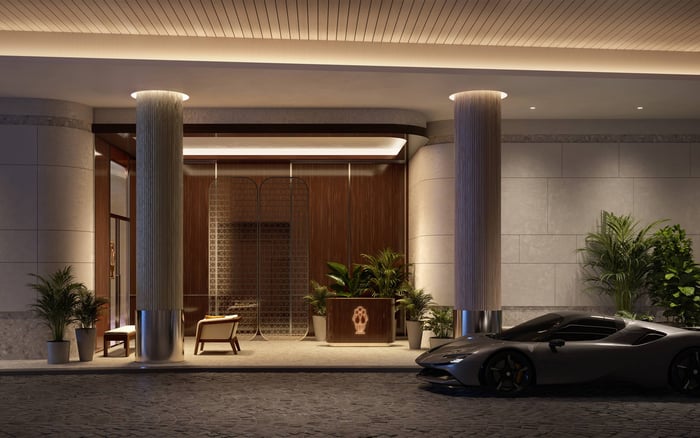
When touring a South Flagler residence, slow down at the points most buyers rush past. Watch the arrival sequence. Notice whether the lobby feels calm or performative. Ask how many handoffs occur between valet, front desk, management, and residence access. In a well-run building, those moments should feel intuitive rather than improvised.
A project such as South Flagler House West Palm Beach should be evaluated not only for its architectural presence, but also for how its private residential experience is intended to operate once residents move from purchase excitement into routine ownership. That is where the true test begins.
The best time to examine service is before the purchase has become emotionally inevitable. Once a buyer is attached to a floor plan, view line, or design language, vague answers about staffing, governance, or resident policies become easier to excuse. A disciplined buyer asks operational questions early.
Begin with staffing philosophy. Is the service model designed around hospitality, property management, or a hybrid of both? How are resident requests tracked? What happens when multiple owners need attention at the same time? Are protocols written, trained, and reviewed, or are they dependent on individual personalities? In luxury real estate, a charming concierge is valuable. A resilient system is more valuable.
Then move to resident rules. Precision often lives in the details: delivery windows, elevator reservations, guest access, service provider registration, pet movement, event policies, and noise management. None of these subjects are glamorous, but they determine whether privacy and calm survive once the building is occupied.
Buyers comparing options such as Maison D'Or South Flagler should treat the service conversation as seriously as the finishes conversation. Stone, glass, and millwork create the first impression. Operating standards protect the experience over time.
A refined brand atmosphere can be powerful, especially when it brings design intelligence, dining culture, wellness language, or hospitality cues into the residential setting. But a buyer should distinguish between atmosphere and accountability. A brand can set expectations; building governance must sustain them.
Ask who is responsible when something goes wrong. Is there a clear escalation path? How are recurring issues documented? How are residents informed without being overwhelmed? What is the relationship between the management team, association structure, and third-party service providers? The more expensive the residence, the less tolerance there should be for ambiguity.
This is especially important in lifestyle-driven buildings where the promise may include wellness, entertaining, privacy, and social ease. Lifestyle has value only when logistics support it. A private dining room that is difficult to reserve, a wellness space that is poorly maintained, or a lobby that becomes congested at peak hours can quickly turn an amenity into a frustration.
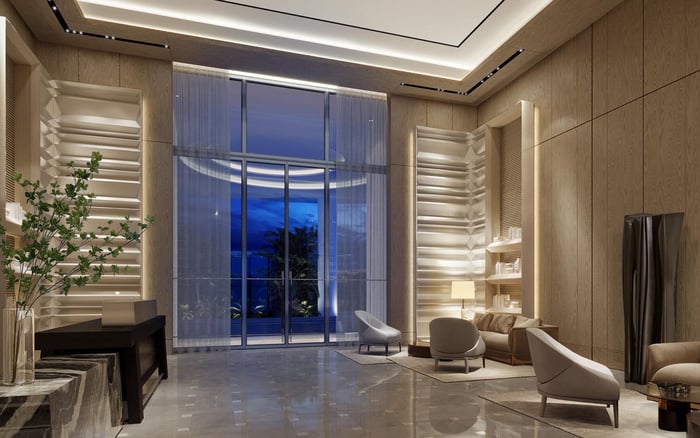
Sales galleries and renderings are designed to seduce. Quiet spaces reveal more. Corridors, loading areas, service elevators, package rooms, parking transitions, and back-of-house planning often say more about long-term livability than a dramatic amenity image.
A buyer should ask how the building separates resident, guest, staff, and vendor movement. The answer matters because high-end living depends on privacy, timing, and discretion. When those flows are poorly considered, residents feel it in small interruptions: crowded elevators, uncertain arrivals, visible service traffic, and avoidable delays.
Along Flagler Drive, where buyers often seek a composed residential setting close to the energy of West Palm Beach, this becomes especially relevant. A residence should not require constant negotiation with its own operations. The building should anticipate friction and remove it before the owner has to ask.
For example, a buyer reviewing Forté on Flagler West Palm Beach may want to look beyond the headline appeal and examine arrival, staffing, and service-path logic with the same care typically reserved for interiors.
Social velocity can distort judgment. A building that dominates conversation is not automatically the building that will best fit a private owner’s life. Conversely, a quieter project may offer the operational discipline a buyer truly wants. The key is to compare projects by service culture.
Service culture can be sensed through language. Does the team speak in generalities, or can they describe how requests are handled? Do they understand the needs of seasonal owners, full-time residents, guests, family offices, and household staff? Can they explain how privacy is preserved during busy periods? Precision shows itself through calm specificity.
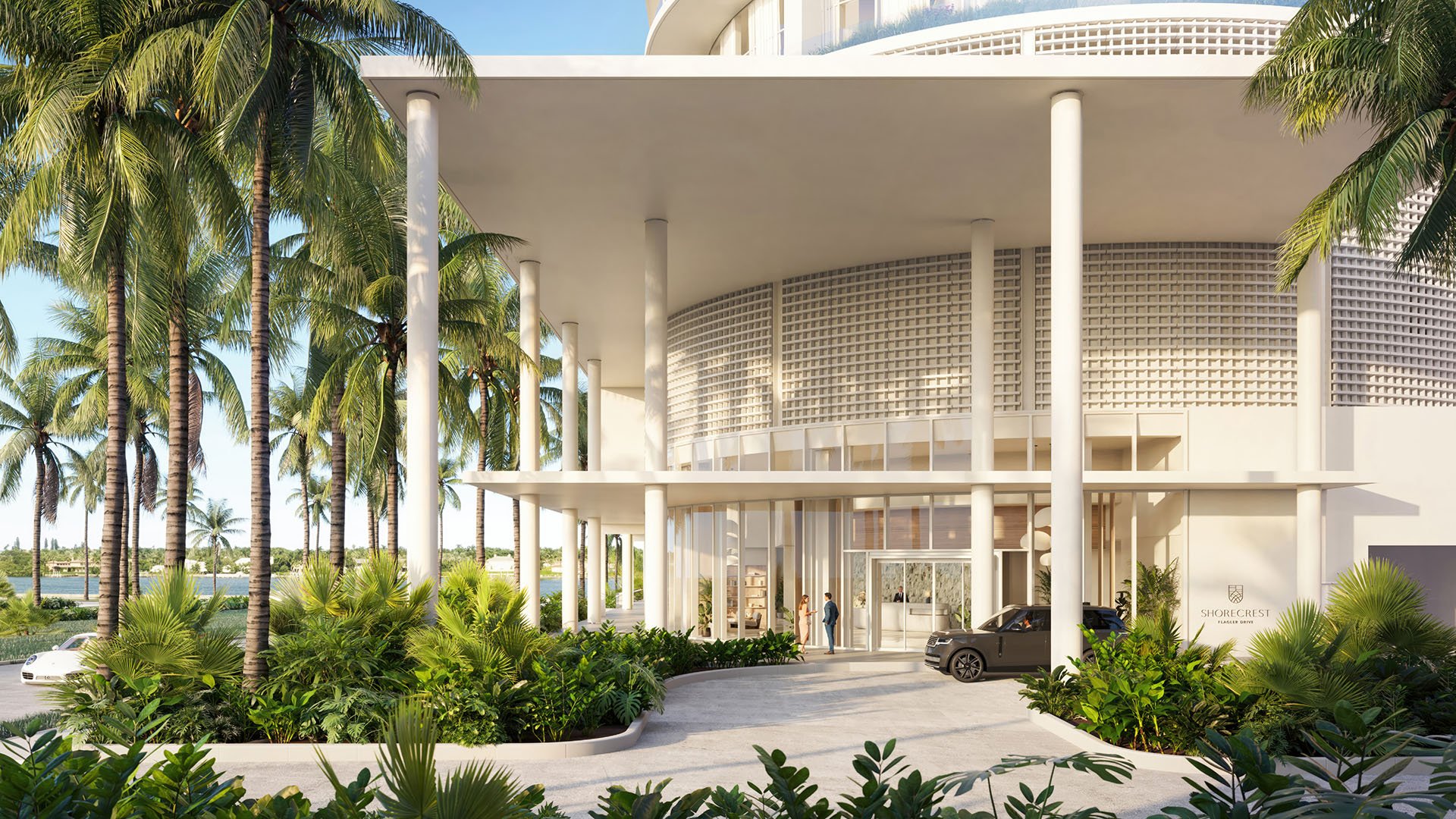
When considering Shorecrest Flagler Drive West Palm Beach, the buyer’s focus should include how the building positions itself for everyday ease, not simply how it appears in the market conversation. The same principle applies across West Palm Beach: attention may fade, but the quality of management remains part of the ownership experience.
A practical approach is to create a simple service scorecard. Rate arrival, communication, maintenance response, vendor coordination, guest handling, privacy, amenity access, and governance clarity. The exercise forces comparison to move from mood to evidence.
Not every high-service building serves every buyer equally well. A lock-and-leave owner may value security, access control, and proactive maintenance. A full-time resident may prioritize quiet routines, predictable staffing, and resident culture. A buyer who entertains may care about guest flow and event policies. A family office may need reliable coordination and confidentiality.
This is why service precision is personal. The right building is not simply the most visible or most amenity-rich; it is the one whose operating style matches the way the owner actually lives. Ask yourself where friction currently appears in your daily life. Then ask whether the building is designed to absorb that friction or amplify it.
Projects outside the immediate South Flagler frame can also sharpen a buyer’s eye. Looking at Alba West Palm Beach, for instance, gives a buyer another West Palm Beach reference point for thinking about how residence design, amenity programming, and service expectations intersect. The purpose is not to chase the loudest name, but to recognize the operating language that suits you.
Before signing, request the materials that reveal how the building will function after the launch period. Review rules, management structure, fee logic, staffing assumptions, and amenity policies. Ask direct questions and listen for practical answers. If the response is mostly aesthetic, keep pressing.
The most elegant South Flagler purchase is not merely the one that photographs well at sunset. It is the residence that feels calm on a Monday morning, during season, when guests arrive, when vendors need access, and when the owner wants the home to function without performance. In that sense, service precision is not a luxury add-on. It is the architecture of ease.
What does service precision mean in a South Flagler purchase? It means the building has clear, repeatable systems for arrivals, requests, vendors, amenities, privacy, and resident communication.
Why should buyers look beyond social buzz? Social buzz can create urgency, but it does not prove that a building will operate gracefully once residents are living there.
What should I ask during a sales presentation? Ask how service requests are tracked, how staffing is structured, and how guest, vendor, and resident flows are managed.
Are amenities less important than service? Amenities matter, but their value depends on access, maintenance, scheduling, and the professionalism of the team behind them.
How can I judge service before a building is complete? Study the proposed operating structure, governance documents, management approach, and the specificity of the answers you receive.
Should seasonal owners evaluate service differently? Yes. Seasonal owners should focus on access control, residence checks, delivery handling, maintenance coordination, and communication while away.
Does a branded residence guarantee better service? Not automatically. Branding can establish a tone, but the building’s management, staffing, and governance determine daily execution.
What is a warning sign during due diligence? Vague answers about staffing, resident rules, escalation procedures, or vendor access suggest the service model needs closer review.
How should I compare multiple West Palm Beach projects? Use the same service scorecard for each building so the comparison is based on daily function rather than presentation style.
When should service questions be raised? Raise them early, before emotional momentum narrows your leverage and before contract discussions become the center of attention.
For a discreet conversation and a curated building-by-building shortlist, connect with MILLION.
If branded residences are on your mind — as a home or as an allocation — we would be glad to share what we are seeing, privately.
Begin a quiet conversation