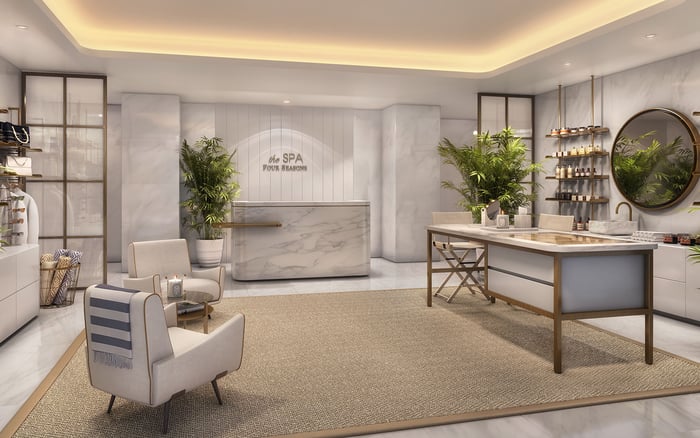
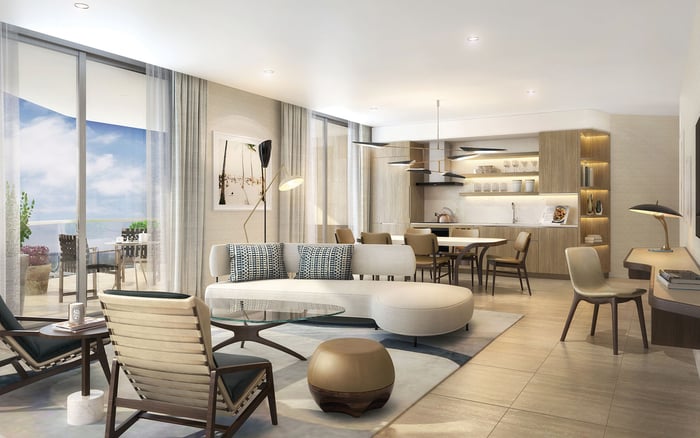
A buyer-focused guide to assessing discreet residential security in Fort Lauderdale luxury real estate, from arrival choreography and staff culture to access control, privacy, waterfront exposure, and resale confidence.
In Fort Lauderdale, the most desirable residential security rarely announces itself. For affluent buyers, the question is not simply whether a building or estate feels protected. It is whether protection has been absorbed into the architecture, staffing, technology, and daily rhythm so naturally that life remains gracious.
Theatrical security can create the wrong emotional temperature. Oversized gates, conspicuous cameras, aggressive desk posture, and awkward entry protocols often signal anxiety rather than confidence. Discreet security does the opposite. It creates order without friction, privacy without coldness, and access control without making residents feel processed.
For buyers comparing Fort Lauderdale Beach, Las Olas, and waterfront settings across Broward, the security conversation should begin before contract, not during a final walk-through. The right questions reveal how a property will feel at 7 a.m. when a trainer arrives, at 9 p.m. when guests come for dinner, during seasonal occupancy shifts, and on days when service providers, deliveries, valet, marine access, and residents all overlap.
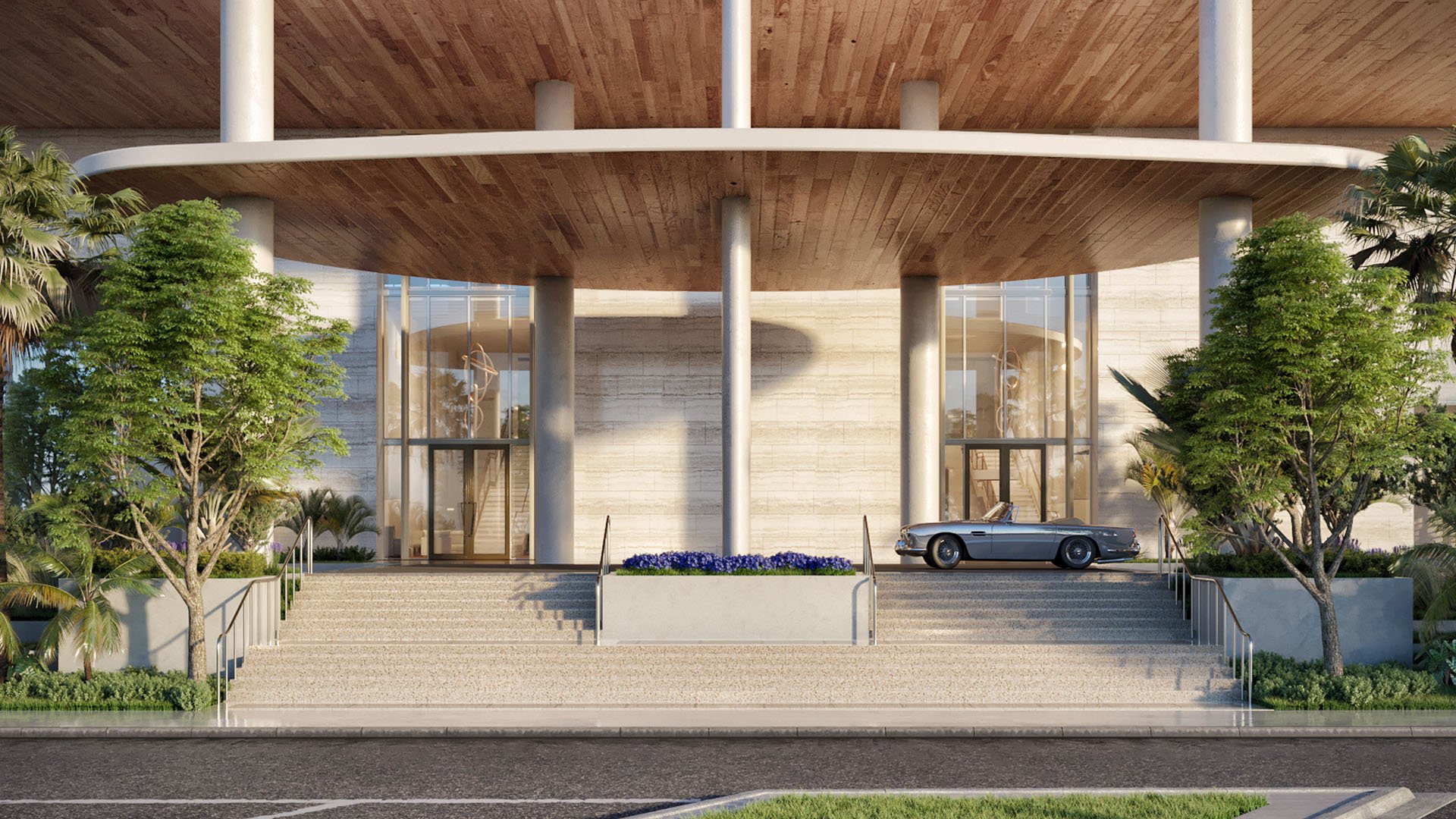
The first security clue is the arrival sequence. A secure luxury property should move logically from public realm to private space. That may include landscape buffering, controlled vehicle flow, a staffed entry, clear sightlines, and a lobby or reception experience that feels composed rather than defensive.
When visiting a condominium such as Four Seasons Hotel & Private Residences Fort Lauderdale, a buyer should pay attention to choreography: where cars pause, how names are confirmed, whether guests are greeted with hospitality, and whether residents are shielded from unnecessary public exposure. In a refined building, security is not a checkpoint alone. It is a sequence.
Ask whether the entry feels intuitive. Are visitors guided without confusion? Is there a clear distinction between resident, guest, valet, delivery, and service circulation? If everyone uses the same doors, elevators, corridors, or loading patterns, privacy can erode even when the property appears well staffed.
Technology matters, but staff culture often determines whether security feels luxurious or clumsy. A highly trained team can identify residents, anticipate guest arrival, protect privacy, and de-escalate confusion without creating tension. Poorly trained staff can make even an expensive system feel improvised.
During a tour, observe tone. Are residents addressed discreetly? Are conversations kept private? Does the front desk speak loudly across the lobby, or does the team handle identity and access with quiet professionalism? Does the property have the calm of a private club, or the pressure of a venue managing crowds?
This is especially important for buyers who entertain, travel frequently, or maintain a second-home lifestyle. Security should not become a performance every time a guest arrives. It should support the resident’s social life while preserving clear boundaries.
A sophisticated security plan relies on layers. The best systems do not depend on a single gate, camera, or front desk. They combine physical design, staffing, elevator control, residence-level access, package protocols, parking management, service routing, and digital permissions.
For buyers considering Riva Residenze Fort Lauderdale or similar boutique-scale residences, the question is how the building manages intimacy. Smaller properties can feel private, but they still need discipline around guest access, delivery handling, marina or water adjacency where relevant, and after-hours procedures.
Ask how access is granted and revoked. Can temporary permissions be created for household staff or guests? Are logs maintained in a way that respects resident privacy? Are elevators controlled by floor or by residence? What happens when a contractor arrives unannounced? The answers reveal whether the system is truly residential, or merely decorative.
Many buyers confuse privacy with separation. True luxury privacy is not isolation from the city. It is control over visibility, information, and movement. A residence can be social, walkable, and connected while still maintaining a protected private life.
In Las Olas and other urban-adjacent settings, buyers should evaluate how a building filters public energy. A home near restaurants, marinas, cultural life, or shopping can be highly livable if the building manages access well. The concern is not activity itself. The concern is unmanaged permeability.
At Sixth & Rio Fort Lauderdale, as with any urban luxury purchase, buyers should study how the transition from street to residence is handled. A graceful lobby, controlled elevator journey, and thoughtful guest protocol can make a connected address feel private rather than exposed.
Waterfront living introduces a different privacy equation. The view is the asset, but openness can also create visibility from neighboring properties, docks, passing boats, service areas, or amenity decks. The best waterfront security does not interrupt the romance of the setting. It uses landscape, lighting, glass, elevation, access planning, and staff protocol to preserve both openness and discretion.
Buyers should walk the property at different times of day if possible. Morning light may reveal sightlines that an evening showing conceals. A beautiful terrace may feel private from one angle and exposed from another. Pool decks, fitness terraces, porte cocheres, and marina edges should be reviewed not only for beauty, but for how people move through and around them.
At a waterfront-branded destination such as St. Regis® Residences Bahia Mar Fort Lauderdale, a buyer’s security review should include the relationship between amenity life, guest arrival, public-facing energy, and residential retreat. The finest properties make those worlds coexist without allowing them to collapse into one another.
Visible security sometimes exists because the underlying design is weak. If a property relies on signage, guards in awkward positions, exposed cameras, barriers, or repeated verbal instructions, the architecture may not be doing enough of the work.
Good design naturally directs behavior. It clarifies where people should go. It limits accidental wandering. It gives staff strong visibility without making residents feel watched. It separates service flow from social flow. It places package rooms, loading zones, valet stations, elevators, and amenity entries where they reduce conflict.
For buyers, this is one of the most overlooked distinctions: a property can look secure in a photograph and still feel porous in daily use. Conversely, a property can look serene while operating with serious discipline behind the scenes.
Before committing, ask for a practical explanation of daily procedures. How are guests registered? How are household employees handled? What is the protocol for deliveries, contractors, florists, caterers, drivers, and private chefs? How are short-notice arrivals managed? Who has access to residence floors? How are amenity guests controlled?
Also ask about governance. In a condominium, rules matter. A beautifully designed building can lose privacy if policies are vague or inconsistently enforced. Review whether the culture of the property aligns with your lifestyle. A buyer who hosts regularly needs flexibility, but not chaos. A buyer who values quiet anonymity needs a building that treats discretion as a standard, not a favor.
For a branded coastal residence such as The Ritz-Carlton Residences® Fort Lauderdale, the evaluation should include both service polish and residential boundaries. Hospitality can elevate daily life, but ownership privacy should remain distinct from hotel-like bustle.
Security is not only a personal comfort issue. It influences how a property feels to future buyers. The most resilient luxury residences tend to offer calm confidence: arrivals are elegant, staff are composed, systems are modern, and privacy feels embedded.
A theatrical approach can age quickly. Hardware changes, technology evolves, and visible measures can become visually dated. Discreet systems are easier to upgrade because they are supported by good planning. They also appeal to a broader luxury audience, from families and executives to seasonal residents and international buyers who expect privacy without drama.
In Fort Lauderdale, where boating culture, beach life, urban dining, and private residential enclaves intersect, the strongest purchases are those where security serves lifestyle rather than dominates it. The goal is not to buy a fortress. The goal is to buy ease, continuity, and control.
What does discreet security mean in a luxury Fort Lauderdale residence? It means protection is integrated into design, staffing, technology, and access flow without making the home feel guarded or theatrical.
Should buyers prioritize a gated entry? A gate can be useful, but it is only one layer. Buyers should evaluate the complete sequence from arrival to residence door.
How can I tell if a building’s staff culture supports privacy? Watch how staff greet residents, confirm guests, handle conversations, and manage unexpected arrivals during a real tour.
Is visible security always a warning sign? Not always, but excessive visibility can suggest that planning, circulation, or access control is not doing enough quietly.
What matters most in a waterfront setting? Buyers should study sightlines, dock or marina adjacency, terrace exposure, lighting, landscape, and guest circulation.
Are boutique buildings more private than large buildings? They can be, but privacy depends on procedures, staffing, elevator control, service access, and resident culture.
What should second-home buyers ask about? They should ask how the property handles guests, household staff, deliveries, maintenance access, and extended owner absences.
How does security affect resale? A calm, well-run security environment can strengthen buyer confidence and make a residence feel more enduring.
Should technology be the deciding factor? Technology matters, but it should support a layered plan that also includes design, staff training, and governance.
When should security be evaluated in the purchase process? It should be evaluated before contract, while there is still time to compare procedures, rules, and daily livability.
When you're ready to tour or underwrite the options, connect with MILLION.
If branded residences are on your mind — as a home or as an allocation — we would be glad to share what we are seeing, privately.
Begin a quiet conversation