A discreet due-diligence guide for Palm Beach buyers weighing elite private-school access, admissions timing, commute burden, grade progression, and long-term residential fit.

For a Palm Beach buyer with school-age children, elite private-school access is not a soft lifestyle preference. It is part of the architecture of daily life. A beautiful residence can lose its ease if the school commute is punishing, the admissions calendar is misread, or the family’s long-term grade path becomes fragmented after closing.
The most sophisticated buyers treat the private-school question with the same seriousness they bring to waterfront exposure, building quality, privacy, and service. That means evaluating the residence, the school plan, the timing of the move, and the family’s next five to ten years together, rather than isolating any one variable.
In Palm Beach, the conversation often begins with proximity, but it should not end there. A family may be weighing multiple private-school possibilities across Palm Beach County and nearby South Florida nodes. Each choice can imply a different morning rhythm, afternoon routine, social geography, and resale narrative.
The first mistake is touring property before understanding the school calendar. Admissions timing can affect the best closing date, the need for a transitional rental, and whether a family should prioritize immediate occupancy or a residence that better fits the long-term plan.
A buyer should ask practical questions early. Is the family applying for the next academic year or seeking mid-cycle entry? Are multiple children entering at different grade levels? Is one child approaching a key transition year? Does the household need to be settled before school begins, or can the move happen in stages?
This is where discretion matters. A family does not need to discuss admissions strategy broadly in the market, but the real estate team should understand the timing pressure. If a contract, inspection period, renovation plan, or association approval will collide with school deadlines, the property may be less suitable than it appears.
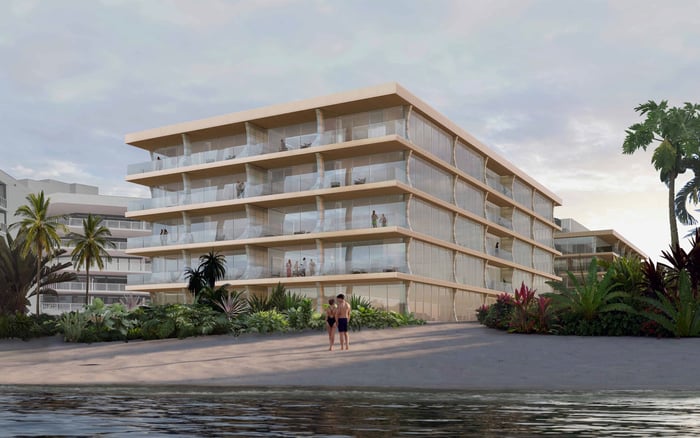
For buyers who want a West Palm Beach base with a Palm Beach orientation, residences such as Alba West Palm Beach can enter the conversation because the school plan and daily mobility plan can be evaluated together. The residence is only one part of the equation. The calendar around it is equally important.
In luxury real estate, buyers often measure inconvenience in minutes, but school travel should be measured in repetition. A commute that feels reasonable once can become a source of strain when repeated twice a day, five days a week, across sports, tutoring, rehearsals, playdates, and sibling pickup conflicts.
The right test is simple: drive the route when the family would actually drive it. A quiet late-morning or weekend preview is not enough. Buyers should test the school-hour route from the driveway or lobby, observe pickup and drop-off flow, and consider who will do the driving when schedules overlap.
The decision is not only about distance. It is about friction. Can a parent return home quickly after drop-off? Can a caregiver manage multiple campuses? Is there a realistic after-school plan? Is the route comfortable during seasonal traffic and event-heavy periods? These questions are especially important for families balancing Palm Beach, West Palm Beach, Palm Beach Gardens, Boca Raton, and other South Florida nodes.
A residence such as Forté on Flagler West Palm Beach may appeal to a buyer seeking a refined waterfront lifestyle, but the practical test remains the same: does the daily school pattern support the life the family intends to live?
A private-school decision can look ideal for one child in one year and become complicated as the family evolves. Buyers should model grade progression before purchasing. Where will each child be in two years, five years, and at the next major transition? Will siblings likely remain on one campus, or will the family be managing different schools across the region?
This long-range view is particularly important for buyers relocating to Palm Beach from markets where school admissions, neighborhood geography, and social calendars operate differently. The local property decision should reflect how the family expects to grow into the region, not simply how it will arrive.
Grade progression also affects the correct property type. A young family may prize a house with play space and staff flexibility. A family with older children may prioritize privacy, secure access, parking ease, and proximity to extracurricular commitments. Empty-nester timing can also matter if the purchase is intended to become a second home later, after school years conclude.
For buyers widening the search north, The Ritz-Carlton Residences® Palm Beach Gardens can be evaluated through the lens of longer regional movement. For buyers considering a southern academic and lifestyle axis, The Residences at Mandarin Oriental Boca Raton may prompt a different set of commute and grade-planning questions.
Elite school access can influence future buyer demand, but it should not be reduced to a resale slogan. The real value is the combination of residential quality and family usability. A trophy residence that complicates school life may be less desirable to the next family buyer than a less dramatic property with smoother daily function.
A strong purchase file should include the school plan, likely commute routes, grade timeline, renovation or move-in timing, and contingency options. If a family is choosing between an island address, a West Palm Beach condominium, a Palm Beach Gardens residence, or a Boca Raton alternative, the comparison should be made in lived terms, not only in price-per-square-foot terms.
A Palm Beach search with a private-school priority is best understood as a layered exercise in fit. The buyer is not simply acquiring a residence. The buyer is selecting a daily operating system for the family.
New construction can add another layer. Delivery timing, interim housing, and the school start date must align carefully. A polished building may be worth waiting for, but only if the family has a credible bridge plan. Conversely, an immediate-occupancy property may deserve a premium if it reduces transition stress at a critical school moment.
Before submitting an offer, buyers should pressure-test the property with a school-focused checklist. Which schools are realistic targets for each child? What is the application timing? Which commute routes work in the morning and afternoon? How will after-school obligations be handled? What happens if siblings attend different schools?
The strongest buyers also plan for privacy. They avoid over-sharing family admissions details while still giving their advisory team enough context to structure the search. The goal is to protect both the family’s leverage and its daily comfort.
Finally, buyers should be willing to walk away from a residence that is aesthetically perfect but operationally wrong. In Palm Beach, true luxury is not merely the view, the finish, or the name on the building. It is the quiet confidence that the home supports the family’s most important routines.
Should Palm Beach buyers choose a home before applying to private schools? Ideally, buyers should evaluate both tracks together. The school calendar can affect closing timing, occupancy needs, and the practical suitability of a property.
Is proximity to a private school always the deciding factor? No. A slightly longer but smoother commute can be preferable to a shorter route with daily friction and scheduling conflicts.
How should buyers think about school options across South Florida? They should compare the school plan with the residence, commute pattern, family schedule, and long-term grade path rather than relying on reputation alone.
How should buyers test a school commute? They should drive the route at real drop-off and pickup times. Weekend or midday tests can create a misleading sense of ease.
Why does grade progression matter in a home purchase? A property that works for early grades may not work as children move into middle or upper school. Planning ahead can prevent another disruptive move.
Should sibling admissions affect the property search? Yes. Multiple children can create different campus, timing, and commute demands that should be considered before an offer is made.
Can a condominium work for a school-focused Palm Beach family? Yes, if the building supports the family’s daily rhythm. Parking, access, privacy, and commute flow matter as much as interior design.
How does new construction affect school planning? Timing is critical. Buyers should align delivery, temporary housing, and school start dates before relying on a new residence.
Can school access influence resale? It can support appeal among family buyers, but only when the residence also offers strong livability, privacy, and daily convenience.
What is the most important question before purchasing? Ask whether the home makes the family’s weekday life easier. If the answer is no, even a beautiful property may be the wrong fit.
If you'd like a private walkthrough and a curated shortlist, connect with MILLION.
If branded residences are on your mind — as a home or as an allocation — we would be glad to share what we are seeing, privately.
Begin a quiet conversation