A discreet buyer’s guide to evaluating privacy in Boca Raton luxury residences, from arrival choreography and sightlines to staffing, guest access, outdoor living, and long-term discretion.
In Boca Raton, privacy is often discussed as if it were a finish, a gate, or a generous setback. For serious buyers, it is better understood as a sequence of conditions. Who can see you arrive? Who knows when guests are in residence? How much of the pool, terrace, primary suite, service entry, or dockside routine is visible from neighboring properties, common areas, passing vehicles, or staff corridors?
The most effective search begins with a written privacy brief. Separate emotional privacy from operational privacy. Emotional privacy is the feeling of being unseen and unhurried. Operational privacy is the system that protects schedules, vendors, household staff, children, vehicles, visitors, deliveries, and digital access. A residence may feel serene during a showing and still be porous in daily life.
For a buyer comparing single-family homes with condominium or branded-residence living, the central question is not which format is more private in the abstract. It is which format best controls the specific exposures that matter to the household.
The arrival sequence is where privacy either begins or fails. Visit at different times of day. Sit in the driveway, porte cochere, lobby, garage, valet lane, or service approach long enough to understand how the property behaves when it is not being staged. Notice whether an arriving guest becomes a spectacle, whether vehicles stack in visible places, and whether staff or neighbors can infer patterns from routine movements.
In private estates, study the transition from public street to secured threshold. A gated-community entry may create a first layer of separation, but the real test begins after the gate. Are there long sightlines from the street to the motor court? Is the front door exposed? Can delivery vehicles approach without crossing family zones? Can a guest enter elegantly without moving through the most intimate parts of the property?
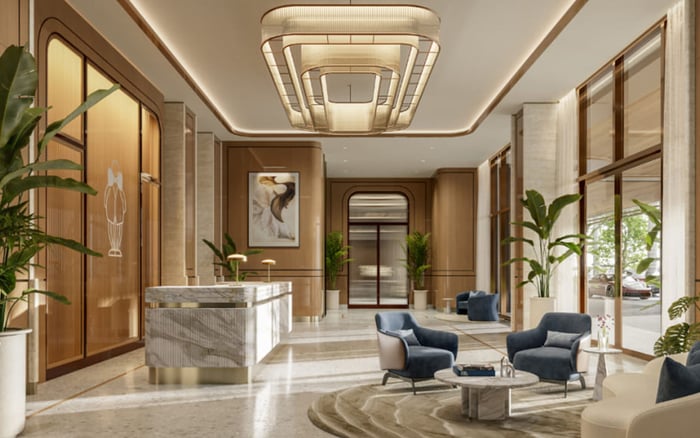
In residential buildings, the equivalent test is choreography. Consider whether a resident can move from car to residence with minimal exposure, how guests are announced, and whether service traffic is meaningfully separated from owner circulation. Buyers looking at Boca Raton condominium options such as Alina Residences Boca Raton should assess not only the residence itself, but also the route from arrival to front door.
Privacy is visual before it is legal. A home can have the right documents, address, and security posture, yet still leave daily life too visible. During a tour, stand where you will actually live: at the kitchen island in morning clothes, on the terrace with family, in the pool after sunset, at the primary bath window, and at the desk where confidential calls may occur.
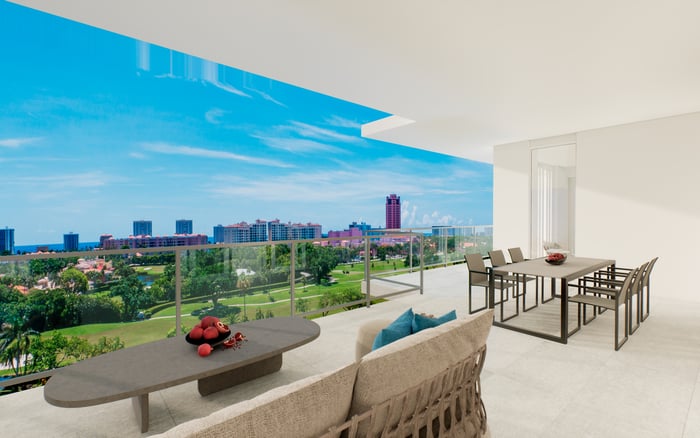
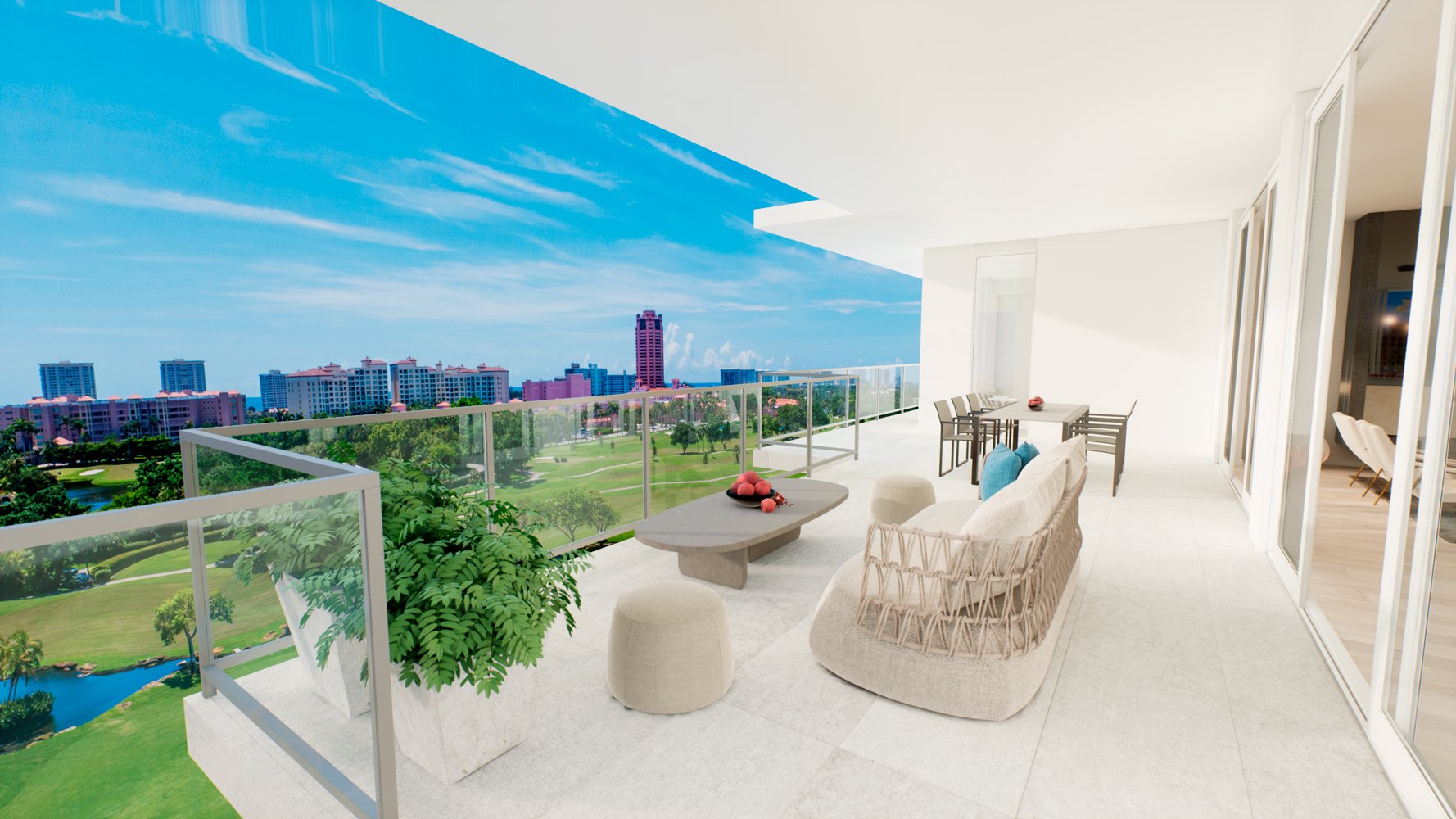
Then look outward. What can you see, and what can see you? Adjacent balconies, neighboring second floors, club areas, sidewalks, rooftops, maintenance paths, and water traffic can all affect the feeling of enclosure. Landscaping may soften exposure, but it should be treated as a living system, not a permanent wall. Ask how planting will mature, how it is maintained, and what happens after storms, pruning, renovations, or neighboring construction.
For residences with extensive glass, privacy should be evaluated in daylight and after dark. Reflection, interior lighting, window treatments, and terrace depth all change the equation. A building like Glass House Boca Raton naturally invites buyers to think about transparency, view, and discretion as one design conversation.
Ultra-luxury privacy depends on service, but service also creates access. The most private residence is rarely the one with the fewest people involved. It is the one with the clearest protocols. Before buying, map every recurring touchpoint: housekeeping, chefs, drivers, security, trainers, spa providers, pool care, landscaping, yacht support, pet care, technology vendors, deliveries, and seasonal maintenance.
In an estate, ask where vendors park, how they enter, what they can see, and whether work can occur without interrupting the household. In a building, ask how packages, food deliveries, private staff, visiting assistants, and family offices are handled. The tone of the answers matters. Vague assurances are less useful than specific, repeatable procedures.
Privacy-minded buyers should also examine staffing culture. A discreet front desk, valet team, concierge, or estate manager can be as important as architecture. You are not only buying walls. You are buying a daily standard of conduct.
Boca Raton appeals to buyers who want an elegant South Florida base without unnecessary friction. Yet convenience and seclusion must be balanced deliberately. A residence that is easy for you to access may also be easy for others to observe. A highly serviced setting may reduce household burden while increasing the number of people aware of your schedule. A secluded estate may offer deeper control, but require more private management.
This is where lifestyle simulation becomes essential. Run through a Friday evening arrival, a children’s birthday gathering, a private dinner with out-of-town guests, a quiet weekday work call, and a month when the owner is away. The right property should perform under these ordinary scenarios, not just during a 30-minute tour.
Buyers considering The Residences at Mandarin Oriental Boca Raton or Mr. C Residences Boca Raton should weigh the appeal of hospitality-influenced living against the household’s personal privacy expectations. The question is not whether service is desirable. It is how quietly and consistently that service is delivered.
A privacy search should move from impressions to documentation. Ask for rules governing rentals, guests, renovations, deliveries, staff access, photography, events, security systems, and common-area use. For private homes, review easements, association rules where applicable, exterior lighting, landscape obligations, and any restrictions affecting walls, gates, cameras, or hedges.
In a private search brief, labels such as Boca Raton, gated community, and single-family homes should be translated into lived conditions: who has access, who has visibility, who has authority, and who maintains the standard over time.
Design questions are equally important. Can window treatments be integrated without compromising architecture? Is there space for a security office or staff staging area if needed? Can family and service circulation be separated? Are outdoor entertaining zones shielded enough for real use? Does the primary suite feel private at night, when neighboring lights and interior illumination change the view corridor?
The best Boca Raton purchase is not merely a beautiful residence. It is a residence that allows its owner to disappear into a well-managed life.
What is the first privacy test before buying in Boca Raton? Begin with the arrival sequence. If the route from street, garage, valet, or gate feels exposed, the rest of the residence must work harder.
Are gated communities automatically private? Not automatically. A gate is one layer, but sightlines, vendor access, staff protocols, and neighbor proximity determine real privacy.
Should I visit a property more than once? Yes. Day, evening, weekday, and weekend visits reveal different patterns of traffic, lighting, noise, and visibility.
How should condo buyers evaluate privacy? Study the path from car to residence, guest announcement procedures, elevator access, service routes, and balcony sightlines.
How should estate buyers evaluate privacy? Walk the perimeter, test views into living areas, review service access, and understand how landscaping will be maintained.
Does more service mean less privacy? Not necessarily. Service can improve privacy when protocols are specific, staff are discreet, and access is tightly managed.
What outdoor areas need the most scrutiny? Pools, terraces, outdoor kitchens, docks, and primary-suite balconies deserve careful review at multiple times of day.
Should privacy concerns affect negotiations? They can. Needed window treatments, landscape work, access controls, or design modifications may affect value and timing.
What documents should privacy-minded buyers review? Review association rules, guest policies, rental rules, renovation limits, access procedures, and exterior modification restrictions.
Can privacy be improved after closing? Often, but not always. Architecture, setbacks, neighboring sightlines, and building circulation may be difficult to change.
To compare the best-fit options with clarity, connect with MILLION.
If branded residences are on your mind — as a home or as an allocation — we would be glad to share what we are seeing, privately.
Begin a quiet conversation