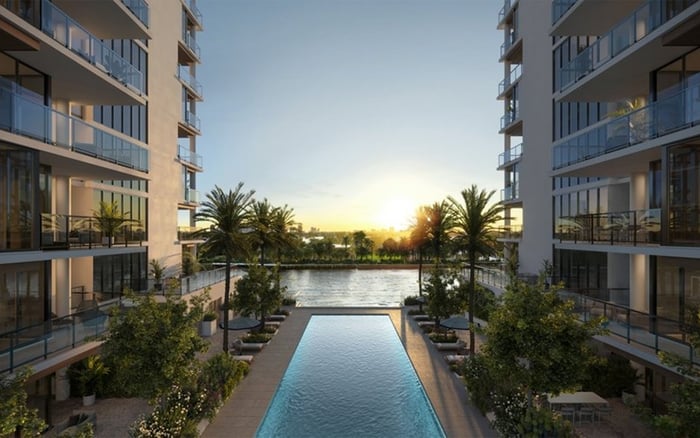
Bridge clearance can quietly reshape the ownership economics of a South Florida waterfront boutique residence by affecting boating flexibility, resale appeal, daily convenience, and the true value of a dock or marina-adjacent lifestyle.
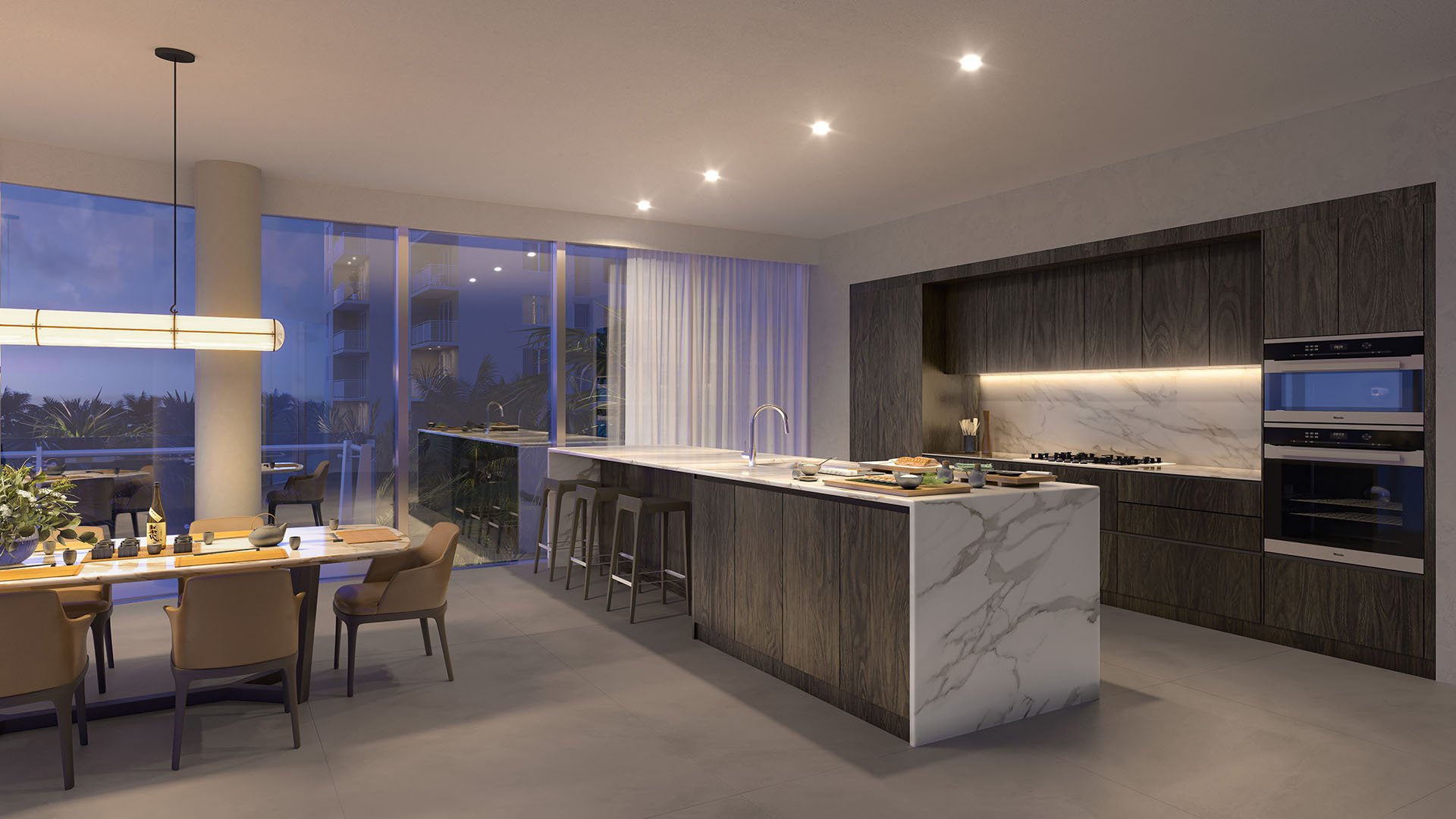
For a South Florida buyer, waterfront is rarely a single amenity. It is a spectrum of access, privacy, views, dockage, boating rhythm, and daily ease. Bridge clearance sits near the center of that spectrum because it determines what kind of vessel can move between a residence and open water, how effortless that movement feels, and whether the dock functions as a showpiece or a true extension of the home.
This is where the real cost of a boutique residence becomes more nuanced than the purchase price. A buyer may pay for frontage, a private slip, or proximity to a marina, yet the practical value of those features can shift if a bridge affects vessel height, timing, or route selection. The question is not simply whether a boat can pass. It is whether the owner can use the water with the spontaneity promised by the view from the terrace.
In ultra-premium markets, time is a luxury asset. A residence that saves minutes, avoids complicated routes, and supports the vessel an owner actually wants may justify a different valuation than a similar home tucked behind a restrictive crossing. Conversely, a serene inland setting behind bridges may be ideal for buyers who prioritize privacy, protected waters, and a quieter residential mood over immediate ocean access.
Boutique buildings often attract buyers seeking discretion, fewer neighbors, a more residential atmosphere, and a stronger connection to place. That intimacy magnifies the importance of site-specific details. In a large full-service tower, an owner may think first about hospitality, scale, and amenity programming. In a smaller waterfront address, the daily relationship between lobby, residence, terrace, dock, and water can become the defining luxury.
Bridge clearance can influence that relationship in several ways. It may affect the appropriate size and profile of a vessel. It may alter the appeal of keeping a boat at the residence rather than in a nearby marina. It may also shape the resale audience, since a future buyer with a taller vessel may read the same dock very differently from a buyer with a smaller day boat.
The best buyers avoid treating all waterfront as interchangeable. They ask how the property lives at sunrise, on a weekend departure, during a dinner cruise, or when guests arrive by water. They also ask whether the boating use case matches the residence itself. A refined boutique home with calm canal frontage can be superb if the owner values protected water and neighborhood quiet. It can be costly if the owner expected direct, frictionless access for a larger yacht.
South Florida’s coastal map is filled with micro-markets, and each carries a different boating psychology. Fort Lauderdale has long been associated with an intricate waterway lifestyle, making clearance, dock configuration, and route planning central to the purchase conversation. A buyer considering Riva Residenze Fort Lauderdale may be thinking as much about the cadence of waterfront living as the architecture of the residence itself.
In Miami Beach, the calculus can be different. Some buyers are drawn to beach proximity, cultural access, and a resort-like rhythm, while others want a residence that still feels connected to boating. For that buyer, The Ritz-Carlton Residences® Miami Beach illustrates why lifestyle context matters: the value conversation is not simply sand versus bay, but how water access supports the owner’s larger pattern of living.
Pompano Beach brings another form of comparison, especially for buyers weighing newer coastal residences and a quieter stretch of oceanfront living. At The Ritz-Carlton Residences® Pompano Beach, the broader decision may include beach access, service culture, and proximity to boating infrastructure, all of which should be evaluated alongside any specific route-to-water considerations.
Bay Harbor Islands and nearby waterfront enclaves often appeal to buyers who want a more residential, village-like atmosphere near Miami’s core luxury districts. A residence such as Onda Bay Harbor belongs in a conversation about how protected water, neighborhood scale, and boating intentions intersect. A buyer may find that a softer, more discreet waterfront setting has its own value, even when the boating equation requires sharper due diligence.
Bridge clearance due diligence should begin before a buyer falls in love with the terrace view. The first question is simple: what vessel will the owner actually use? Not the boat imagined for a brochure lifestyle, but the vessel already owned, on order, or realistically desired. Height, beam, draft, and operating preferences all matter.
The second question is route-based. Which bridges are encountered from the dock to open water, and are they fixed or movable? A movable bridge may solve a height issue but introduce timing considerations. A fixed bridge may be predictable but set a firm limit. A route with fewer variables can be worth more to an owner who boats frequently, hosts guests by water, or wants uncomplicated access at different times of day.
The third question is tidal. Clearance is not experienced in the abstract. Buyers should understand how conditions can affect usable space beneath a bridge and should confirm assumptions with professionals who regularly navigate the local waterway. A detail that feels academic during a showing can become material after closing.
The fourth question is operational. Where will the boat be serviced? Can a captain maneuver comfortably? Is there room for safe docking? Is the dock itself aligned with the vessel’s length and boarding needs? A residence can have an appealing waterfront presentation yet still require an owner to keep the primary boat elsewhere. That is not necessarily a flaw, but it should be priced honestly.
The most sophisticated buyers separate three types of value: visual value, experiential value, and functional value. Visual value is the beauty of the water from the residence. Experiential value is the feeling of living near the water, dining outdoors, hearing movement on the canal, or walking to nearby amenities. Functional value is the ability to use the water as transportation and recreation.
Bridge clearance mainly affects functional value, but it can influence the other two. If a buyer expected the dock to be central to family life, a mismatch between vessel and bridge may reduce the emotional return on ownership. If a buyer wants the calm of water without the responsibility of a larger boat, the same bridge may barely matter. In that sense, clearance does not create a universal discount or premium. It creates a fit test.
For sellers, the same logic applies in reverse. A residence behind bridges should not be marketed vaguely as simply “boater-friendly” without context. The strongest presentation is precise: who the residence serves, what type of boating life it supports, and how its setting enhances daily living. The right buyer will pay for clarity. The wrong buyer may discover friction later.
For buyers, the lesson is equally direct. Do not let a beautiful dock substitute for a navigational review. Do not assume that a lower asking price behind a bridge is a bargain if it forces a second marina arrangement. And do not dismiss a behind-bridge residence if the setting, privacy, architecture, and protected water align with the way you truly live.
In South Florida’s luxury market, bridge clearance is not a technical footnote. It is part of the architecture of ownership. It shapes how a residence performs, how easily a boating lifestyle unfolds, and how a future buyer may value the same waterfront promise.
Why does bridge clearance matter when buying a waterfront residence? It can determine what type of vessel can reach open water from the property and how convenient the boating lifestyle feels day to day.
Is a residence behind a bridge always worth less? Not necessarily. Value depends on the buyer’s boating needs, the privacy of the setting, the quality of the residence, and the overall waterfront experience.
What should buyers verify before closing? Buyers should verify vessel dimensions, bridge route, tidal considerations, dock suitability, and whether the intended boating use is realistic.
Does a movable bridge solve the clearance issue? It may solve height limitations for certain vessels, but it can introduce timing, waiting, and operational considerations.
Can bridge clearance affect resale? Yes. It can narrow or expand the future buyer pool depending on whether prospective owners need access for larger or taller vessels.
Is a marina slip an alternative to a private dock? It can be, especially if the residence offers the desired lifestyle but the water route does not suit the owner’s primary vessel.
Should non-boaters care about bridge clearance? They should understand it because it may affect resale positioning, even if they personally value the view more than boating access.
How does this apply to boutique residences? Boutique properties often rely heavily on site character, so the practical quality of waterfront access can become a larger part of the value story.
What is the biggest mistake buyers make? The biggest mistake is treating a dock, water view, and navigable access as the same thing without testing the actual route.
Can a behind-bridge home still be a luxury purchase? Yes. If the residence delivers privacy, beauty, protected water, and the right boating fit, it can be an exceptionally elegant choice.
For a tailored shortlist and next-step guidance, connect with MILLION.
If branded residences are on your mind — as a home or as an allocation — we would be glad to share what we are seeing, privately.
Begin a quiet conversation