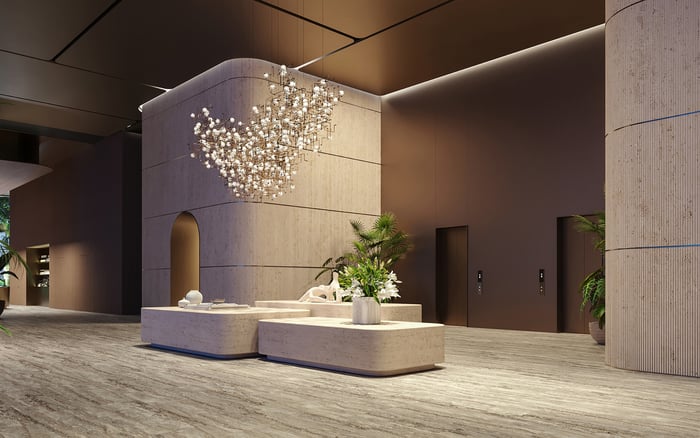
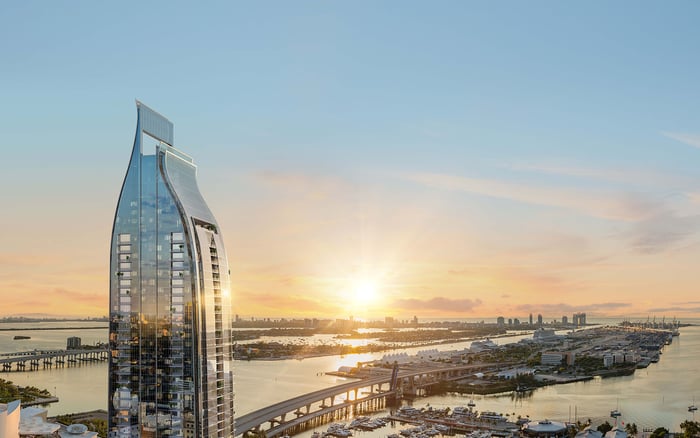
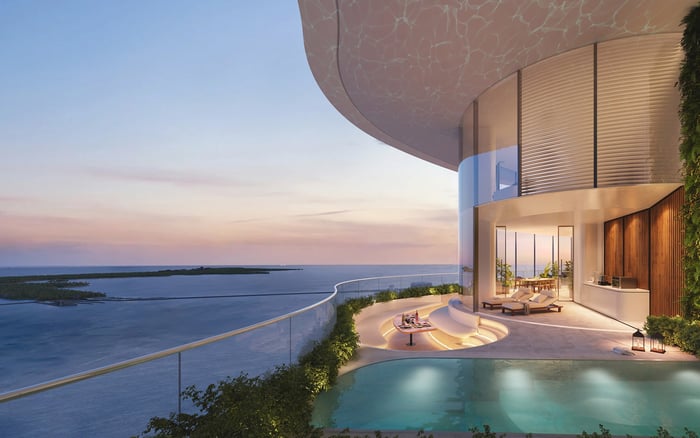
For collectors, a trophy penthouse is not priced only by views, scale, and provenance. Art-friendly climate control can alter the true cost through design, operations, engineering review, and long-term stewardship.
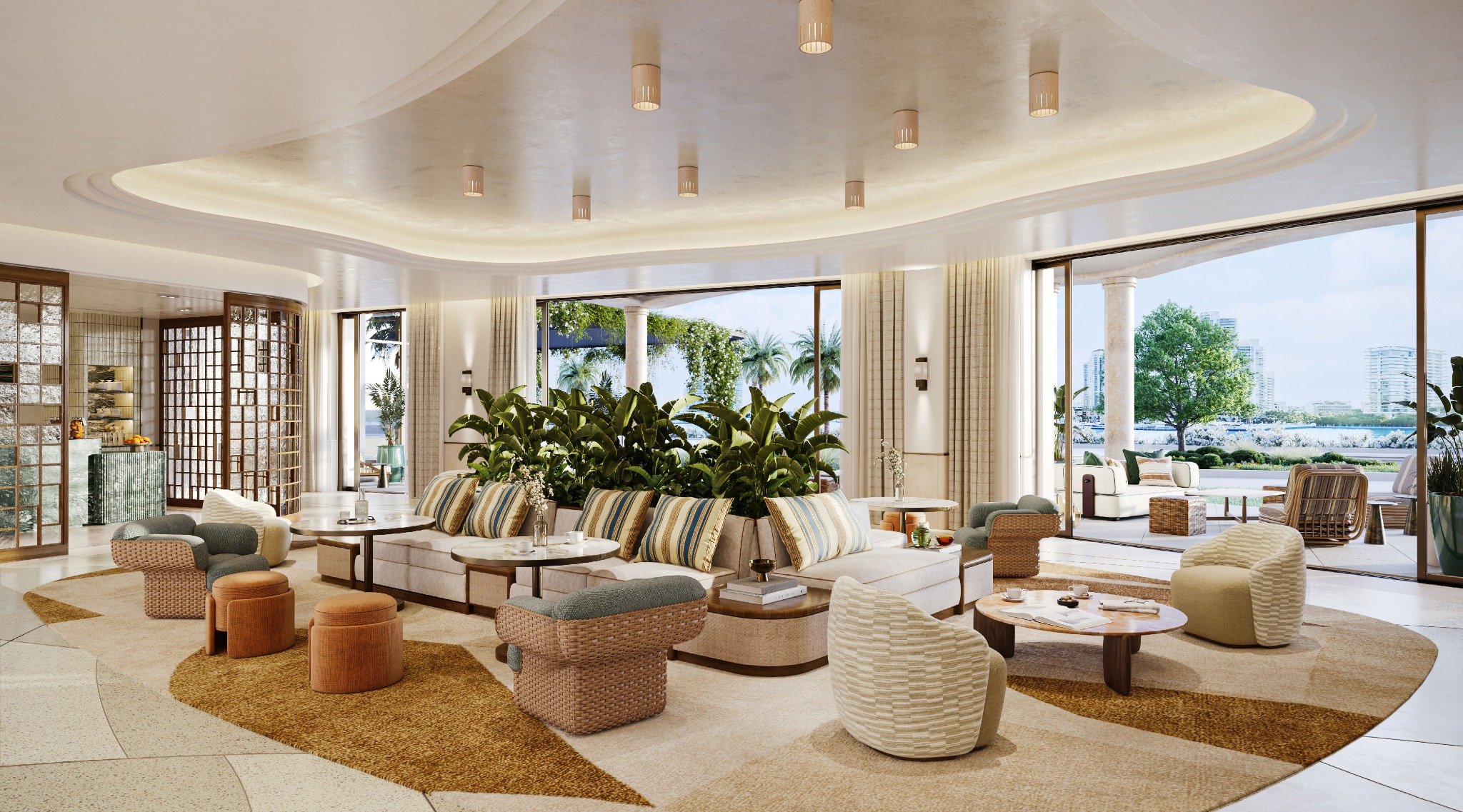
A trophy penthouse is often judged by the obvious signals: the horizon line, the elevator arrival, the terrace sequence, the ceiling heights, the privacy of the primary suite. For an art collector, those elements are only the beginning. The more revealing question is whether the residence can quietly support valuable works without forcing awkward compromises after closing.
Art-friendly climate control does not mean turning a home into a museum. It means determining whether the residence can maintain a stable interior environment, protect sensitive display areas, and accommodate specialist equipment without diminishing the architecture. In South Florida, where buyers frequently want light, water, and openness, that question can directly affect the real cost of ownership.
The premium is not always visible in the contract price. It may emerge during the inspection period, in design revisions, mechanical upgrades, service agreements, or the decision to avoid a residence that looks spectacular but cannot be adapted easily. For a penthouse buyer, climate is no longer a back-of-house issue. It is part of the acquisition model.
A collector should separate the purchase price from the cost of making the home collection-ready. That second number can include mechanical review, controls integration, lighting coordination, filtration, humidity management, backup planning, and the careful placement of works away from risky microclimates. None of these choices has to feel theatrical. The most elegant systems are usually the ones a guest never notices.
The key is sequencing. If climate planning begins after the interiors are complete, the owner may face visible grilles, compromised wall space, disruptive access panels, or limits on where art can be hung. If it begins during acquisition, the buyer can ask sharper questions: Which rooms can be separately controlled? Where are the mechanical runs? How does the residence respond when terrace doors are opened frequently? Can the primary display wall be protected without disturbing the design language?
This is where Design & Architecture becomes financial strategy. The costliest solution is often not the finest solution. A better plan may be quieter, more targeted, and less invasive, but only if the residence offers the right bones.
Before focusing on finishes, a serious buyer should understand the climate behavior of the spaces most likely to hold important works. Expansive glazing, dramatic stair volumes, double-height rooms, and open entertaining areas can all be beautiful, but they require careful review when art is part of the lifestyle.
The evaluation should include air distribution, temperature stability, humidity behavior, filtration, sunlight exposure, and how the home performs when occupied at scale. A penthouse used for private dinners or seasonal entertaining may experience different conditions than one used quietly by two residents. That difference matters when art is installed in living areas rather than stored away.
In Brickell, for example, a buyer comparing high-design residences such as The Residences at 1428 Brickell may want the design team to review not only the view corridors, but also the walls, corners, and circulation zones where a collection would actually live. The smartest question is not, “Can art fit here?” It is, “Can art remain comfortable here?”
For many collectors, the ideal system is not more power. It is more control. Separate zones can allow a media room, gallery wall, bedroom corridor, or entertaining salon to be tuned with greater precision. That flexibility may reduce the need to over-condition the entire residence simply to protect a smaller number of sensitive locations.
Discretion is equally important. Luxury buyers do not want a technical retrofit that overwhelms stone, millwork, plaster, or custom lighting. A climate strategy should respect the interior architecture, especially in a residence where wall surfaces are part of the experience. Mechanical decisions should be coordinated with art lighting, window treatments, framing standards, and furniture placement.
This is why the most capable due diligence teams often include both the design and engineering sides of the conversation. A purely decorative review may miss performance issues. A purely technical review may solve the wrong problem. The goal is a residence that feels serene while working harder than it appears.
Penthouses are often selected for qualities that can complicate art care: glass, height, exposure, terraces, and open-plan volume. These are also the qualities that make them desirable. The point is not to reject drama, but to price the stewardship that drama may require.
In Miami Beach, a residence such as The Perigon Miami Beach may attract buyers who care deeply about architecture, atmosphere, and proximity to cultural life. The conversation around collecting may become more visible during major cultural weeks, but the underlying ownership discipline is year-round: art should be considered before the installation date, not after the first condition concern.
On Fisher Island, buyers evaluating The Residences at Six Fisher Island may have a different privacy profile, but the same collector logic applies. A trophy residence should be assessed as a home, a social setting, and, when relevant, a quiet environment for cultural assets.
Art-friendly requirements can influence negotiations in subtle ways. A buyer may request additional time for specialist review, ask for access to mechanical information, or use the findings to refine the post-closing budget. The climate question can also clarify which residences deserve a premium and which ones merely photograph well.
For a Downtown Miami buyer considering a statement address like Aston Martin Residences Downtown Miami, the relevant issue is not whether the building feels luxurious in the abstract. It is whether the specific residence, layout, and exposure can support the owner’s intended way of living. A collector’s home is not a showroom. It must perform through daily routines, travel periods, entertaining, and seasonal changes in occupancy.
The best negotiations do not reduce climate planning to a defect checklist. They treat it as part of total ownership cost, much like staffing, storage, maintenance, and insurance conversations. A buyer who understands those costs early can make a cleaner decision and avoid confusing a beautiful acquisition with a fully prepared one.
The ultimate mark of an art-ready penthouse is ease. Works are placed with confidence. Rooms feel calm. Systems are monitored without becoming a spectacle. The owner is not constantly adjusting the home to protect the collection, because the home was selected and prepared with that responsibility in mind.
This is where real cost becomes real value. A residence that needs less invasive adaptation may justify a stronger position. A residence that demands extensive corrections may deserve a more disciplined offer, even if the view is extraordinary. For collectors, beauty and performance are not competing priorities. They are the same conversation, viewed over a longer horizon.
Does every luxury penthouse need art-friendly climate control? Not every residence requires a specialized approach, but collectors should assess climate performance before committing to important installations.
What should buyers review first? Start with HVAC zoning, air distribution, humidity behavior, glazing exposure, and the rooms where important works are likely to hang.
Can climate upgrades be handled after closing? Sometimes, but post-closing changes can be more disruptive if mechanical access, lighting, and wall finishes are already complete.
Is a cooler home automatically better for art? Not necessarily. Stability, appropriate humidity, filtration, and thoughtful placement can matter as much as temperature.
Should an art advisor join the property tour? For a serious collection, an art advisor or conservator can help identify risks that a standard walkthrough may not reveal.
How does this affect the offer strategy? Climate findings can shape the post-closing budget and help a buyer decide whether a premium residence is truly collection-ready.
Are terraces a concern for collectors? Terraces are part of the lifestyle, but frequent door use can affect nearby interiors, so display zones should be planned carefully.
Can a beautiful interior still be technically weak? Yes. A residence can look refined while lacking the zoning, controls, or discretion needed for sensitive art placement.
Is this only relevant during major art events? No. Cultural events may sharpen attention, but art care is a year-round ownership consideration.
What is the main takeaway for buyers? Treat climate as part of total ownership cost, not as a minor technical detail after the purchase.
For a tailored shortlist and next-step guidance, connect with MILLION.
If branded residences are on your mind — as a home or as an allocation — we would be glad to share what we are seeing, privately.
Begin a quiet conversation