For collectors, a Wynwood condo is more than a backdrop. The right search tests wall geometry, daylight, circulation, delivery rules, security, storage, and the relationship between art and daily life before finishes or views settle the decision.
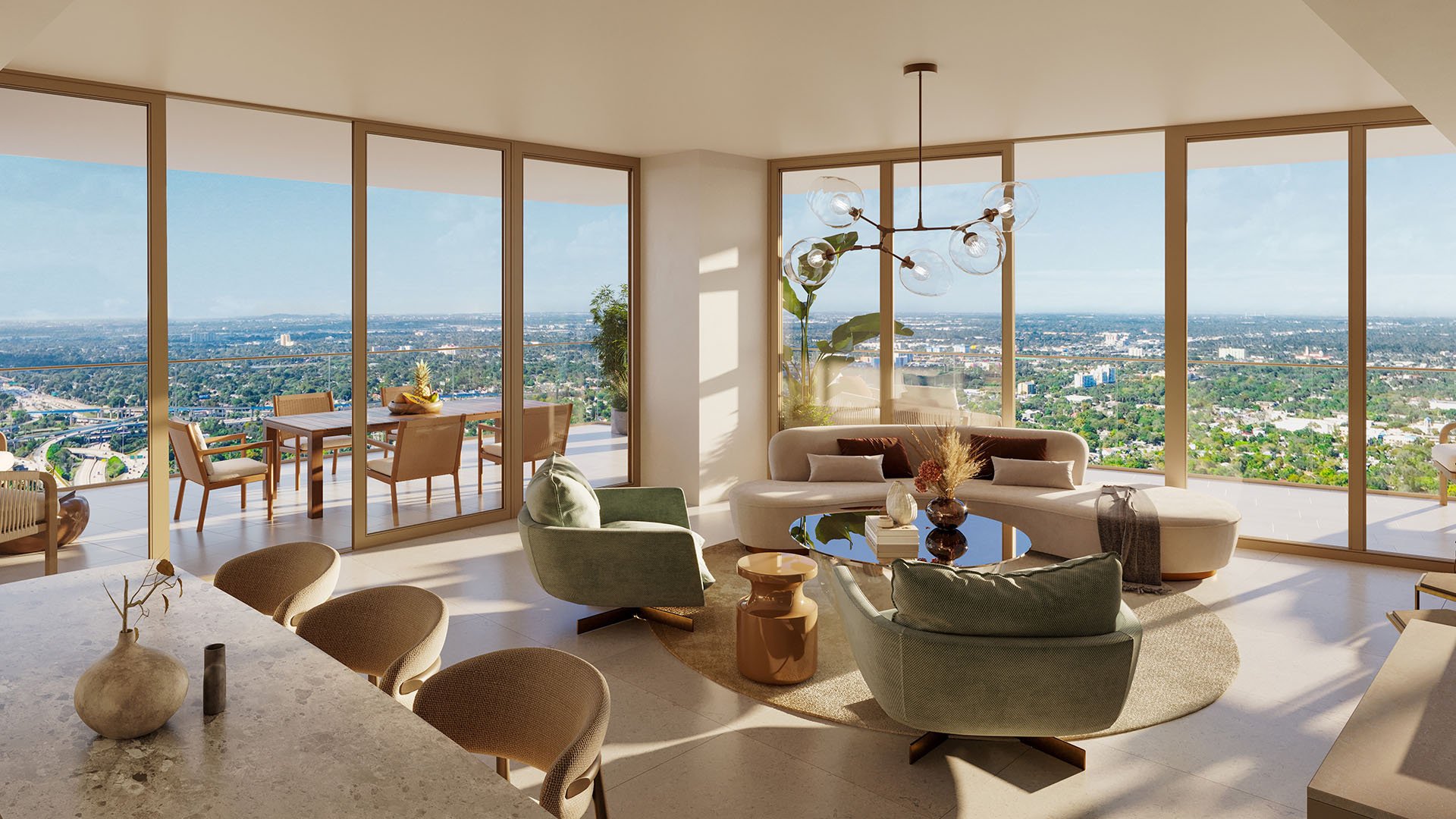
For an art collector, the conventional luxury-condo search can begin in the wrong place. Views, finishes, amenities, and entertaining space all matter, but none determines whether a residence can support the works that give it identity. In Wynwood, where art is integral to the neighborhood conversation, the collection should inform the property brief from the first showing.
This buyer's-guide approach is fundamentally practical. Catalogue the works likely to be displayed, noting dimensions, weight, medium, sensitivity to light, and preferred sightlines. Distinguish permanent anchors from pieces intended to rotate. A large canvas requires more than a wall of sufficient width; it also demands adequate viewing distance, clear circulation, suitable lighting, and a delivery path that makes installation realistic.
The result is a more disciplined search. Instead of asking whether the art could fit, the buyer asks whether the home can be composed around it.
A collector should assess a floor plan as a sequence of visual experiences. The arrival may establish a focal work. A corridor can create rhythm. A living area may require one uninterrupted plane rather than several smaller surfaces divided by doors, glazing, switches, or built-ins.
Ceiling height is only one variable. Wall proportions, corner conditions, furniture clearances, and viewing distance can be equally important. Sculpture introduces another layer: floor loading, pedestal placement, turning radius, and the relationship between the object and natural light all warrant attention.
Here, design and architecture become buying criteria rather than stylistic preferences. When viewing Frida Kahlo Wynwood Residences or any other Wynwood candidate, bring a scaled collection plan and test actual placements. A beautiful empty room can feel entirely different once art, furniture, and circulation compete for the same space.
Abundant daylight may photograph beautifully, yet collectors should consider how it enters, moves through, and reflects within the residence. Direct sun, glare, and heat can affect where sensitive works feel appropriate. Glass-heavy rooms may provide fewer usable display surfaces than their square footage suggests.
During a showing, inspect the orientation of each principal wall and consider the room at different times of day. Ask which shading, glazing, and lighting controls are present or permitted rather than assuming every intervention will be acceptable. A lighting consultant can refine the scheme later, but the underlying geometry must work first.
For an Art Basel-season residence or a year-round home, flexibility is valuable. Track lighting, adaptable circuits, and layered ambient light can support rotation, while fixed decorative fixtures may constrain future curatorial choices. The best setting allows art to command attention without making the home feel like a gallery after business hours.
The residence is only one part of the acquisition. Collectors must also understand the operational path from the loading area to the final wall. Elevator dimensions, door widths, corridor turns, protective procedures, installation hours, and vendor access can determine whether a large work is practical.
Request relevant building policies before committing, particularly those governing drilling, wall reinforcement, specialist crews, insurance documentation, and extended installations. These questions are equally essential in new-construction purchases, where plans may need review before the completed home can be physically tested.
Storage warrants the same scrutiny. Climate-sensitive or high-value pieces should not be assigned casually to an ordinary closet. If dedicated in-residence storage is unavailable, the buyer may prefer a disciplined rotation plan and professional off-site arrangements. Security, privacy, and documentation protocols should also be discussed discreetly with qualified advisers.
A Wynwood search need not be isolated from nearby alternatives. The collector's preferred lifestyle may depend on how often they visit studios, host advisers, attend exhibitions, or move between cultural districts. The right comparison is not simply one neighborhood against another, but one daily pattern against another.
A buyer might compare a Wynwood residence with Miami Tropic Residences to test different interpretations of location and routine. A broader, design-oriented search could also include Kempinski Residences Miami Design District, while EDITION Edgewater offers another urban comparison.
These links should begin a conversation, not settle it. The collector's works, privacy expectations, installation needs, and preferred pace of life remain the decisive filters.
Before making an offer, conduct a collection-specific review alongside the usual legal, financial, and physical due diligence. Revisit the strongest walls with measurements in hand. Confirm the delivery route. Identify any approvals required for lighting, reinforcement, window treatments, or security equipment.
Then distinguish solvable design issues from structural limitations. Paint, lighting, and cabinetry can change. Poor viewing distance, insufficient circulation, or an impossible installation route may not. A clear hierarchy prevents an attractive finish package from obscuring a fundamental mismatch.
The most successful Wynwood purchase should accommodate the collection today while leaving room for its evolution. That balance transforms a condo from a container for objects into a considered setting for living with art.
Should art measurements be taken to every condo showing? Yes. A concise schedule of dimensions, weights, and light sensitivities makes each viewing more productive.
Is more glass always a disadvantage for collectors? No. Glass can create dramatic spatial relationships, but usable wall area and light control require careful evaluation.
What floor-plan feature matters most for large paintings? An uninterrupted wall is important, but adequate viewing distance and a workable delivery path are equally critical.
Should a buyer involve an art adviser before making an offer? For a significant collection, early input can reveal display, rotation, and installation conflicts before commitment.
Can lighting limitations be corrected after closing? Some can, subject to building rules and existing conditions. Buyers should confirm feasibility rather than assume permission.
How should sculpture affect the search? Evaluate floor conditions, circulation, scale, natural light, and the route from the building entrance to final placement.
Do building rules matter for ordinary framed works? They can. Installation hours, vendor access, insurance requirements, and drilling restrictions may apply even to familiar formats.
Is in-unit art storage essential? Not always. The answer depends on rotation frequency, environmental needs, available space, and professional off-site options.
Should collectors prioritize Wynwood over nearby neighborhoods? Priority should reflect the buyer's routines, collection needs, privacy preferences, and desired relationship with Miami's design life.
What should happen during a final art-focused walkthrough? Recheck wall dimensions, sightlines, daylight, elevator access, corridor turns, and proposed locations for lighting or reinforcement.
For a tailored shortlist and next-step guidance, connect with MILLION.
If branded residences are on your mind — as a home or as an allocation — we would be glad to share what we are seeing, privately.
Begin a quiet conversation