A buyer-oriented guide to reviewing balcony waterproofing records, rain-related concerns, reserve planning, and façade-access schedules in West Palm Beach, with structural inspections kept in their proper context.
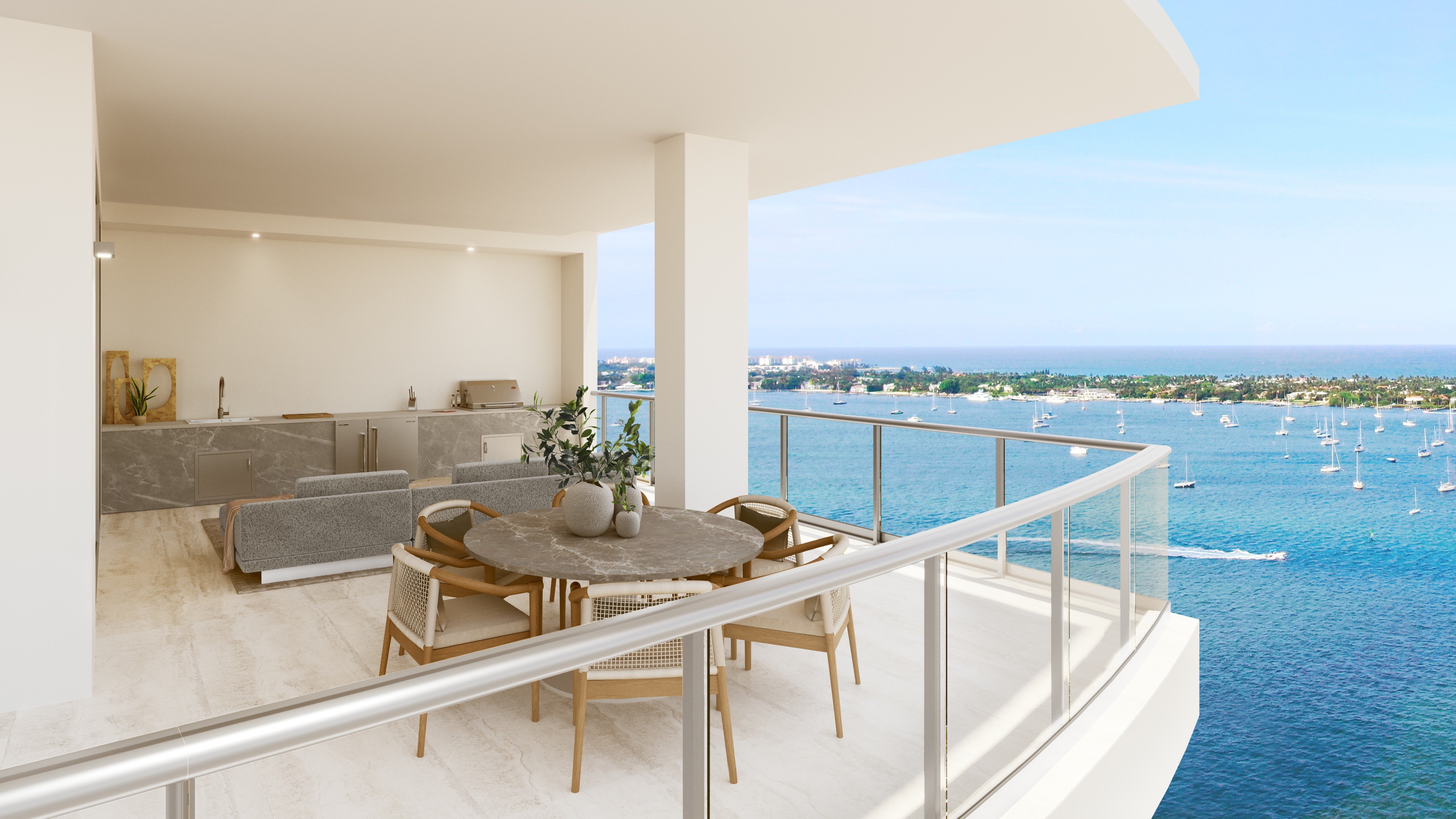
For a high-value residence in West Palm Beach, the balcony deserves the same disciplined review as the interior. Its appeal is immediate: an outdoor room, a setting for entertaining, a private extension of daily life. The ownership questions are less visible. What waterproofing work has been completed? How are rain-related concerns addressed? When will exterior work next affect access or privacy?
A useful review separates appearance, documented condition, funding, and scheduling. A freshly presented terrace is no substitute for maintenance records, just as a structural inspection is not a comprehensive waterproofing investigation. Buyers considering Alba West Palm Beach can apply that distinction when requesting property-specific information, without assuming anything about the project's condition or obligations.
Begin with the latest available waterproofing scope, completed repair records, relevant contracts, and a history of reported leaks. Ask which areas were addressed, which remain under review, and what documentation supports each repair's status. These are due-diligence requests, not a universal statutory checklist.
The objective is to distinguish a proposed solution from completed work-and completed work from documented follow-up. Ask management to connect each concern to its location, the professional assessment, the authorized scope, and any subsequent observations. If the response is simply that a balcony was renovated, clarify whether the work included waterproofing or only finishes.
Avoid specifying coatings or testing procedures yourself. Instead, ask the appropriate qualified professional what investigation the condition warrants and what evidence would support closing the issue. The purchase decision should rest on a defined scope and accountable follow-through, not a general assurance that the exterior has been refreshed.
When wind-driven rain comes up during a showing or document review, request the event history before accepting an explanation. Which rooms or exterior areas were affected? Was the issue isolated or recurring? What was investigated, and what remains unresolved?
These questions establish a record without presuming a particular entry pathway. Do not infer the source of moisture from a stain, a photograph, or its appearance during a storm. Request a professional assessment appropriate to the condition rather than treating a general structural review as an answer to every water-related question.
For buyers evaluating Forté on Flagler West Palm Beach, this framework can guide conversations about exterior performance: seek residence-specific and building-level documentation where applicable. A project name alone cannot answer a technical question about an individual property.
Florida requires milestone inspections for residential condominium and cooperative buildings with three or more habitable stories, including buildings with mixed ownership. The general schedule begins at 30 years of building age and repeats every 10 years, although an earlier initial inspection may apply.
A Florida-licensed architect or engineer must perform these inspections. Phase one is a visual examination for evidence of substantial structural deterioration. Such evidence can trigger a second phase involving further investigation. The focus is structural safety, including load-bearing elements and primary structural members and systems.
That purpose matters. Milestone findings are not a comprehensive waterproofing clearance or a guarantee of uninterrupted balcony use. Ask separately about unresolved water-related concerns and planned exterior work.
For a West Palm Beach address, confirm the applicable enforcement authority, written notices, and property-specific deadlines. Do not automatically apply guidance for unincorporated Palm Beach County to a municipal address or assume a blanket 25-year coastal trigger governs every building. Request documentation of the building's age rather than relying on the date of a unit purchase or renovation.
A Structural Integrity Reserve Study, or SIRS, evaluates reserve needs for future major repairs and replacement of common areas, based on a visual inspection. Covered condominium and cooperative buildings generally require one at least every 10 years. Its estimates of remaining useful life and repair or replacement costs support funding decisions.
Components addressed include waterproofing and exterior painting, windows and exterior doors, roofs, and structural systems. Plumbing, electrical systems, and fire-protection systems also belong in the broader picture. A façade discussion should therefore sit within the association's overall capital planning, not replace it.
Request the latest SIRS, reserve schedule, repair contracts, and information about pending assessments. Compare the planned scope with the budget. Ask which figures are estimates, which costs are contracted, and which decisions remain open. When considering Mr. C Residences West Palm Beach, request documents appropriate to the property's stage and circumstances rather than assuming every record is already applicable.
Exterior work warrants a practical conversation about how the residence will be used. Request the next planned access date, proposed access method, affected elevations, expected duration, balcony restrictions, and any resident-entry requirements. Ask whether the schedule is preliminary or confirmed and who will communicate changes.
For a seasonal owner, translate that information into specific occupancy questions. Will the anticipated work overlap with a planned stay? Must balcony furnishings be moved? Is someone required to provide entry while the owner is away? Resolve these questions with management rather than presuming restrictions.
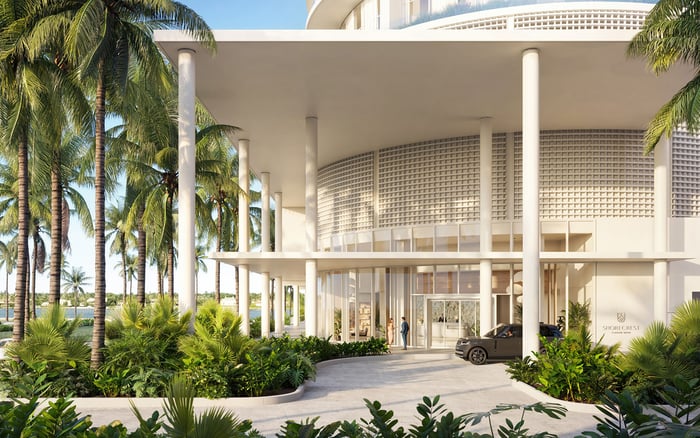
A buyer considering Shorecrest Flagler Drive West Palm Beach should request any applicable exterior-access information as part of occupancy planning. This is not a suggestion that work is scheduled there; it is a reason to give access planning a place in the same conversation as layout and lifestyle.
Organize the ownership review around four distinct categories: routine maintenance, post-storm checks, planned waterproofing or façade-access work, and statutory inspections. Do not treat them as interchangeable certifications or assign any a universal interval without property-specific support.
Ask who coordinates each category, what documentation is retained, and how unresolved items are escalated. Where storm protection is a concern, request professional review of any weaknesses in roofs, windows, doors, and garage doors, particularly where existing protective codes are not met.
Before committing, assemble a concise decision file: documented condition, unresolved questions, anticipated costs, and expected effects on occupancy. Clear records will not remove every uncertainty, but they give the buyer a more disciplined basis for judging the residence. In a luxury purchase, that clarity deserves a place beside the view.
For a considered approach to your next West Palm Beach residence, explore MILLION.
If branded residences are on your mind — as a home or as an allocation — we would be glad to share what we are seeing, privately.
Begin a quiet conversationResidential condominium and cooperative buildings with three or more habitable stories are covered, including buildings with mixed ownership. Confirm applicability with the enforcement authority for the property.
The general schedule begins at 30 years of building age and repeats every 10 years. An earlier initial inspection may apply, so confirm the building-specific deadline.
Do not assume a universal 25-year coastal trigger applies. Confirm the applicable authority and deadline rather than automatically using guidance for unincorporated Palm Beach County.
A Florida-licensed architect or engineer must perform the inspection. Phase one visually examines the building for evidence of substantial structural deterioration.
No. Its focus is structural safety, not a comprehensive waterproofing investigation; water-related concerns warrant separate review.
Request available waterproofing scopes, repair records, relevant contracts, and leak history. Ask what documentation supports the completion and follow-up status of each repair.
Request the event history, affected locations, investigation findings, and unresolved items. Do not assume a moisture pathway without an appropriate professional assessment.
A SIRS evaluates future major common-area repair and replacement reserve needs, including estimated useful life and costs. Covered components include waterproofing, exterior painting, windows, exterior doors, roofs, and structural systems, among others.
Ask for planned dates, access method, affected elevations, expected duration, balcony restrictions, and resident-entry requirements. Confirm whether the schedule is preliminary or settled.
Keep routine maintenance, post-storm checks, planned exterior work, and statutory inspections distinct. They serve different planning purposes and are not interchangeable certifications.