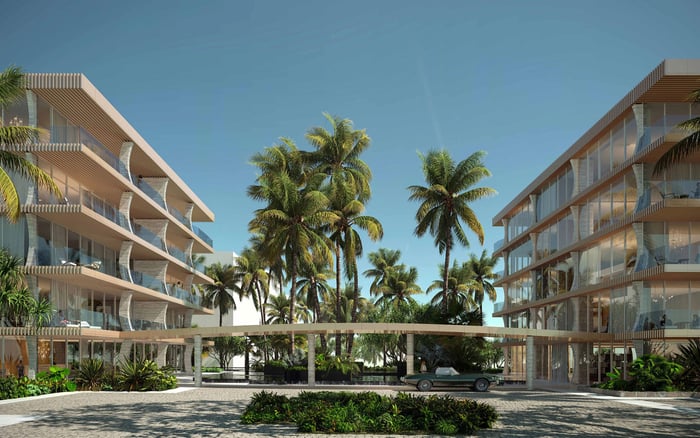
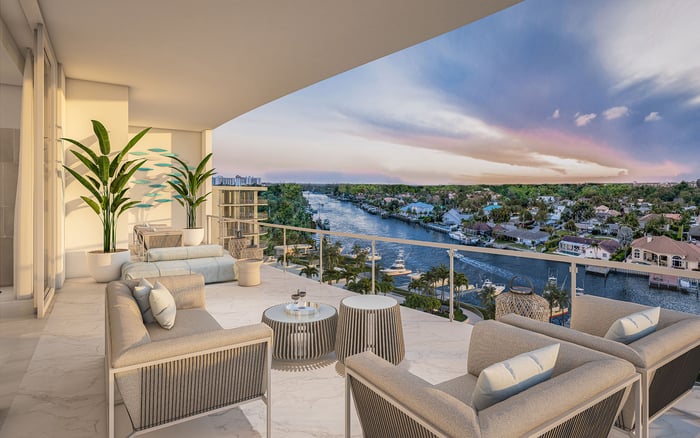
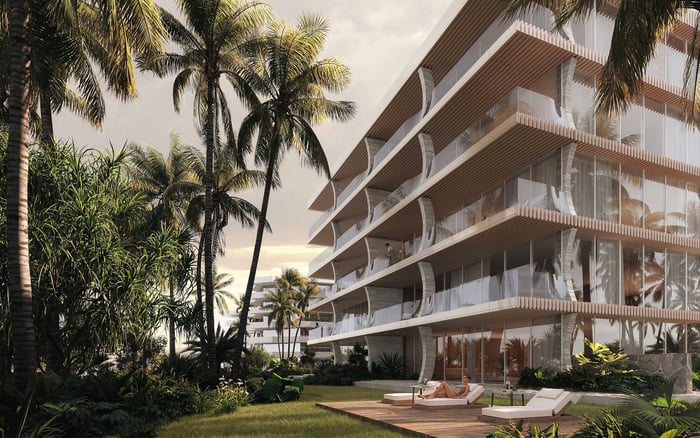
For a high-value Palm Beach County residence, the meaningful amenity measure is access during the hours an owner actually wants to use it. A peak-season diligence plan turns dining, wellness, boating and arrival logistics into practical buying criteria.
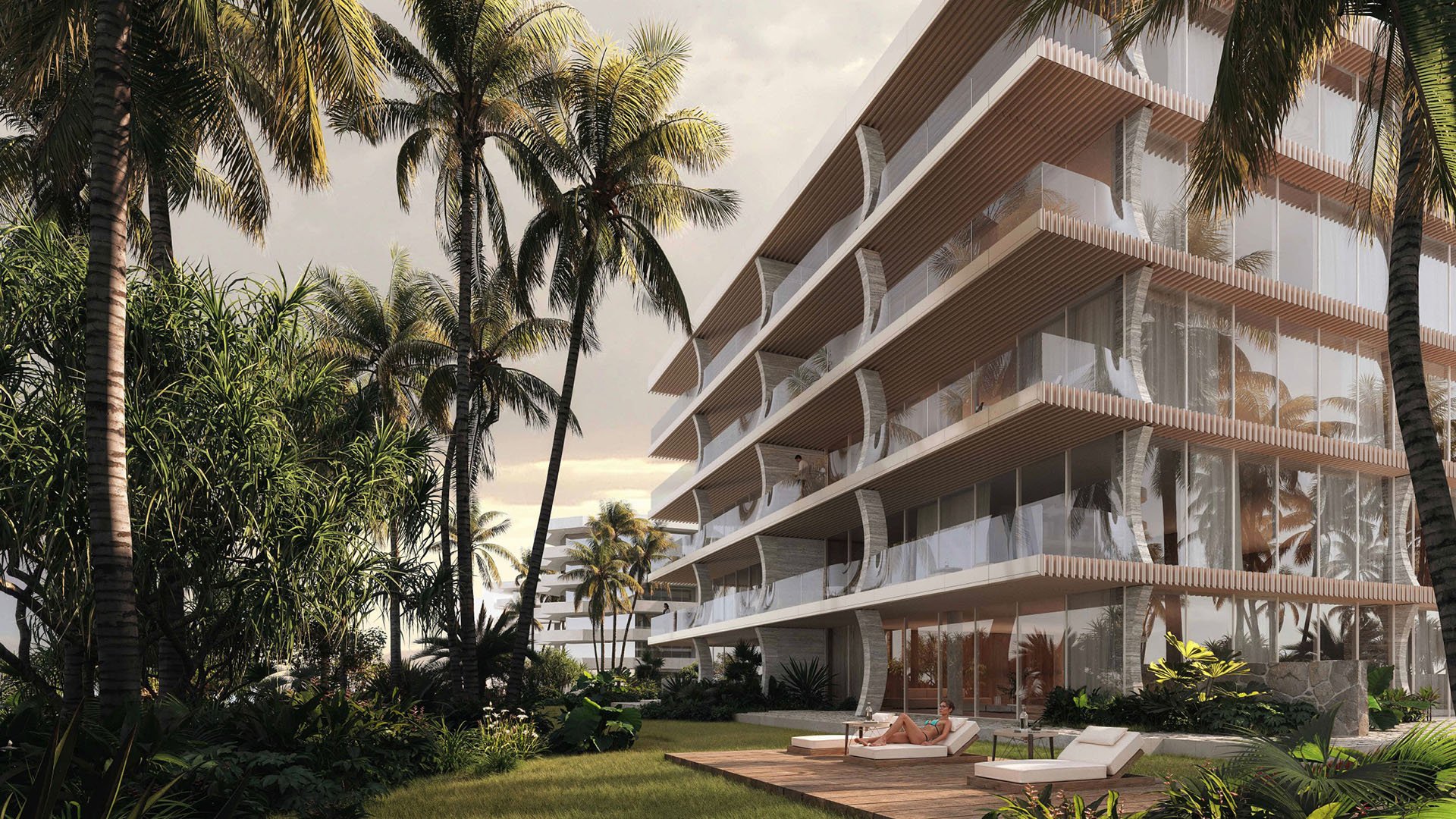
A private dining room, a generous pool deck and an extensive wellness program can make a residence compelling. But an amenity inventory answers only the first question: what exists? For a high-value purchase in Palm Beach County, the more revealing question is whether those facilities can accommodate your household at the hours you intend to use them.
The county’s high-demand season generally runs November-April, bringing returning seasonal residents, fuller social calendars and greater pressure on roads and restaurants. Second-home buyers should evaluate a residence against their winter routine, not the atmosphere of a quiet showing. The useful measure of luxury is predictable access, not the length of the amenity list.
Plan diligence visits during January-March. Pair a weekday morning with a Friday or Saturday evening and, where practical, a holiday or major-event date. Galas, cultural events, polo matches and art fairs offer opportunities to test arrivals and service when the surrounding area is active.
Before visiting, write down a realistic day: an early workout, shaded pool time, an afternoon treatment and dinner with guests. Include the moments that matter most to your household, including spontaneous plans. A facility that works beautifully with advance notice may not suit an owner who values flexibility.
When considering Alba West Palm Beach, for example, use your schedule to frame questions about the amenities offered and their access rules. This is a diligence exercise, not a conclusion about the property’s performance. Apply the same schedule to every residence under consideration.
For dining, request a reservation for your usual party size at your preferred time. Record what is available, how far in advance reservations open and whether private events reduce resident access. Ask how the rules apply to household members and guests, and distinguish a discretionary accommodation from a written priority provision.
At the pool, assess usable availability rather than count loungers. Look for shade when you would actually sit outside, seating for your party and service response during that period. In fitness areas, observe equipment waits and ask about class capacity, booking procedures and cancellation rules.
For spa services, request actual appointment options, not just a treatment menu. A broad offering does not establish availability on a particular afternoon. Buyers evaluating Alina Residences Boca Raton can apply the same checklist to whichever wellness facilities inform their purchase decision, without assuming that every category is offered.
Golf warrants a separate test: the existence of a course and access to a desired tee time are different questions. Request available times for the days you expect to play. Establish booking windows, cancellation provisions, guest rules and any resident-priority arrangements in writing.
For buyers considering Admirals Cove in Jupiter, membership structure belongs in the conversation. Review the applicable membership terms and confirm which golf, tennis, fitness and dining facilities are included rather than assuming that every reservation is assured.
Ask which rights accompany ownership, which require a separate membership and how access is allocated among eligible users. A year-round social calendar is a lifestyle feature; it is not, by itself, evidence of peak-season booking capacity.
For a boating household, waterfront appeal should remain distinct from verified berthing arrangements. For buyers considering Admirals Cove, any proposed marina access calls for vessel-specific diligence. Confirm actual slip availability, vessel fit, draft and beam limits, electrical service, guest rules and hurricane procedures.
Ask whether the proposed arrangement guarantees a slip or leaves it subject to availability. Establish how guest vessels are handled and obtain the applicable terms before making boating access a reason to purchase.
For buyers also considering The Ritz-Carlton Residences® Palm Beach Gardens, any boating arrangements presented during the sales process warrant the same vessel-specific review. Neither a project name nor a waterfront setting substitutes for written confirmation of usable access.
Request written rules distinguishing residents-only facilities from hotel-shared, club-controlled or third-party amenities. No structure automatically establishes superior service. The question is whether the operating model can support the number of people entitled to use each facility at the same time.
Ask for the prior peak season’s utilization records, service-response metrics and staffing schedules. Request the number of residences, hotel rooms, members and guests sharing each facility, where applicable. Compare that potential demand with operating hours, booking rules and available service coverage.
Read staffing plans alongside the budget. A room’s dimensions do not reveal whether enough people will be available to operate it as intended. If records are unavailable, leave that element of the comparison unconfirmed rather than treating a verbal assurance as measured performance.
A residence’s practical convenience also depends on the journey to dinner, recreation and social engagements. The Royal Park and Southern Boulevard bridges connect West Palm Beach with Palm Beach. Okeechobee Boulevard, Southern Boulevard and the bridge approaches are important corridors where peak hours and major events can constrain movement.
For a buyer considering Forté on Flagler West Palm Beach, test an island dining routine door to door, including departure, crossing, arrival and return. Measure the trip at the hour you would actually make it rather than relying on distance alone.
At each property, observe valet waits and guest-parking availability during dinner and event arrivals. These are recommendations for comparison, not assertions of congestion or service shortcomings at any named residence.
In a new development, amenity counts and square footage describe planned provision. They do not demonstrate how facilities will operate through a full winter season. Confirm opening dates, operating budgets, staffing plans and phased delivery, including which facilities are expected to be available when residents arrive.
Conclude the evaluation with a simple comparison: your intended use time, the access right, the booking requirement, the observed result and any unresolved condition. Give more weight to activities central to your life than to amenities you may rarely use. A shorter offering with dependable access may suit a household better than a broader program, but that judgment should follow the evidence.
For a discreet residence search guided by how you intend to live, connect with MILLION.
If branded residences are on your mind — as a home or as an allocation — we would be glad to share what we are seeing, privately.
Begin a quiet conversationThe high-demand season generally runs November–April, when seasonal residents return and social activity intensifies.
January–March is a useful diligence window. Pair a weekday morning with a Friday or Saturday evening and, where practical, a holiday or major-event date.
Counts identify what is offered, not whether it is available at your preferred time. Booking rules, shared demand and staffing help determine practical access.
Request a reservation for your usual party size at your preferred hour. Confirm booking windows, guest rules and whether private events reduce resident access.
Check shaded seating, equipment waits, class capacity and service response during your intended use hours. The goal is to assess usable availability rather than inventory alone.
A membership description alone does not establish guaranteed reservations or slip availability. Obtain the applicable access and allocation terms in writing.
Confirm slip availability, vessel fit, draft and beam limits, electrical service, guest rules and hurricane procedures. Establish whether the proposed arrangement guarantees a slip or remains subject to availability.
No access structure automatically establishes better service. Evaluate the number of eligible users alongside staffing, operating hours and booking provisions.
Measure actual door-to-door trips during intended dinner or event hours, including bridge crossings and arrival logistics. Check valet waits and guest parking as part of the same exercise.
Treat amenity counts and square footage as planned provision, not demonstrated performance. Confirm opening dates, staffing, budgets and phased delivery before relying on them.