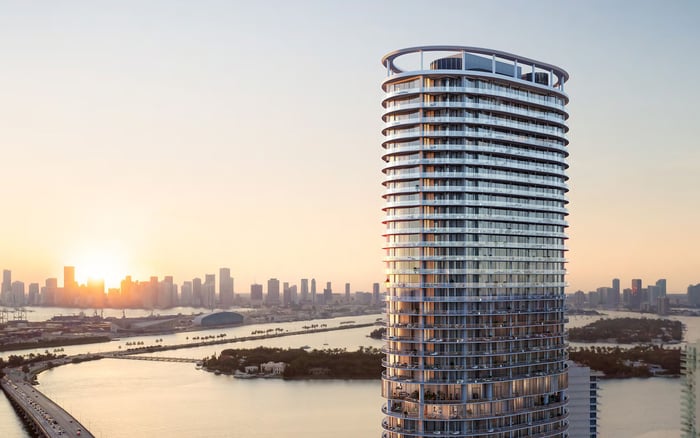
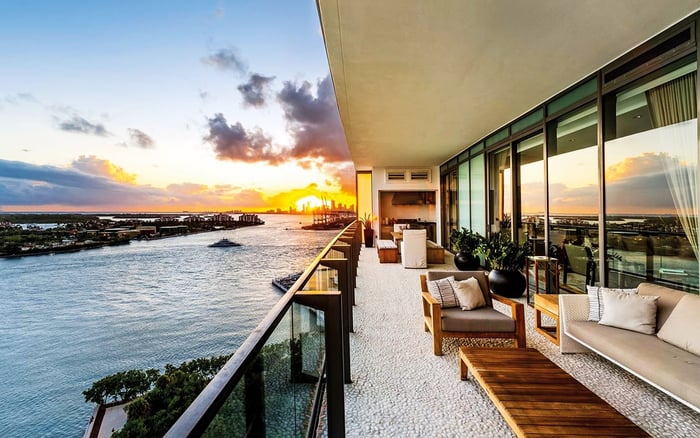
For Miami Beach condominium buyers, a considered acquisition includes the building’s capital future. Review structural needs, reserve recommendations, actual funding, and local compliance together before judging the full ownership commitment.

A beautifully composed Miami Beach residence deserves an equally considered review of the building around it. Interiors and views establish the appeal of ownership; the association’s plans for its roof, façade, plumbing, electrical systems, and waterproofing help define the financial commitment beyond the purchase price.
For a buyer considering 57 Ocean Miami Beach, the question is not simply whether a reserve study exists. It is whether the building’s documented repair needs, estimated timing, and funding arrangements form a coherent plan. That is a due-diligence principle, not a statement about any particular property’s condition or finances.
The objective is one coordinated capital review, not five unrelated maintenance conversations. A completed study does not establish that reserves are adequately funded.
Florida’s Structural Integrity Reserve Study, or SIRS, evaluates the reserve funding needed for future major repairs and replacement of covered condominium building components. Residential condominium associations must obtain a SIRS for each qualifying building of three habitable stories or higher, as determined by the Florida Building Code. The statutory cycle is at least every 10 years after the condominium’s creation.
The study combines a visual inspection of covered common-area components with an assessment of future reserve needs. It identifies the common areas inspected, estimates remaining useful life, and uses replacement costs or deferred-maintenance expenses to develop funding recommendations.
This framework concerns condominium association common areas. It is not a universal reserve requirement for every high-value private residence. Nor should buyers assume that every element within an apartment falls under the association’s reserve responsibility. Establishing the applicable scope is the first step toward a meaningful comparison.
Roofs and primary structural elements belong within the SIRS framework. Waterproofing and exterior painting are also explicitly included, while windows and exterior doors fall within the applicable common-area scope. A façade review should therefore distinguish structural elements from waterproofing, paint, and openings, rather than treating the exterior as a single cosmetic category.
Ask the association to explain how those scopes relate in its capital schedule. Which components have separate remaining-life estimates? Which expenses are already reflected in the funding recommendations? Where work is contemplated together, ask the building’s advisers to clarify the sequence and whether the estimates reflect the intended scope.
When evaluating Faena House Miami Beach, apply that same distinction between architectural presentation and documented capital planning. Neither an attractive exterior nor a broad description of planned façade work substitutes for an itemized understanding of what is being addressed.
Plumbing and electrical systems are SIRS components, so reserve analysis should extend beyond visible exterior work. Fireproofing and fire-protection systems also belong in the review. A buyer focused only on the roof and balconies would be considering just part of the covered building scope.
For each system, request the study’s description, remaining useful life, estimated replacement or deferred-maintenance expense, and recommended funding. Compare those entries with the current reserve schedule and budget. Preserve the original component distinctions while reviewing the overall capital plan.
A coordinated plan helps buyers understand obligations together; it does not mean every reserve line is interchangeable. Resolve questions about responsibility, funding treatment, or the interpretation of association documents with appropriate professional advisers.
The most revealing exercise is to compare the study’s recommendations with actual reserve balances and planned contributions. The presence of a study answers a documentation question. Financial records show how its recommendations are being addressed.
For a purchase at Apogee South Beach, frame that review around the same evidence you would request elsewhere: the latest study, the reserve schedule, current balances, and the adopted budget. No building-specific funding conclusion should precede a review of those documents.
Ask for a reconciliation that connects each covered component to its estimated timing and expense, then explains the funding approach. If figures differ between the study and the budget, request an explanation rather than assuming either document tells the whole story. Where planned work and planned funding do not clearly align, identify what remains unresolved before treating the ownership budget as settled.
Avoid imposing a universal reserve-balance benchmark. The useful comparison is between the building’s documented needs and its own funding arrangements, not an unsupported dollar figure borrowed from another address.
Milestone inspections and SIRS serve different purposes. A milestone inspection assesses structural safety, including critical elements such as load-bearing walls, roof decks, and balconies. A SIRS addresses reserve funding. Neither substitutes for the other.
Miami Beach also operates a dedicated Building Recertification program. Its records deserve a separate place in the acquisition review, alongside structural inspection materials and reserve documents. Ask what has been completed, what remains open, and how any identified work is reflected in the capital schedule.
For a buyer considering Setai Residences Miami Beach, these are distinct questions about condition, compliance, and funding. Keeping them separate makes it easier to see whether the answers align. A funding recommendation does not establish structural safety, and an inspection does not establish adequate reserves.
Before drawing conclusions about the ongoing ownership commitment, assemble a consistent document set:
The latest SIRS, including its component descriptions and funding recommendations.
The reserve schedule and current reserve balances.
The current association budget and planned reserve contributions.
The milestone inspection documentation and building recertification records.
The special-assessment history.
Read these materials together rather than accepting a reassuring summary of any one document. Assessment history provides context, but the central review remains forward-looking: what work is contemplated, when it is expected, and how the association intends to fund it.
Ask advisers to distinguish what the documents establish from what still requires clarification. Where association common-area scope is uncertain, resolve that uncertainty before assigning a future expense to either the building or the individual owner.
For a high-value condominium acquisition, capital planning belongs beside layout, privacy, and design in the decision process. The aim is not to eliminate every future expense. It is to understand the relationship between the building’s covered components, their estimated needs, and the money intended to support them.
A disciplined buyer seeks a clear explanation connecting scope, timing, compliance, and funding without confusing one for another. That clarity offers a more useful foundation for ownership than either a polished presentation or a reserve study viewed in isolation.
For a considered perspective on Miami Beach residences and ownership priorities, explore MILLION.
If branded residences are on your mind — as a home or as an allocation — we would be glad to share what we are seeing, privately.
Begin a quiet conversationA SIRS evaluates reserve funding needed for future major repairs and replacement of covered condominium components. It combines a visual inspection with estimates of remaining useful life and relevant expenses.
Residential condominium associations must obtain a SIRS for each qualifying building of three habitable stories or higher, as determined by the Florida Building Code.
The statutory cycle is at least every 10 years after the condominium’s creation. Buyers should confirm the applicable requirements for the specific building with their advisers.
No. Compare the study’s funding recommendations with actual reserve balances, the reserve schedule, and planned contributions.
Yes, plumbing and electrical systems are SIRS components. Fireproofing and fire-protection systems are also included.
Distinguish primary structural elements from waterproofing, exterior painting, and applicable windows and exterior doors. Ask how those component scopes connect within the capital schedule.
No. A milestone inspection assesses structural safety, while a SIRS addresses reserve funding; they serve different due-diligence purposes.
Yes, Miami Beach operates a dedicated Building Recertification program. Review its records alongside milestone inspection materials and reserve documents.
Request the latest SIRS, reserve schedule and balances, current budget, milestone inspection documentation, recertification records, and special-assessment history.
No. This framework concerns covered common areas of qualifying condominium buildings, not a universal reserve requirement for every private residence.