A considered Fort Lauderdale residence plan separates domicile, homestead eligibility, and tax-day counting, then aligns seasonal travel with clear instructions for the home during an owner’s absence.
A Fort Lauderdale residence should complement its owner’s life, whether as a seasonal retreat or a permanent home with frequent departures. Before arranging the winter calendar, decide which role the property will serve. That decision should guide both the legal review and the instructions left behind when the owner travels.
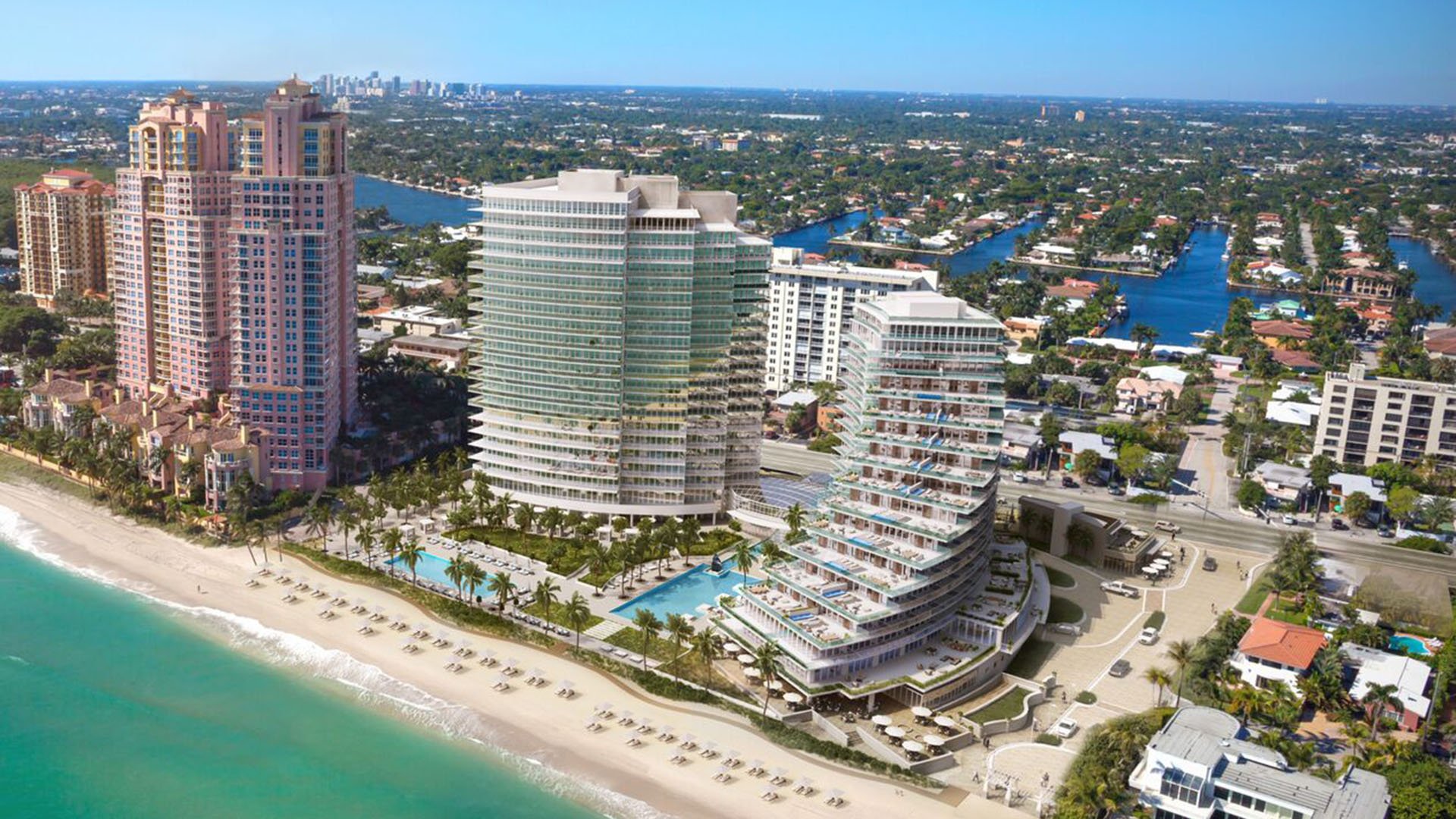
For a buyer considering Four Seasons Hotel & Private Residences Fort Lauderdale, the planning question extends beyond personal preference: will Florida become the permanent home, or remain one address within a broader residential life? Neither answer should be inferred from the purchase alone.
Keep four subjects distinct: Florida domicile, homestead-exemption eligibility, another state’s tax-residency rules, and federal tax residency. Residence management belongs alongside them as an operational responsibility, not as evidence that any tax test has been satisfied.
Florida has no six-month or 183-day minimum for establishing domicile. Spending 183 days in the state does not, by itself, establish it. Domicile centers on making Florida the owner’s true, fixed, and permanent home and principal establishment.
A person may maintain multiple homes but has only one domicile: the place intended to be the permanent home. That distinction matters particularly when an owner expects to retain another residence. The task is not simply to maximize Florida days, but to ensure that the intended permanent home and the supporting records tell a consistent story.
Evidence supporting Florida domicile can include a Florida driver license, voter and vehicle registrations, a declaration of domicile, and records identifying Florida as the principal home. Review which documents apply to the individual; do not treat them as a checklist that guarantees an outcome.
For a Broward buyer evaluating Sixth & Rio Fort Lauderdale, this review should accompany the purchase decision. Define the intended residential role before building a seasonal schedule around an assumed residency threshold.
Homestead exemption is a separate eligibility question. Florida property-tax rules define permanent residence through the present intention to live there indefinitely. A domicile plan is therefore no substitute for reviewing the exemption’s own requirements.
The homestead-exemption filing deadline is generally March 1. Confirm the applicable process with the county property appraiser and place that review on the ownership calendar independently of travel bookings. Do not assume that buying a home, spending a winter there, or assembling domicile documents automatically completes the exemption process.
Maintain a dedicated homestead file, separate from the broader travel ledger. Ask the appropriate advisers to identify applicable eligibility requirements, necessary documentation, and filing steps. The objective is a deliberate decision, not a last-minute application prompted by an approaching departure.
Another state’s tax-residency rules may continue to apply after a Florida move. Its day-count requirements must be evaluated separately from Florida domicile. A calendar built solely around days in Florida can overlook another jurisdiction’s test.
Ask tax counsel to identify the jurisdictions requiring review before setting the annual itinerary. Then keep a day-by-day record of actual whereabouts, including arrival and departure details and supporting travel records. Treat the itinerary as a forecast and the ledger as the record of what occurred. Reconcile changes rather than leaving the original plan untouched.
For non-U.S. citizens subject to the federal substantial-presence test, the general thresholds are at least 31 U.S. days in the current year and 183 weighted days across the current and two preceding years. The calculation counts all current-year U.S. days, one-third of the preceding year’s days, and one-sixth of the second preceding year’s days.
This is a U.S.-presence calculation, not a Florida-only count. Presence in the United States at any time during a day generally counts for this test, subject to applicable exclusions. Ask advisers to apply the relevant rules rather than assuming that every jurisdiction treats a travel day identically.
A qualifying closer connection to a foreign country can provide an exception despite meeting the substantial-presence test, but eligibility and filing requirements matter. An applicable income-tax treaty may also affect treatment and require separate disclosure analysis. Neither should be treated as an automatic fallback after travel is complete.
Once the residential and tax framework is clear, prepare a separate brief for periods away. A buyer considering Auberge Beach Residences & Spa Fort Lauderdale should ask which arrangements would suit the intended pattern of absences, without assuming that a project name establishes a particular service or authorization.
As part of the owner’s planning, identify the proposed primary contact, backup contact, communication preferences, and matters requiring direct approval. Discuss who would coordinate any agreed residence checks, how observations would be documented, and which expenses would require advance consent.
Keep responsibilities specific. Ask whether proposed tasks are included in the relevant agreement and what remains the owner’s responsibility. Have counsel review any delegation of authority where appropriate. These are due-diligence questions, not statements of a uniform Fort Lauderdale management requirement or a particular building’s service offering.
Before departure, ask management and counsel to review the proposed storm-related instructions. Who should receive notices? Who may request work? What spending, if any, may be approved without reaching the owner? What happens if the primary contact cannot be reached?
Request confirmation of applicable access procedures and any limits on the proposed representative’s role. Review insurance questions separately with the appropriate adviser rather than assuming that a management agreement answers them. Keep proposed authorizations subject to the relevant documents and legal review.
The aim is clarity before an urgent decision arises. A private instruction does not guarantee access, service availability, coverage, or permission to act under every circumstance. This is an individualized planning exercise, not a statement of local storm rules.
Before leaving, review the actual travel ledger, the next planned stays, any approaching homestead filing steps, and the current management instructions. Revisit the plan whenever the home’s intended use changes. A seasonal retreat becoming a permanent home deserves a fresh review, not merely a longer reservation in the calendar.
For a high-value residence, the most useful planning document distinguishes intentions, legal tests, and delegated tasks. Keep those distinctions visible, and plan the home around the owner’s life without confusing presence with domicile or convenience with authority.
Explore Fort Lauderdale residences with a more considered ownership perspective at MILLION.
If branded residences are on your mind — as a home or as an allocation — we would be glad to share what we are seeing, privately.
Begin a quiet conversationNo. Florida has no six-month or 183-day minimum for establishing domicile, and spending 183 days there does not establish it by itself.
A person can maintain multiple homes but has only one domicile. It is the place intended to be the permanent home.
Supporting evidence can include a Florida driver license, voter and vehicle registrations, a declaration of domicile, and records identifying Florida as the principal home.
No. Homestead exemption has its own eligibility requirements, including a permanent-residence standard based on the present intention to live there indefinitely.
The filing deadline is generally March 1. Owners should confirm the applicable process with their county property appraiser.
Yes. Another state’s rules may continue to apply and must be evaluated separately from Florida domicile.
For non-U.S. citizens subject to the test, the general thresholds are at least 31 current-year U.S. days and 183 weighted days. The weighted calculation includes all current-year days, one-third of the preceding year’s days, and one-sixth of the second preceding year’s days.
Yes. U.S. presence at any time during a day generally counts, subject to applicable exclusions.
A qualifying closer connection to a foreign country can provide an exception, subject to eligibility and filing requirements. An applicable income-tax treaty may also affect treatment and requires separate analysis.
Discuss contacts, proposed tasks, spending approvals, access procedures, and limits on authority with management and counsel. Treat these as individualized planning questions, not guarantees of access or service.