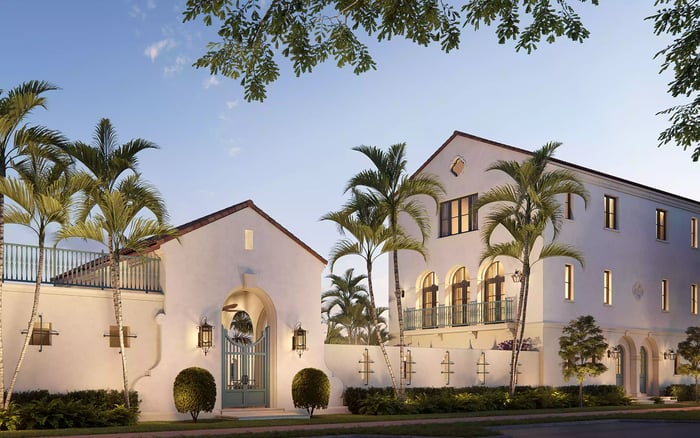
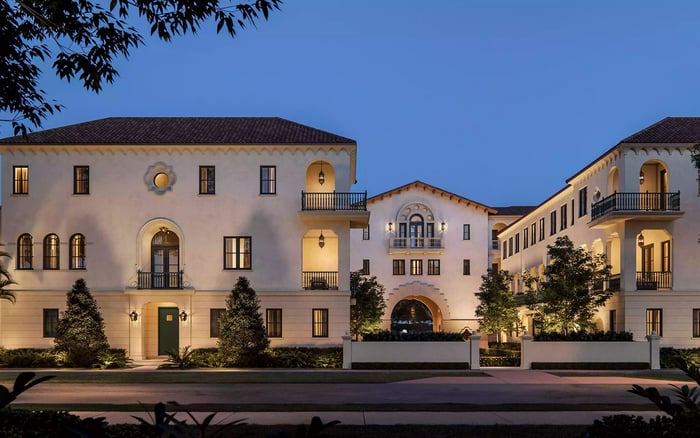
A discreet guide for Greenwich buyers evaluating Coral Gables, with a focus on philanthropic routines, residency planning, family calendars and the practical realities of making South Florida feel primary.
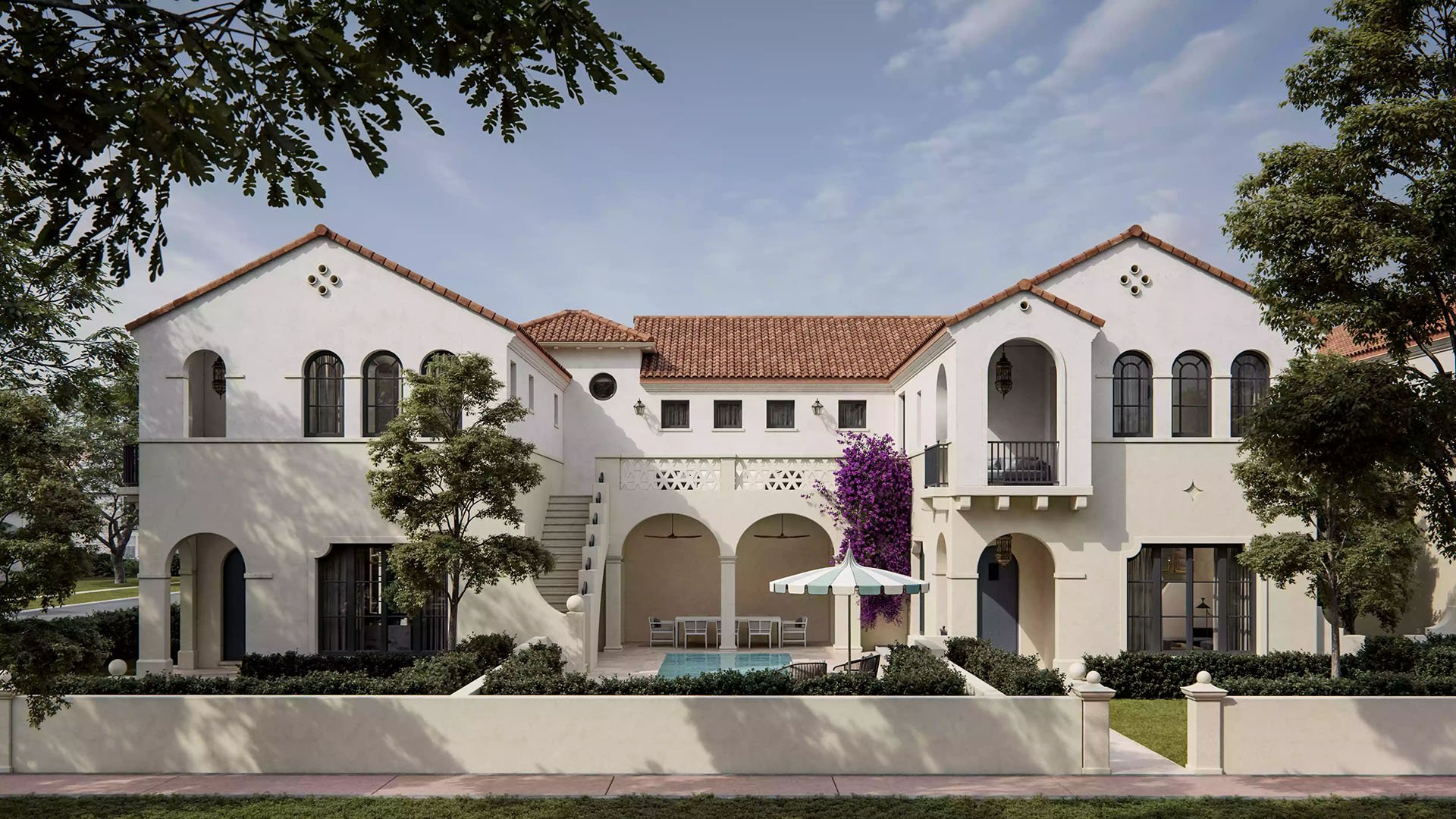
For a Greenwich buyer considering Coral Gables, the conversation is rarely limited to square footage, architecture or the appeal of a warmer season. It is about whether a South Florida home can become the center of gravity for a life that may still include Northeast friendships, charitable obligations, school histories and long-standing club memberships.
That distinction matters. A residence can be beautiful and still function like a retreat. A primary home, by contrast, carries evidence around it: routines, appointments, family calendars, civic commitments, advisors, physicians, worship, recreation and hospitality. For high-net-worth buyers, the most elegant move is the one that feels socially natural and administratively coherent.
This is why charitable calendars deserve a place in the residency conversation. Galas, board meetings and benefit weekends are not background noise. They often reveal where a family is actually living.
Greenwich families often have deep philanthropic roots. Those ties do not need to be erased simply because a Florida home becomes more important. The better approach is to map the calendar before closing, then decide which obligations remain seasonal, which can be attended remotely, and which should migrate into a South Florida pattern.
A buyer who spends the week in Coral Gables, hosts committee meetings in Miami, attends local museum or hospital events, and returns north only for select commitments presents a different picture than one who buys in Florida but keeps the entire social year elsewhere. The question is not whether old loyalties can be maintained. The question is whether the center of daily life has genuinely moved.
This is particularly relevant for the Lifestyle buyer whose social life is purpose-driven. In Coral Gables, philanthropy tends to blend with culture, education, faith communities, civic boards and private entertaining. Buyers looking near The Village at Coral Gables may find that the neighborhood’s walkable, residential scale supports the kind of regular, local presence that makes a move feel established rather than symbolic.
Coral Gables appeals to buyers who are not seeking spectacle. Its draw is measured: mature streets, architectural continuity, club life, proximity to schools and universities, and easy access to Miami’s cultural and financial districts. The tone is refined without being anonymous.
For a Greenwich household, that matters. The move south is often about preserving privacy while adding sunlight, outdoor rooms and a more flexible winter schedule. A residence near Ponce Park Coral Gables can suit buyers who want a polished urban village feeling, with restaurants, offices and cultural errands close enough to support daily use.
Not every buyer will choose Coral Gables proper. Some will look to Coconut Grove for a more tropical, marina-adjacent cadence, particularly if boating or bay access is central to family life. Four Seasons Residences Coconut Grove offers a natural reference point for buyers comparing Gables formality with a softer Waterfront rhythm. Others may prefer Brickell if business travel, banking relationships or weekday efficiency dominate, with St. Regis® Residences Brickell fitting a more vertical, service-led profile.
Florida residency planning is a facts-and-routines exercise. Buyers should work with qualified legal, tax and estate advisors before changing domicile assumptions, but the real estate decision is part of the evidence. Where a family sleeps, receives mail, keeps personal effects, sees doctors, entertains, registers vehicles, votes, worships and manages day-to-day affairs can all become relevant.
The charitable calendar should be reviewed with the same discipline as the financial calendar. If the family remains active on Greenwich boards, define the role. If attendance requires repeated travel north during the season when the Florida home is supposed to be primary, discuss whether leadership responsibilities should be adjusted. If South Florida giving is becoming more important, build that into the annual schedule early.
The point is not to manufacture a paper trail. It is to avoid a mismatch between aspiration and behavior. A Second-home used three long weekends a month is different from a home where the family’s calendar, service providers and community life now revolve.
The most successful transitions are planned around ordinary life. Private-school tours, athletic calendars, medical relationships, club applications, house staffing, pet care, art logistics and guest protocols should be addressed before the first season begins. These details are not glamorous, but they determine whether the residence becomes effortless.
For families with older children, the move may be partial. Parents may establish a stronger Florida rhythm while children remain tied to school, college or early careers elsewhere. That can still be coherent, provided the household is honest about how the home will be used and how family members will document their own patterns.
Buyers should also consider the entertaining profile. A Greenwich host may be accustomed to benefit dinners, garden lunches and weekend guests. In Coral Gables, entertaining often moves outdoors and becomes more frequent, but also more relaxed. The best residence is the one that supports both philanthropy and privacy without requiring the household to overperform.
Before signing, buyers should align the home search with the family’s advisory team. Decide whether the property is intended as a primary residence, a seasonal base or a long-term option that may become primary later. Then make sure the calendar, school plan, staffing plan and philanthropic commitments match that intention.
The wisest Greenwich-to-Coral Gables move is not abrupt. It is curated. Old civic identity can remain intact, but the new Florida life should be substantial enough to stand on its own. When the residence, calendar and community all point in the same direction, the transition feels less like relocation and more like arrival.
Can I keep attending Greenwich charitable events after moving to Florida? Yes. Occasional attendance is different from keeping the entire social and philanthropic year centered in Greenwich.
Do charitable boards matter in a residency review? They can matter as part of the broader pattern of life, especially if meetings, leadership and events consistently occur outside Florida.
Should I join South Florida charities before I close? It can be useful to begin thoughtfully, but commitments should be genuine and aligned with your interests rather than cosmetic.
Is Coral Gables a good fit for former Greenwich buyers? Often, yes. Coral Gables offers privacy, civic life, established neighborhoods and a refined residential atmosphere.
What is the biggest mistake buyers make? Buying a Florida home while leaving all family routines, advisors and social obligations organized elsewhere.
Should residency planning begin before or after the purchase? Before. The home search should reflect the intended use, whether primary, seasonal or transitional.
Can a Second-home later become a primary residence? Yes, but the calendar, records and daily routines should evolve to support that change.
How important are Private-school decisions? They are important because school calendars shape where a family spends ordinary weekdays and weekends.
Does a condo work as well as a house for residency planning? It can, if the residence genuinely supports daily life, family needs, storage, guests and regular presence.
Who should advise on Florida residency? Buyers should coordinate with legal, tax and estate professionals who understand multi-state households.
For a discreet conversation and a curated building-by-building shortlist, connect with MILLION.
If branded residences are on your mind — as a home or as an allocation — we would be glad to share what we are seeing, privately.
Begin a quiet conversation