A discreet guide for Geneva-connected buyers weighing Miami Beach residences, charitable commitments and the practical discipline required for Florida residency planning.
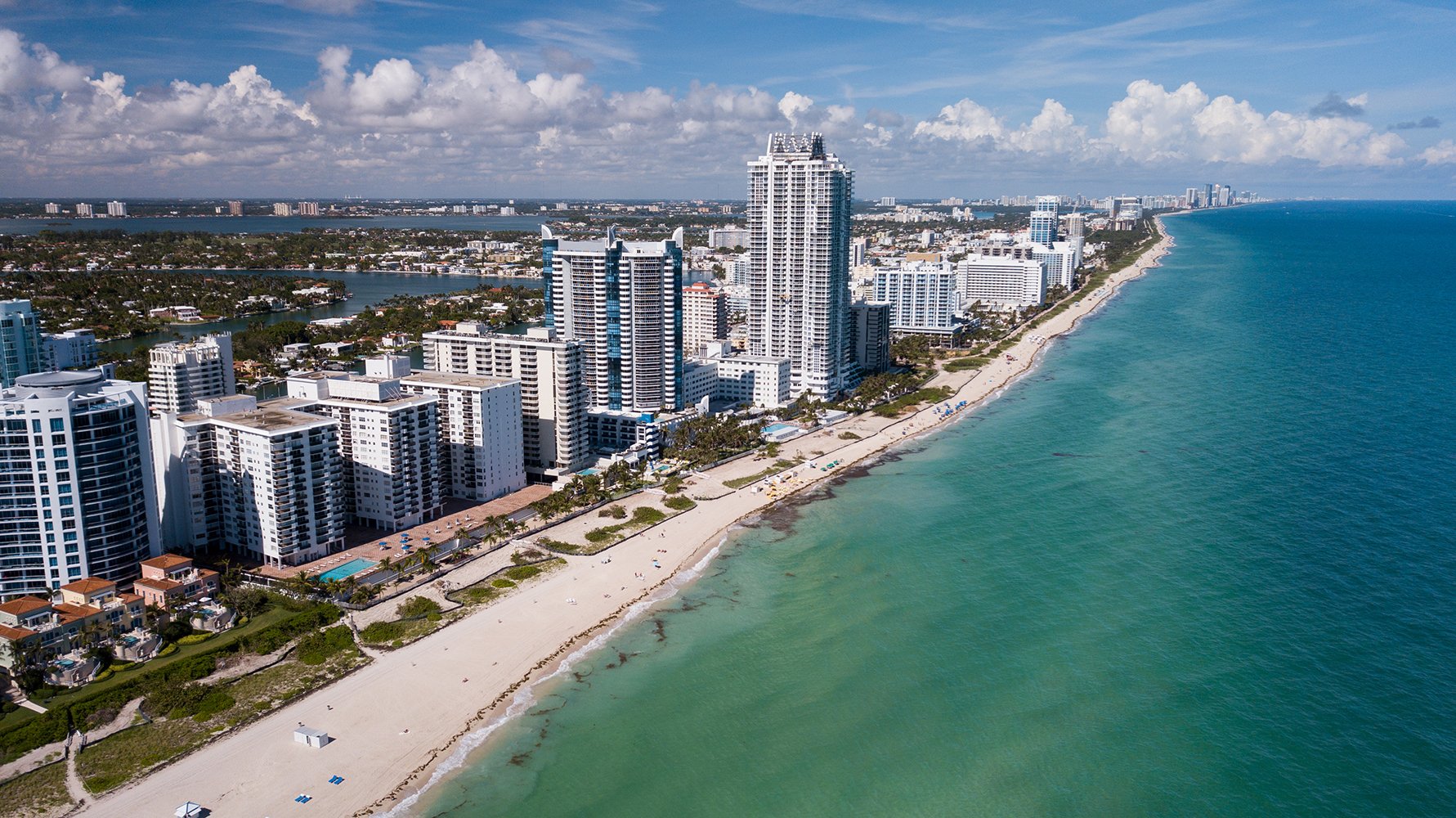
For Geneva families considering Miami Beach, the residence is only one part of the move. The other is the calendar: charity dinners, museum evenings, donor salons, school benefits, family office meetings, healthcare appointments, religious life, and the quiet rituals that define where a household actually lives. A Florida address may be elegant, but residency planning is ultimately measured by consistency, not architecture alone.
That is why charitable calendars matter. They reveal patterns. A buyer who spends meaningful social, philanthropic, and family time in South Florida is building a different personal footprint than someone who simply keeps a seasonal apartment by the water. For internationally mobile families, especially those accustomed to the formality of Geneva, the discipline is less about being visible everywhere and more about being intentional in the right places.
The most sophisticated buyers treat Florida residency as a planning exercise that begins before a contract is signed. Legal, tax, and immigration advisers should be aligned early, because a residence decision can influence travel, records, governance, staff, family scheduling, and the organization of charitable participation. The goal is not theater. The goal is a coherent life that can be documented.
Practical questions come first. Where will the family spend ordinary weekdays, not just holidays? Where will children and extended family gather? Which advisers will be engaged locally? Which physicians, clubs, cultural boards, and charitable committees become part of the household’s regular rhythm? A Miami Beach residence works best when it supports daily life rather than merely representing a beautiful escape.
For a Geneva buyer, this often means designing a year with fewer contradictions. If South Florida is meant to be the principal base, the calendar should not suggest otherwise. If it is meant to be a second home, that should also be clear. Ambiguity is rarely elegant.
Miami Beach offers a distinct proposition for buyers who want proximity to culture, dining, the ocean, and philanthropic life without abandoning privacy. The choice of building should match the way the family intends to live: formal entertaining, quiet wellness, board-level hospitality, beach access, staff circulation, art storage, guest autonomy, and secure arrivals.
A buyer drawn to a contemporary coastal setting may consider The Perigon Miami Beach as part of a broader review of ocean-facing options. Those who prefer a heritage-inflected hospitality atmosphere may gravitate toward Shore Club Private Collections Miami Beach. For families who prize branded service and a controlled private-residence environment, The Ritz-Carlton Residences® Miami Beach belongs in the conversation.
The correct answer is not simply the most dramatic address. A waterfront home may be visually persuasive, but the stronger test is operational: can the residence carry the calendar, protect discretion, receive guests gracefully, and remain comfortable on an ordinary Tuesday?
For Geneva-connected buyers, philanthropy is often embedded in identity. Miami Beach and greater South Florida offer a social environment where cultural giving, medical philanthropy, education, conservation, and the arts can become part of a family’s local presence. The calendar should be curated with the same care as an acquisition.
This is where lifestyle and residency planning meet. Attending one gala is social. Joining a committee, hosting a donor dinner, maintaining local advisory relationships, and returning consistently to the same institutions suggest something more durable. The question is not how many invitations can be accepted. The question is which commitments reflect a genuine center of life.
The Art Basel season is a useful example of how international and Miami calendars can overlap. It can attract collectors, patrons, and families who already move easily between Europe and South Florida. But a serious buyer should avoid confusing a high-profile week with residency substance. The better plan is to build a calendar that extends beyond marquee events into repeatable routines.
This is, in practice, one of the most personal buyer’s guides a family will ever write for itself. The guide is not a brochure. It is a schedule, a set of obligations, and a record of where the household actually belongs.
The Geneva standard is discreet. Miami Beach can accommodate that standard, but only if the residence and calendar are managed together. Some buyers want to host dinners for trustees, artists, and medical leaders. Others prefer a quieter profile, participating through boards, private briefings, or family foundations. The home should support the preferred mode of generosity.
Floor plan matters. Arrival sequence matters. Elevator privacy, service access, guest separation, dining flexibility, and the ability to move from public-facing events to private family time all matter. A residence such as Setai Residences Miami Beach may enter a buyer’s review not only for its name, but for how the address fits a broader pattern of beachside living, hosting, and retreat.
Families should also consider governance. Who manages invitations? Who maintains travel records? Who coordinates advisers across jurisdictions? Who decides which charitable requests align with family values? A sophisticated calendar is not improvised. It is administered.
Before selecting a residence, define the intended role of South Florida. If the plan is to establish Florida residency, ask counsel what steps should occur before, during, and after closing. Then test the home against that plan. The residence should make the desired lifestyle easier to maintain, not harder to explain.
Next, create a philanthropic map. Identify the cultural, educational, medical, and civic relationships that feel authentic. Decide whether the family will simply attend, give privately, host, serve, or take a leadership role. Each level has a different effect on schedule, visibility, and administration.
Finally, pressure-test the calendar. A beautiful plan that collapses under travel demands is not a plan. Geneva, Miami Beach, and other family bases can coexist, but only with clarity. The strongest buyers are not those who collect the most addresses. They are those who know what each address is for.
Why should Geneva buyers think about charitable calendars when buying in Miami Beach? Charitable calendars show how a family actually spends time and builds local relationships. They can help align lifestyle, philanthropy, and residency planning.
Can a Miami Beach condo alone establish Florida residency? A residence is only one element of a broader plan. Buyers should work with qualified advisers to coordinate records, travel, family life, and legal requirements.
Should philanthropy be public or private? Either approach can be appropriate. The better question is which style reflects the family’s values, privacy preferences, and long-term South Florida presence.
Is Art Basel enough to anchor a Miami calendar? No. A major art week can be important socially, but residency planning is stronger when the calendar includes consistent routines beyond headline events.
How early should advisers be involved? Advisers should be involved before a purchase decision becomes final. Early coordination can prevent inconsistencies between the home, the calendar, and the records.
What should buyers look for in a Miami Beach residence? Look for privacy, service quality, guest flow, wellness, access, and a setting that supports ordinary daily life as well as formal entertaining.
Can a second home still be part of a serious family plan? Yes. A second home can be highly strategic if its role is clearly defined and the family does not confuse occasional use with a principal base.
Should charitable commitments be concentrated in Miami Beach? Not necessarily. The commitments should be authentic, manageable, and consistent with the family’s broader South Florida life.
How does privacy affect the choice of building? Privacy influences arrival, staff movement, elevator access, guest handling, and the ability to host discreetly. These details should be reviewed before closing.
What is the most common planning mistake? The most common mistake is treating the residence, travel schedule, and philanthropic calendar as separate decisions. They should be designed together.
If you'd like a private walkthrough and a curated shortlist, connect with MILLION.
If branded residences are on your mind — as a home or as an allocation — we would be glad to share what we are seeing, privately.
Begin a quiet conversation