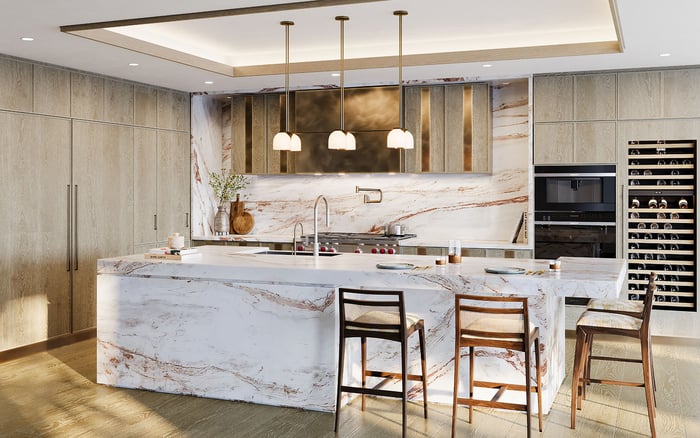
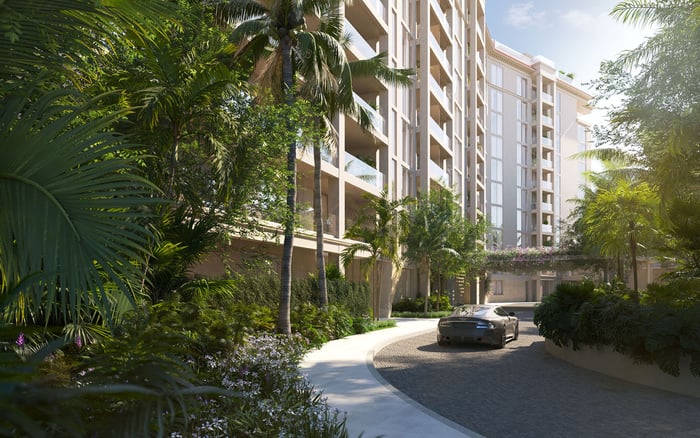
An editorial look at why privacy, controlled access and discreet waterfront living continue to shape Miami’s trophy residential conversation, especially around gated island addresses and Fisher Island residences.
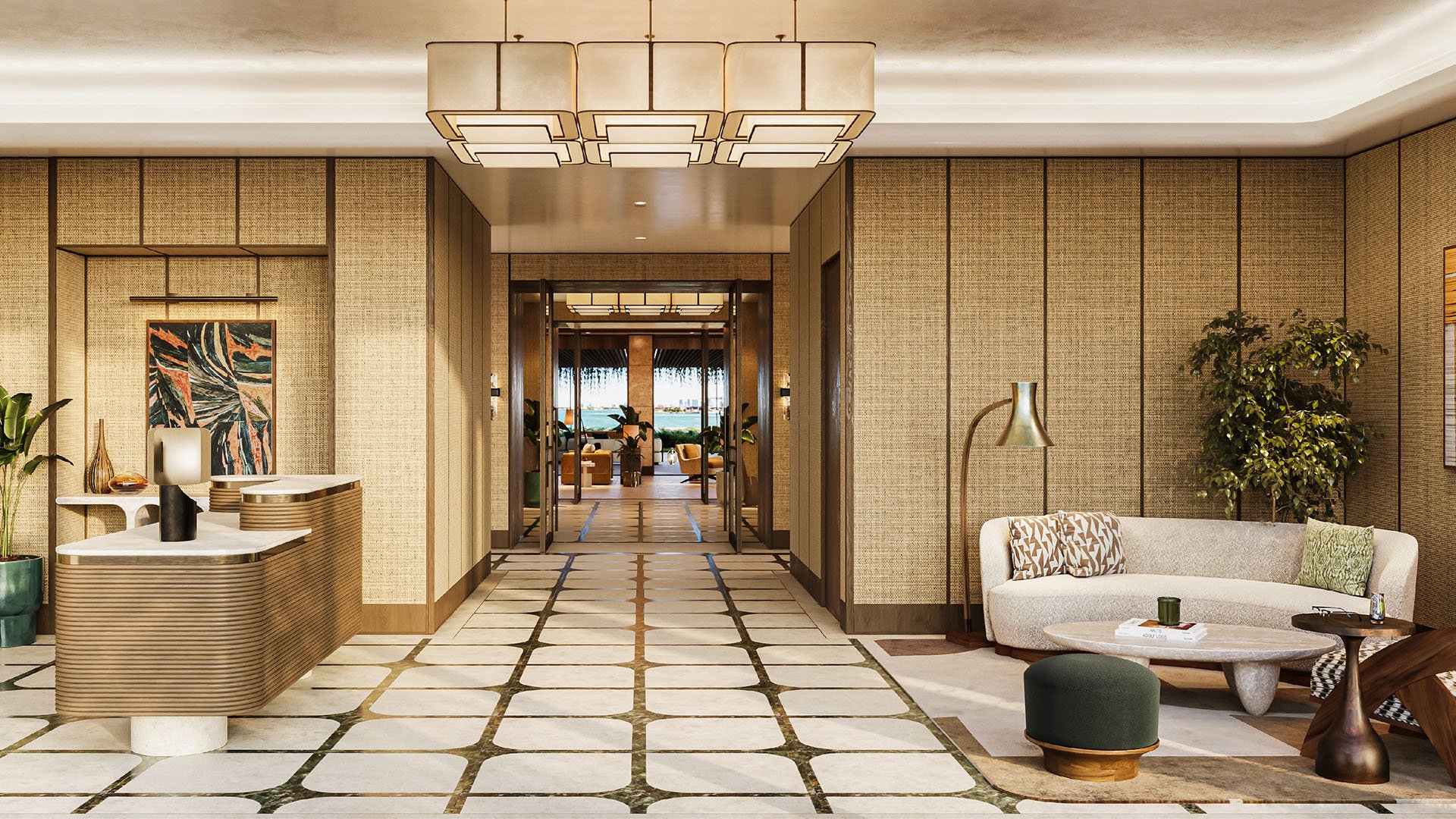
In Miami’s highest residential tier, privacy is not merely the absence of exposure. It is a complete way of living, shaped by arrival, access, architecture, landscape and social rhythm. For the buyer considering gated island living, the question is not only how a property looks from the water, but how well it protects the cadence of everyday life.
That is why the private-island conversation continues to carry such weight. It combines several desires that rarely align so neatly: a sense of removal without surrendering connection, waterfront atmosphere without constant public proximity, and a residential experience where discretion is embedded before the front door is reached. The appeal is not loud. It is deliberately quiet.
For South Florida’s ultra-premium audience, that restraint matters. A home may offer exceptional views, generous outdoor space and refined interiors, but the true test is control. Who arrives, how they arrive, where they wait, what can be seen, and what remains invisible are now central questions in trophy residential demand.
Gated island living endures because it simplifies a complex luxury brief. Buyers at the top of the market often want openness and separation at the same time. They may want to entertain expansively while keeping the household insulated. They may want access to Miami’s dining, culture and private networks, yet prefer a daily environment that feels composed, residential and protected.
This is the emotional architecture of a gated community: a defined threshold between the public city and private domestic life. The gate is not the entire story, but it sets the tone. Beyond it, roads feel more residential, waterfront edges feel more intentional, and movement becomes more predictable. For owners who value routine, security and calm, that predictability is part of the premium.
The same buyer may compare a gated-community setting with an exclusive-area condominium, using Miami Beach or Fisher Island as shorthand rather than rigid labels. What matters is the sensation of controlled access, low-friction arrival and a home environment designed for privacy without sacrificing beauty.
Fisher Island remains one of Miami’s most recognizable references for gated island living because it communicates separation in a direct and intuitive way. Even when buyers evaluate different neighborhoods across South Florida, the Fisher Island idea helps define the upper end of the privacy spectrum: limited access, residential quiet and a social environment intentionally removed from the mainland tempo.
Within that lens, projects such as The Residences at Six Fisher Island and The Links Estates at Fisher Island speak to the continuing demand for homes that present privacy as a full residential experience rather than an isolated amenity. The appeal is not simply location. It is the confidence that the address itself carries a certain etiquette of discretion.
For buyers focused on established private-island addresses, Palazzo del Sol and Palazzo della Luna also sit within the broader Fisher Island conversation. Phrases such as Palazzo del Sol Fisher Island and Palazzo della Luna Fisher Island remain natural because the island identity is inseparable from the residential identity.
In older luxury language, access meant proximity: close to restaurants, close to the airport, close to the beach, close to the financial core. That still matters, but trophy buyers increasingly parse access in a more nuanced way. The ideal residence is close enough to move efficiently through Miami, yet buffered enough that daily life does not feel exposed to Miami.
This is where gated island settings gain strength. The sense of arrival is extended. A guest does not simply step off a sidewalk and into a lobby. A household does not move directly from a busy corridor into private life. The transition is gradual, ceremonial and controlled. In the luxury imagination, that transition becomes part of the home.
New-construction can matter in this context because contemporary buyers often expect privacy to be integrated into planning, not improvised later. Arrival sequences, amenity circulation, private terraces, service access and resident-only environments all contribute to the perception of discretion. The more seamless these elements feel, the less the owner has to think about them.
The best private-island residences do not need to announce themselves. Their value lies in proportion, orientation and restraint. A deep terrace can feel more luxurious than an oversized room if it allows the owner to live outdoors without feeling observed. A thoughtfully placed entry can be more valuable than a grand one if it protects daily movement. The modern trophy buyer reads these details carefully.
Water also changes the privacy equation. It creates distance, reflection and atmosphere. It gives a residence visual depth and a slower pace. Yet waterfront living only becomes truly rare when paired with controlled access. Without that pairing, the view may be exceptional, but the lifestyle may still feel porous.
This is why gated island living is so durable in Miami. It offers an architectural and geographic answer to a psychological need. The buyer is not only purchasing square footage or a view. The buyer is purchasing a quieter field around the home, a sense that the residence can hold private life with grace.
At this level, privacy is an investment in continuity. It supports family life, entertaining, work, wellness and long-term ownership. It can also support resale narrative because future buyers understand the scarcity of controlled waterfront settings. A beautifully designed home may be replicated in some form. A private island context is harder to reproduce.
Governance is part of that equation. Buyers want to understand the character of the surrounding residential environment, the quality of access control, the level of upkeep and the general tone of the community. These are not secondary questions. They shape the daily experience of ownership and the confidence with which a buyer commits.
The most sophisticated purchasers also recognize that privacy has to feel effortless. If it is too visible, it becomes theatrical. If it is too rigid, it can feel defensive. The ideal is quieter: a setting where residents, guests, staff and services move through the property with order, dignity and minimal friction.
A buyer considering gated island living should begin with lifestyle rather than spectacle. How often will the home be occupied? Is the residence intended for family use, entertaining, seasonal retreat or a combination of all three? Does the owner want a social island environment or a more private household rhythm? The answers will determine whether a property’s privacy is practical or merely aesthetic.
Arrival should be studied carefully. So should views, terrace exposure, bedroom placement, elevator or entry sequence, guest parking, service movement and amenity proximity. In the trophy segment, small compromises can become daily irritations, while subtle advantages can feel transformative over years of ownership.
The best properties create a sense of retreat without isolation. They allow residents to participate in Miami on their own terms. That balance is the real reason privacy continues to drive demand: it gives owners the freedom to choose when to be visible and when to disappear.
Why does privacy matter so much in Miami trophy real estate? Privacy shapes the daily experience of ownership, from arrival to entertaining. At the top of the market, control and discretion are central forms of luxury.
Is gated island living only about security? No. Security is part of the appeal, but buyers also value quiet, controlled access, residential rhythm and a sense of separation from the city.
Why is Fisher Island often discussed in this context? Fisher Island is widely associated with private-island living in Miami. For many buyers, it serves as a reference point for discretion and exclusivity.
What should buyers examine before choosing a gated island residence? Arrival sequence, access control, views, service flow, terrace privacy and community character all matter. The goal is effortless discretion.
Does waterfront living automatically mean privacy? Not always. Waterfront exposure can be beautiful, but privacy depends on access, orientation, setbacks, circulation and surrounding context.
How does new-construction influence privacy? New-construction can integrate privacy into planning from the beginning. That may include arrival, amenity access, service movement and residence layouts.
Are gated island homes mainly for seasonal residents? They can serve seasonal or full-time owners. The strongest properties support both retreat and everyday functionality.
What is the difference between privacy and seclusion? Privacy gives owners control without necessarily feeling remote. Seclusion can be more isolated and may not suit every lifestyle.
Can condominium residences deliver gated island privacy? Yes, when the setting, access, building planning and resident experience work together. The result can feel highly private without single-family maintenance.
How should buyers compare island residences with mainland luxury condos? They should weigh convenience against control. Mainland residences may offer immediacy, while island settings often emphasize discretion and calm.
For a discreet conversation and a curated building-by-building shortlist, connect with MILLION.
If branded residences are on your mind — as a home or as an allocation — we would be glad to share what we are seeing, privately.
Begin a quiet conversation