
A revised completion date calls for more than a calendar adjustment. South Florida buyers should distinguish contractual delivery protections from title coverage, revisit funding requirements and exceptions, and understand how endorsements and claims procedures affect their ownership interest.
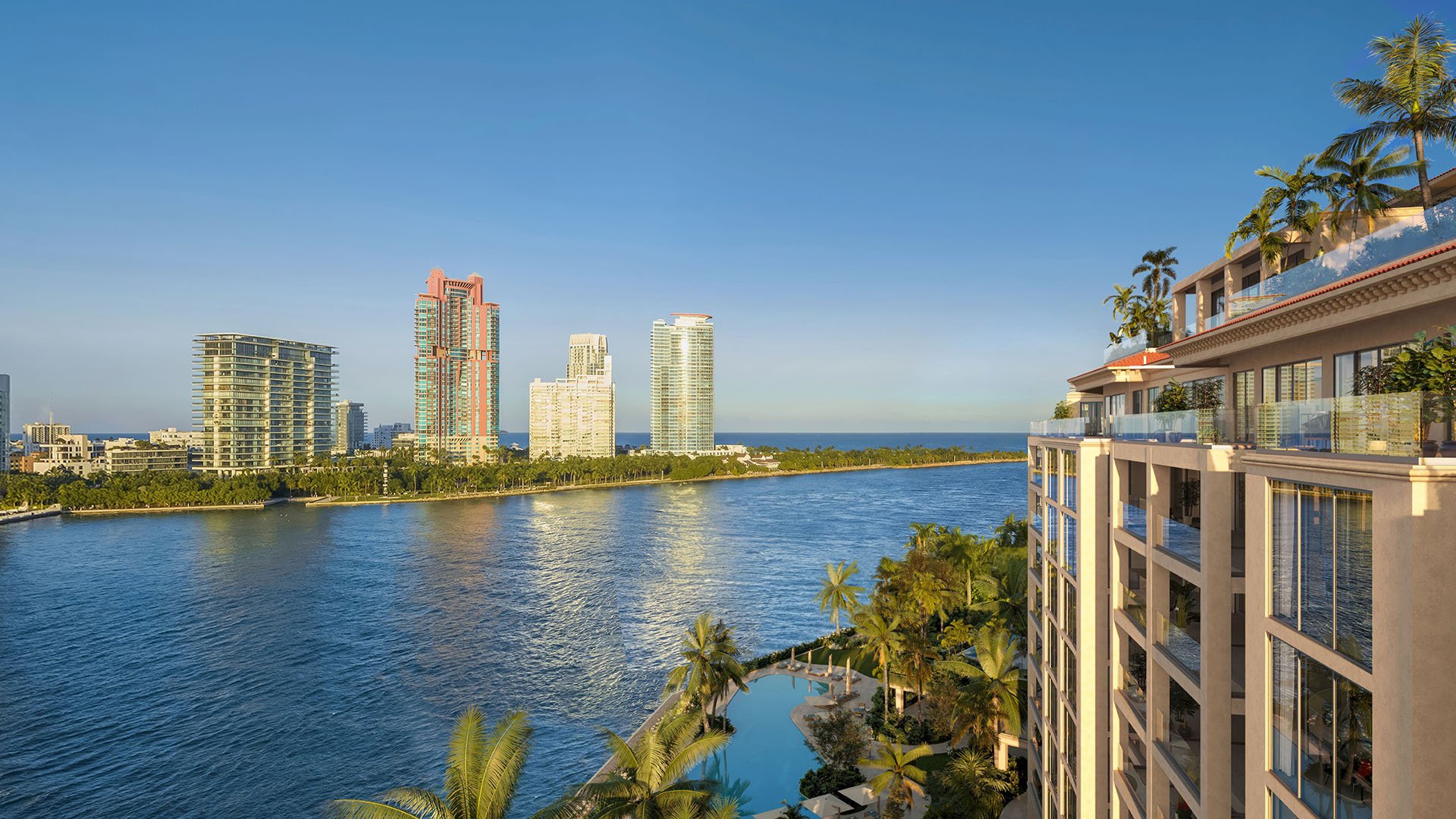
For a South Florida buyer, a postponed completion date can unsettle an otherwise carefully arranged acquisition. The response should be equally considered: revisit the purchase agreement, financing arrangements and title documentation as separate instruments, rather than expecting one to compensate for weaknesses in another.
Title insurance protects against covered title-related loss, including defective ownership, liens and competing legal claims. It does not insure physical condition or timely construction completion. A negotiated delivery promise belongs in the contract discussion, not in an assumption about title coverage.
A buyer considering The Residences at 1428 Brickell can apply the same distinction when planning a Brickell acquisition. These considerations are general, not statements about any named project’s schedule or title.
Construction completion, closing and funding, recording, and the policy date are distinct milestones. When a schedule changes, ask counsel and the closing team to identify each one and explain what must happen before funds are released.
Coverage depends on the policy’s stated date, covered risks, exclusions and exceptions. Extending a purchase agreement does not automatically create unrestricted insurance throughout the contract period. Ask the insurer how the proposed coverage addresses the revised sequence, including the interval between funding and recording. Do not settle for a blanket assurance that there is no gap.
The final policy may arrive after closing because issuance can depend on receiving and recording prior mortgage satisfactions and the new deed. Distinguish the policy’s delivery date from its stated coverage date, and request confirmation of outstanding issuance requirements.
An owner’s policy protects the buyer’s ownership interest. A lender’s policy protects the lender’s secured interest and does not substitute for owner’s coverage. Owner’s coverage is generally issued for the purchase price; lender’s coverage is generally based on the loan amount.
That distinction matters when a financing package appears comprehensive. A lender’s approval of its title protection does not establish that the buyer has equivalent protection, equivalent endorsements or acceptable exceptions.
Before funding, request a separate review of the proposed owner’s policy and loan policy. Ask which endorsements attach to each, what limits apply and which unresolved matters remain outside the buyer’s protection. Direct questions about financing extensions and funding conditions to the lender; title insurance is not an answer to them.
The title commitment identifies requirements for issuing the policy and exceptions to proposed coverage. It should remain a working document throughout any delayed-closing negotiation, not merely a document reviewed when the contract was signed.
For a Miami Beach purchase under consideration at The Perigon Miami Beach, the inquiry should be transaction-specific: what must be satisfied before this buyer funds, and what will remain excepted afterward?
Ask counsel and the insurer whether the revised schedule calls for an updated title search, refreshed affidavits or revised endorsement requests. These are matters for agreement and underwriting review, not automatic additions to coverage.
A written review should identify each outstanding requirement, who will satisfy it, what evidence the insurer needs and which exceptions will remain. Ask the closing team to explain any difference between the reviewed commitment and the policy ultimately delivered.
Schedule B exceptions can materially narrow protection. Depending on the transaction, they may address current-year taxes, occupants’ rights, survey matters, unrecorded easements and unrecorded construction liens. A substantial policy amount does not neutralize an exception for the particular problem that causes a loss.
Florida law provides a route to limiting survey exceptions when a qualifying survey is certified to the insurer and completed within 90 days before closing. A postponement can affect whether that timing requirement is met. Review the survey against the revised closing date.
A survey alone does not satisfy every requirement. The same statute addresses removal of specified possession and construction-lien exceptions when its affidavit requirements are met. Ask counsel which provisions apply and what supporting documentation is needed.
Even when requirements concerning standard exceptions are satisfied, an insurer may still except specific adverse matters it knows about and discloses to the proposed insured. The objective is to understand the remaining exceptions-not to assume that supplying documents removes every title risk.
Endorsements modify coverage for specified matters. Forms can address access, condominium issues and restrictions, but owner’s and loan-policy endorsements are not interchangeable. Never assume that an endorsement benefiting the lender also protects the buyer.
For a West Palm Beach acquisition being evaluated at Alba West Palm Beach, counsel can ask which owner’s endorsements fit the transaction and what underwriting conditions apply. The answer should come from the actual proposed policy package, not a general description of the residence.
Endorsement 9.8-06 addresses covenants, conditions and restrictions for land under development under an owner’s policy. It warrants a targeted coverage discussion; it is not a construction-completion guarantee. Availability and protection depend on the applicable form, underwriting approval and transaction facts.
Policy exclusions differ from transaction-specific exceptions. They generally address matters such as governmental regulation, certain insured-created or undisclosed known defects, and post-policy risks, subject to the form’s express coverage provisions. Do not assume that every later event is excluded-or that every title-related inconvenience is covered.
Contractual delay penalties are not automatically insured title losses. Purchase-agreement liquidated damages and penalties can fall within exclusions. Review proposed delay remedies with counsel rather than relying on the title insurer to fund them.
Likewise, an insurer that cures an insured defect with reasonable diligence generally satisfies its obligations without owing consequential damages for the time taken to cure it. A covered defect does not necessarily produce compensation for every consequence of waiting.
When an adverse title claim appears, provide prompt written notice as required by the policy and cooperate with the insurer’s investigation and any covered defense or cure. Ask counsel to help assemble the relevant documents and confirm the policy’s notice instructions. Do not assume that an informal conversation with the closing team satisfies those requirements.
The disciplined buyer negotiates two distinct protections: contractual terms addressing delivery and title insurance addressing covered ownership risks. Before agreeing to a revised closing, make both explicit, confirm outstanding funding requirements and understand the exceptions that will survive closing.
For a considered approach to South Florida residential opportunities, explore MILLION.
If branded residences are on your mind — as a home or as an allocation — we would be glad to share what we are seeing, privately.
Begin a quiet conversationNo. It protects against covered title-related loss, not timely construction completion or the property’s physical condition.
No. A lender’s policy protects the lender’s secured interest, while an owner’s policy protects the buyer’s ownership interest.
Owner’s coverage is generally issued for the purchase price. Lender’s coverage is generally based on the loan amount.
An extension does not automatically create unrestricted coverage throughout the contract period. Coverage depends on the policy’s stated date, covered risks, exclusions and exceptions.
Review the requirements for policy issuance and the exceptions to proposed coverage. With a revised schedule, ask counsel and the insurer whether searches, affidavits or endorsement requests need updating.

Florida law provides a route to limiting survey exceptions when a qualifying survey is certified to the insurer and completed within 90 days before closing. A postponement can affect whether that timing requirement is met.
No. Specified possession and construction-lien exceptions have affidavit requirements, and the insurer may still except disclosed, known adverse matters.
No. Development-related endorsements address defined title risks, with protection dependent on the form, underwriting approval and transaction facts.
No. Contractual liquidated damages and penalties can fall within policy exclusions, and a diligent cure of an insured defect generally does not require payment of consequential delay damages.
Provide prompt written notice following the policy’s instructions and cooperate with the insurer’s investigation and any covered defense or cure. Ask counsel to help organize the relevant documents.