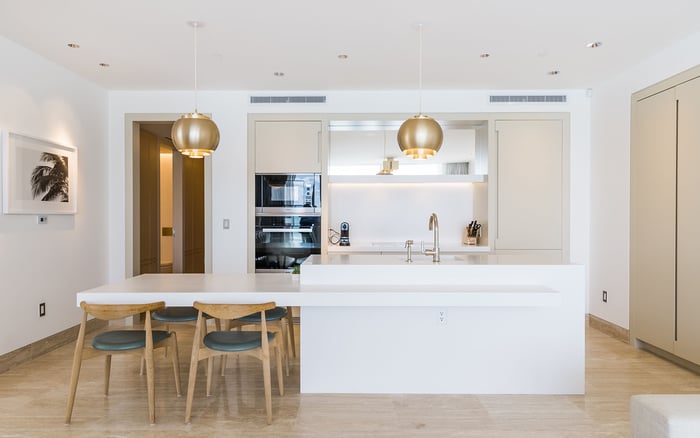
A buyer-focused framework for evaluating the privacy value of full-floor living at Eighty Seven Park Surfside through room-level sightlines, terrace exposure, nighttime conditions, and operational due diligence.
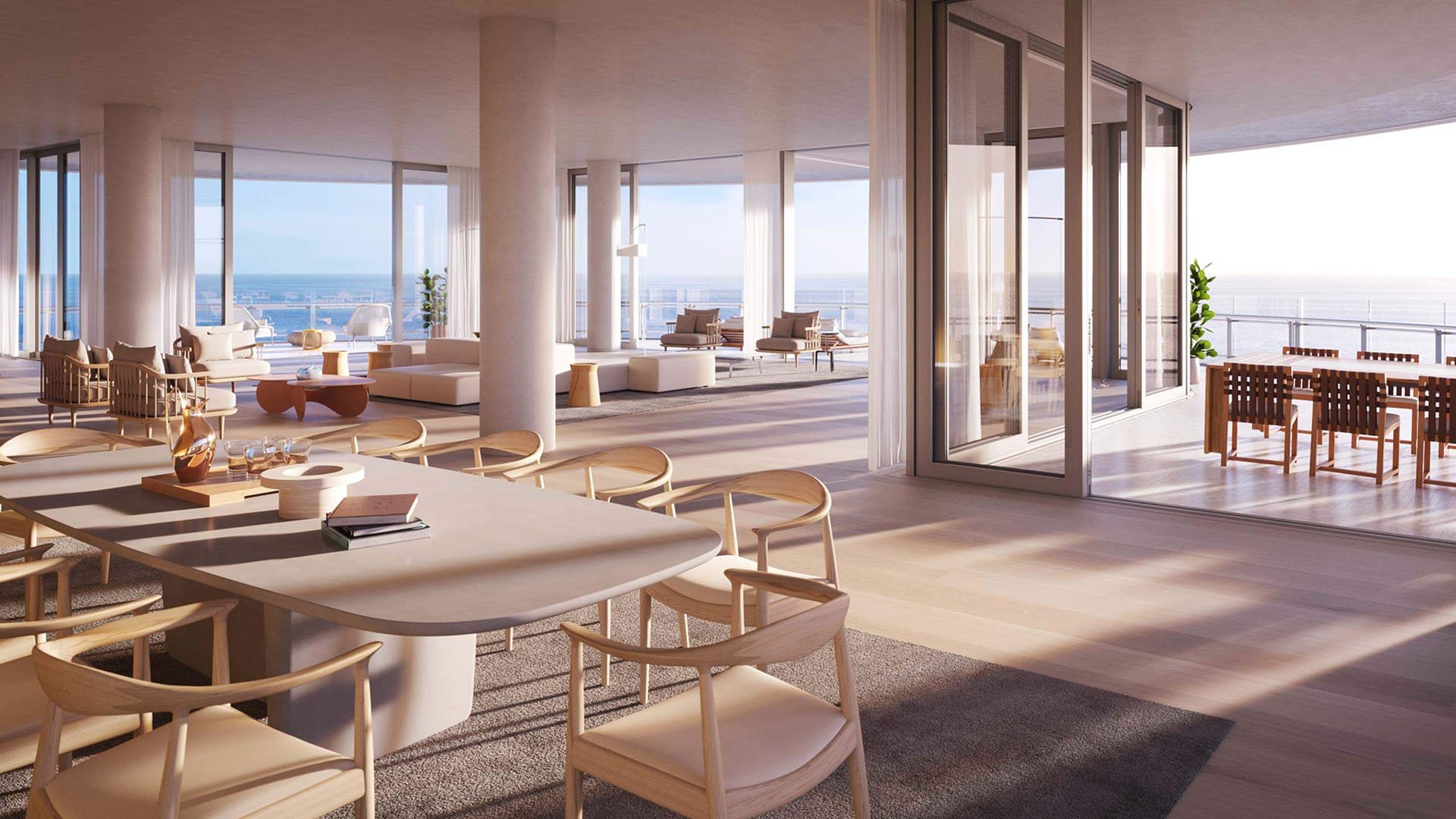
At Eighty Seven Park Surfside, buyers considering a full-floor residence should separate the value of spatial autonomy from the question of visual seclusion. A floor with no other residence may limit certain shared-neighbor interactions, but the lived privacy experience still depends on the specific layout, glazing, terraces, circulation, and surrounding sightlines.
The premium should therefore be assessed as a combination of separation, control, and comfort. Buyers should confirm what spaces are private, which areas are shared, how access works, and whether the residence meets their expectations without depending on assumptions attached to the term “full floor.”
Privacy priorities vary. One buyer may care most about minimizing same-floor residential traffic, while another may prioritize concealed bedrooms, discreet outdoor space, or the ability to entertain after dark without closing every shade.
Before comparing residences, rank those priorities. Then evaluate whether the proposed premium reflects benefits that matter in daily life. A label can describe the residence’s position in a building, but it does not answer how exposed individual rooms may feel or how frequently privacy measures will be needed.
Where a residence uses expansive glazing, daylight and views may come with greater dependence on window treatments. Buyers should test how the glass reads from inside under different lighting conditions and determine whether shades provide suitable coverage for the intended furniture plan.
The same method can guide comparisons with Arte Surfside, The Surf Club Four Seasons Surfside, and 57 Ocean Miami Beach. Each residence should be judged on its actual orientation, room arrangement, outdoor exposure, and observed sightlines rather than on reputation or marketing language.
Begin with the primary bedroom and bath, where tolerance for outside visibility may be lowest. Stand near the glass, move deeper into the room, and repeat the review from seated and standing positions. Test any installed shades through their full range of operation.
Evaluate entertaining areas separately. An open living space may be desirable during the day yet feel different when interior lights are on. Consider how dining, seating, artwork, and television placement could affect the need for shade coverage.
Secondary bedrooms, service areas, and circulation paths also deserve attention because their orientations and exposure may differ. On every terrace, inspect lateral and downward angles as well as possible views back into the interior.
A daytime visit helps reveal neighboring structures, activity around the property, terrace relationships, and the practical reach of direct and reflected light. An evening visit can show how illuminated interiors interact with the glazing and whether the buyer would be comfortable with the resulting visibility.
Do not limit the review to the center of each room. Check sightlines from beds, sofas, dining seats, baths, work areas, and terrace furniture positions. If a condition cannot be observed directly, identify it for further verification rather than treating it as resolved.
Physical separation is only one part of privacy. Buyers should independently confirm elevator access, guest procedures, staff and contractor protocols, security measures, service circulation, window-treatment requirements, and rules governing alterations.
Floor plans and marketing materials should be checked against the residence itself. Buyers should also review applicable condominium documents and consult appropriate professionals before relying on assumptions about access, modifications, or future conditions.
The most useful comparison is not simply full floor versus partial floor. It is the specific residence measured against the buyer’s own privacy hierarchy. Record which rooms feel naturally discreet, which depend on shades, which outdoor areas feel exposed, and which operational details require clarification.
An offer can then reflect observed benefits rather than the residence label alone. Full-floor living may provide meaningful separation, but visual privacy remains a room-specific quality that should be tested directly.
Does a full-floor residence guarantee complete privacy? No. It may improve separation, but room layouts, glazing, terraces, access, and surrounding sightlines still shape privacy.
What should buyers verify about the full-floor designation? Confirm which spaces belong exclusively to the residence, which areas are shared, and how elevator and service access operate.
Why is a nighttime visit important? Interior lighting can change visibility through glass, so an evening inspection may reveal conditions that are not apparent during the day.
Which rooms deserve the closest review? Primary bedrooms, baths, entertaining areas, secondary bedrooms, service spaces, and circulation paths should be evaluated separately.
How should terrace privacy be assessed? Review lateral, downward, and inward sightlines from both seated and standing positions, including views back into interior rooms.
What role do window treatments play? Shades can materially affect visual privacy, so buyers should test their coverage, operation, and compatibility with the intended layout.
Should buyers rely on floor plans alone? No. Plans should be compared with the actual residence because lived sightlines and furniture relationships require direct observation.
What operational details affect privacy? Elevator controls, guest access, staff and contractor procedures, service circulation, and applicable building rules can all matter.
How should buyers compare nearby luxury projects? Use the same room-level and time-of-day inspection method for each residence rather than relying on branding or broad project descriptions.
What is the best basis for paying a full-floor premium? Base the decision on verified separation, usable privacy, terrace exposure, access arrangements, and the amount of shade management required.
To compare the best-fit options with clarity, connect with MILLION.
If branded residences are on your mind — as a home or as an allocation — we would be glad to share what we are seeing, privately.
Begin a quiet conversation