A disciplined framework for Singapore-based buyers comparing cash, securities-backed liquidity, and appraisal protection in Sunny Isles Beach.
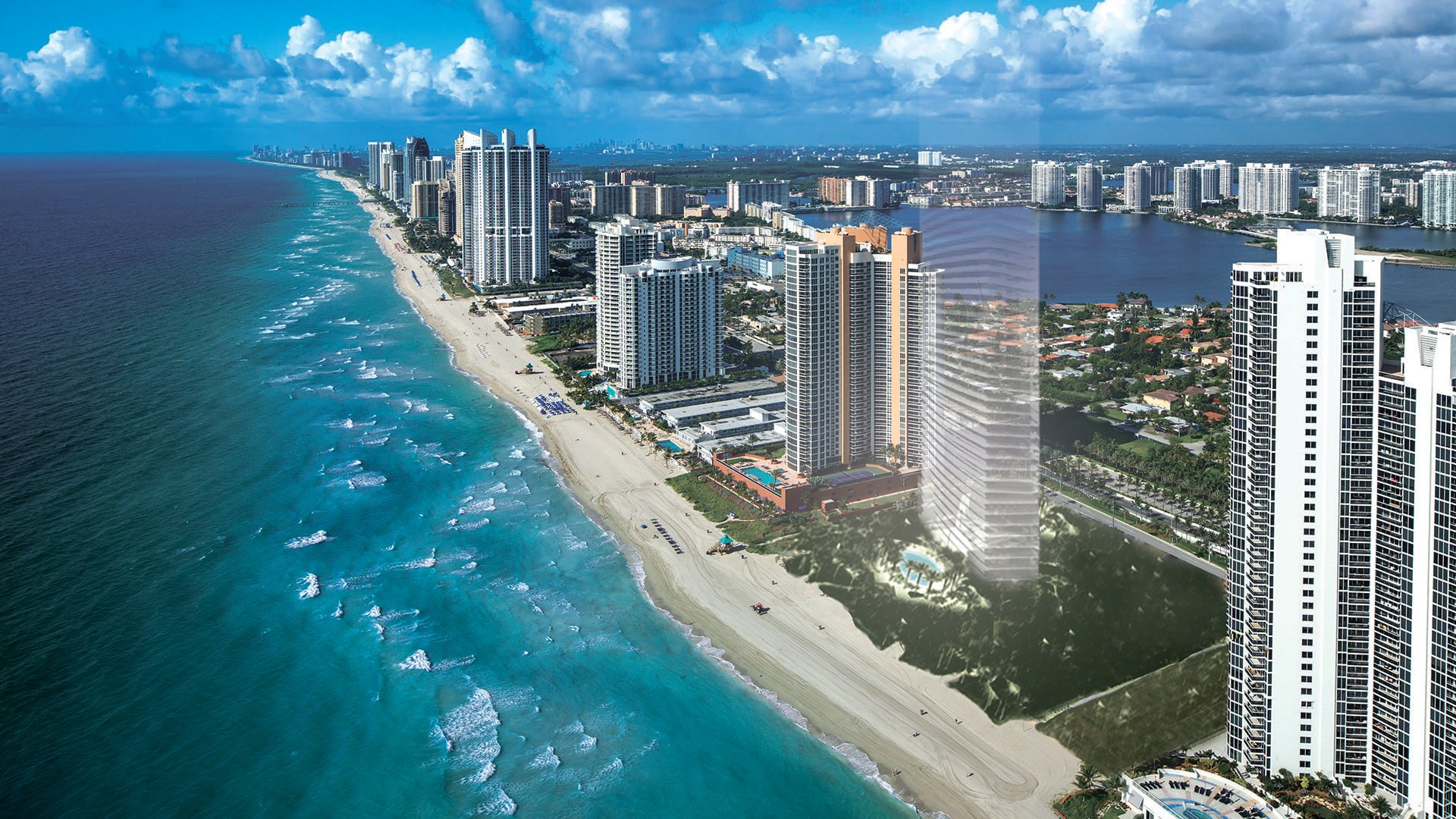
For a Singapore-based buyer, acquiring a Sunny Isles Beach residence involves two distinct decisions: how to present the offer and how to fund the purchase. Keeping the two separate is the foundation of a disciplined strategy.
A cash-form offer may remove a financing contingency, but it does not necessarily mean every dollar must already be held in a transaction account. Liquidity may come from existing cash, investment sale proceeds, business income, a prior property sale, or securities-backed borrowing. The contract, however, determines the buyer’s rights if funding, valuation, or timing becomes difficult.
This distinction matters in a market where cash is familiar. Approximately half of Sunny Isles Beach luxury condo transactions have been cash purchases. In a broader 2025 Miami vacation-home dataset, 76% of condo and townhome sales-and 82% of condo sales above $1 million-were all-cash. A clean offer can therefore be competitive, but simplicity should not be mistaken for an absence of risk.
For MILLION’s Buyer's Guides audience, the central principle is clear: negotiate the contract around the required protections, then build a funding plan capable of performing on schedule.
Entry pricing for investment-grade two-bedroom condominiums in Sunny Isles is roughly $500,000 to $900,000 in 2026, while trophy properties can exceed $2 million. The appropriate capital structure should reflect not only the price, but also the buyer’s intended holding period, portfolio concentration, and tolerance for market movement.
A buyer evaluating Jade Signature Sunny Isles Beach may approach the transaction differently from one pursuing a larger trophy residence at The Estates at Acqualina Sunny Isles. The decision is not simply cash versus borrowing. It is whether the chosen structure preserves adequate liquidity after closing, including capacity for ownership costs and unexpected demands on capital.
For an investment purchase, compare the economic cost and risk of selling assets with those of borrowing against them. For a second-home acquisition, also consider whether retaining a diversified portfolio is more valuable than owning the residence debt-free. Tax consequences and cross-border structuring require advice tailored to the buyer’s circumstances.
A securities-backed line of credit, commonly called an SBLOC, is secured by eligible investments held in a separate pledged brokerage account. It is not secured by the Sunny Isles property. This distinguishes it from a home equity line of credit, which relies on real estate as collateral.
Margin lending may permit borrowing of around 50% of eligible securities’ value, while a bank-issued SBLOC may allow up to approximately 70%, depending on the lender and collateral. These figures are neither target borrowing levels nor guarantees.
Advance rates can change because eligibility and borrowing capacity depend on the portfolio’s market value. A decline may reduce available credit or prompt a demand for repayment or additional collateral. The prudent approach is to establish the facility before submitting an offer and to borrow below the maximum, preserving a cushion against both market and currency fluctuations.
That buffer is especially relevant when the desired home is oceanfront and the closing obligation is fixed in US dollars. An SBLOC may make the offer possible, but it should not become a single point of failure.
Large cross-border transfers proceed more smoothly when the buyer can clearly demonstrate the origin of the specific money or assets being transferred. Salary payments and sale proceeds are examples of information that may establish source of funds, while substantial or unusual transactions can warrant deeper corroboration.
Prepare the file before initiating the wire. Depending on how the wealth was created, useful records may include salary details, bank statements, tax returns, audited financial statements, trust deeds, and conveyancing documents. The objective is a coherent chain showing how the funds were acquired, where they are held, and how they will reach the closing account.
If an SBLOC is involved, coordinate the brokerage account, lender, remitting bank, and closing professionals early. Confirm operational deadlines rather than assuming an international transfer will clear instantly. For a resale condominium, align those steps with the contract’s deposit and closing dates.
A cash buyer can still seek an appraisal contingency. Florida’s separate appraisal rider can make the purchase conditional on a licensed Florida appraiser valuing the property at or above a stated threshold by a specified deadline. If the threshold is left blank in the standard rider, the required value defaults to the purchase price.
If the valuation falls short, the rider can permit termination through timely written notice accompanied by a copy of the appraisal. The buyer may instead waive the contingency and proceed, effectively accepting the difference between the contract price and appraised value. A separate appraisal contingency may permit termination for an insufficient valuation even when financing has otherwise been approved.
The deadline is decisive. Failure to deliver the appraisal and termination notice within the required window can waive the protection. Calendar the deadline immediately after execution and engage the appraiser promptly. Florida counsel should review the current contract and rider forms; older forms should not be treated as substitutes for current legal advice.
Before offering on Bentley Residences Sunny Isles or St. Regis® Residences Sunny Isles, assemble the advisory and execution chain. Confirm the purchasing entity, document the capital source, arrange credit if needed, establish wire procedures, and determine whether valuation protection is essential.
Once under contract, order the appraisal, monitor every notice date, and preserve readily available liquidity beyond the purchase amount. A polished cash strategy is more than a declaration of resources. It is a coordinated plan in which the contract, collateral, currency, documentation, and closing calendar reinforce one another.
Can an SBLOC support a cash-form offer? Yes. It can provide liquidity without being secured by the property, while the contract separately determines whether the offer includes financing protection.
Is an SBLOC the same as a HELOC? No. An SBLOC is secured by eligible securities, while a HELOC is secured by real estate.
Should a buyer borrow the maximum available amount? Not necessarily. Borrowing below the limit can preserve capacity for declines in collateral value and currency movement.
Can a portfolio decline affect closing funds? Yes. A decline can reduce borrowing capacity or lead to a demand for repayment or additional collateral.
Does a cash buyer need an appraisal? Not automatically, but a buyer may negotiate an appraisal contingency as a valuation safeguard.
What happens if the appraisal is low? Subject to the rider, the buyer may terminate with timely notice and a copy of the appraisal, or waive the contingency and proceed.
What if the appraisal threshold is blank? Under the standard rider described here, the required appraised value defaults to the purchase price.
Why is the appraisal deadline important? Missing the required appraisal and notice window can result in waiver of the contingency.
Which source-of-funds documents may be useful? Bank statements, tax returns, salary details, audited statements, trust deeds, and conveyancing records may help establish provenance.
When should Singapore buyers begin preparing? Before making an offer, so credit, documentation, appraisal timing, and wire logistics can be coordinated.
If you'd like a private walkthrough and a curated shortlist, connect with MILLION.
If branded residences are on your mind — as a home or as an allocation — we would be glad to share what we are seeing, privately.
Begin a quiet conversation