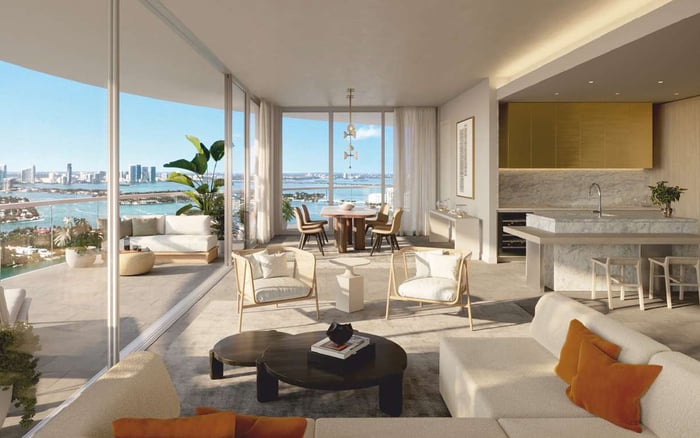
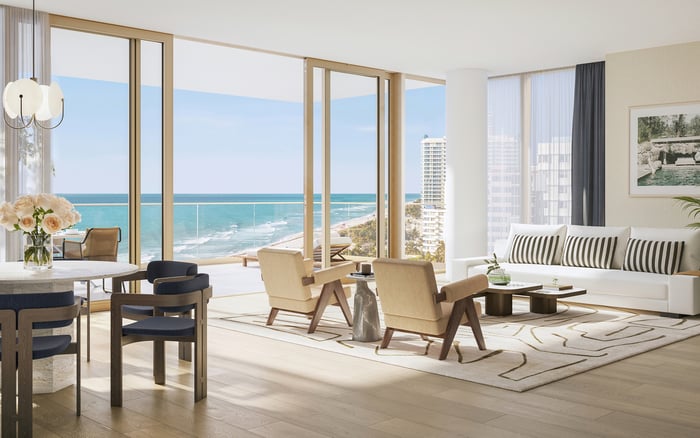
A discreet operating guide for luxury homeowners planning Art Week gatherings, from written approvals and catering logistics to guest control, privacy, and property protection.

For internationally mobile owners, Art Week entertaining can appear deceptively simple: a private dinner, an edited guest list, discreet service, and a view of Biscayne Bay. In practice, the plan must account for building governance, catering, alcohol service, traffic, filming, shared spaces, security, and restoration.
Singapore provides a useful planning discipline rather than a set of rules to import. The relevant lesson for a South Florida host is to treat guest access and shared amenities as controlled privileges. Written permission should define what is allowed before invitations are issued or vendors are retained.
The most elegant Art Week gathering is one whose compliance remains invisible to guests.
Rules from another country, city, or condominium do not determine what is permitted in North Bay Village or Miami Beach. They can, however, prompt the right questions. Is the proposed space available for private use? Must guests remain accompanied? May a caterer use the kitchen? Where can deliveries arrive? When must equipment and decorations leave?
Owners should request the current governing documents and obtain written answers from the people authorized to interpret them. A residence, amenity reservation, or lodging agreement should not be treated as automatic permission for a party, commercial activation, performance, or filming session.
A North Bay Village gathering may involve several decision-makers. The condominium or property owner can govern the residence, amenities, guest access, vendor credentials, elevators, loading areas, and docks. Municipal coordination may also be relevant when a plan affects streets, parking, public areas, noise, or event production.
Buyers considering Continuum Club & Residences North Bay Village or Shoma Bay North Bay Village should request the latest policies instead of inferring event rights from a floor plan, terrace, marina, or amenity description. Management should be asked to confirm guest limits, reservation procedures, insurance expectations, security arrangements, cleaning obligations, loading access, and restrictions on sponsor-branded activity.
Waterfront access can add handoffs among drivers, valet staff, marine personnel, vendors, and building security. The operating plan should identify who controls every arrival point and whether each area is private, common, or public.
Food and beverage service is more than a menu decision. Before signing a vendor agreement, the host should confirm the approvals applicable to the property, service format, alcohol plan, equipment, and event schedule.
A written catering scope should address the expected guest count, service hours, staffing, kitchen use, deliveries, waste removal, rented furniture, breakdown, and final cleaning. It should also establish whether food may be prepared on site, where glassware can be handled, how refuse moves through the property, and when service equipment must depart.
Balconies and terraces should not become improvised kitchens, bar depots, speaker platforms, or storage zones unless the approved plan expressly allows those uses. Keeping service routes clear also protects finishes, preserves egress, and reduces visible back-of-house activity.
A seated dinner, cocktail reception, brand activation, performance, and produced event can create different operational demands. Sound equipment, lighting, generators, temporary structures, filming, livestreaming, valet activity, or unusual deliveries should be disclosed during the approval process rather than added shortly before the event.
The host should confirm current requirements directly with the relevant building and municipal contacts because event rules can depend on the property, date, location, and proposed activity. For a Miami Beach condominium such as The Ritz-Carlton Residences® Miami Beach, building consent and any applicable municipal review should be handled as separate parts of the same plan.
The run of show should include practical fallback decisions. Identify who can reduce sound, adjust arrivals, pause service, reject an unregistered guest, or end the gathering if conditions depart from the approved format.
Privacy during a peak event is an operating system, not a request made at the door. Invitations can prohibit forwarding, unapproved guests, filming, livestreaming, geotagging, and disclosure of the unit number or art collection. Vendor agreements can apply matching expectations to chefs, servers, photographers, florists, drivers, and production staff.
Security should receive one definitive guest list and the name of the single person authorized to approve exceptions. When the property permits it, registration can be positioned away from the residence entrance, and unit details can be disclosed only when necessary. Guest arrivals and vendor loading should follow separate routes where feasible.
If photography is allowed, the host should define the permitted areas, timing, subjects, and distribution. Staff also need a clear response for guests who disregard the protocol; a privacy policy without an enforcement plan offers limited protection.
The entertaining value of a residence depends on governance as well as architecture. A buyer can test the rules with a realistic scenario that includes the proposed guests, caterer, drivers, floral delivery, photographer, music, and service schedule. Specific questions are more useful than asking whether entertaining is generally allowed.
At Tula Residences North Bay Village or another South Florida condominium, diligence can cover common-area reservations, guest registration, event frequency, insurance, security, vendor credentials, elevator protection, deliveries, alcohol, music, cleaning, and commercial-use restrictions. Owners should also ask whether they must accompany guests and how quickly furniture, decorations, and equipment must be removed.
Renters require equivalent precision. Lodging and event use should be treated as separate questions, with the proposed dinner, party, filming, or activation described in writing. Any permission should identify the approved spaces, schedule, vendors, guest parameters, and restoration responsibilities.
The final event file should collect written approvals, relevant permits, insurance documents, vendor contacts, the guest protocol, access routes, parking arrangements, privacy instructions, noise controls, and the restoration plan. A single version prevents the concierge, security team, caterer, drivers, and host from working from conflicting assumptions.
Art Week hospitality feels effortless when operational choices have already been settled. That preparation protects neighbors, staff, artwork, the residence, and the owner’s ability to entertain discreetly in the future.
For discreet guidance on choosing a South Florida residence suited to refined private hospitality, connect with MILLION.
If branded residences are on your mind — as a home or as an allocation — we would be glad to share what we are seeing, privately.
Begin a quiet conversationNo. The owner should review current governing documents and obtain written approval for the proposed spaces, schedule, guests, and vendors.
No. Lodging and event use should be confirmed separately in writing.
The plan should cover staffing, kitchen use, alcohol, deliveries, equipment, waste removal, breakdown, and cleaning.
Vendors should be retained after the host understands the property’s approval process and can give them an authorized scope.
Raise it with the appropriate Village contacts before making commitments and incorporate any required coordination into the event plan.
Only if the property’s written approval expressly permits the proposed use and equipment.
It can prohibit forwarding, unapproved guests, filming, livestreaming, geotagging, and disclosure of residence details.
One designated person should have that authority so security and staff receive consistent instructions.
Ask about guest access, amenity reservations, vendors, insurance, security, deliveries, alcohol, music, cleaning, and commercial-use restrictions.
It keeps approvals, contacts, schedules, access plans, privacy instructions, and restoration duties aligned across the team.