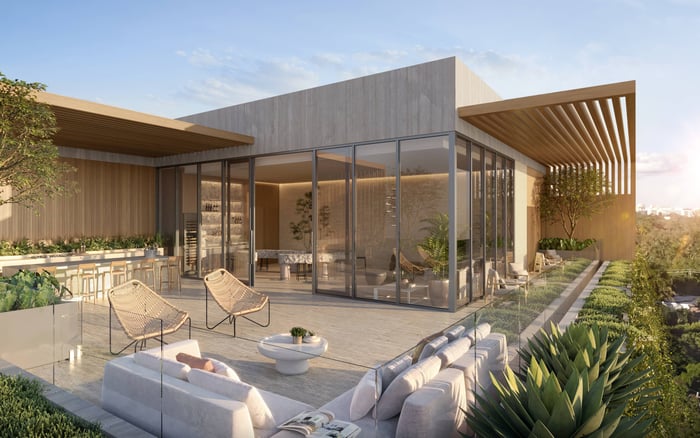
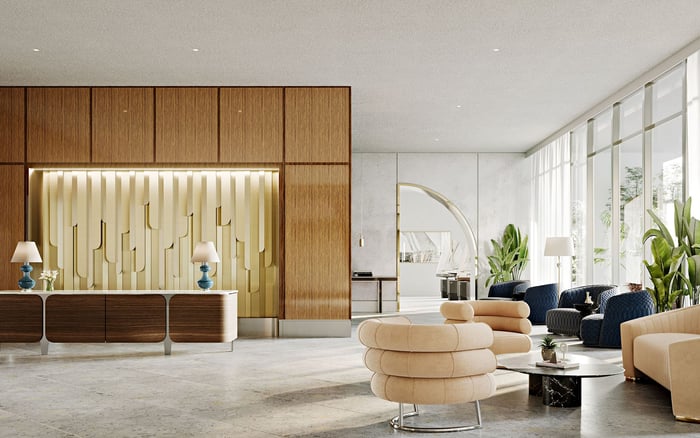
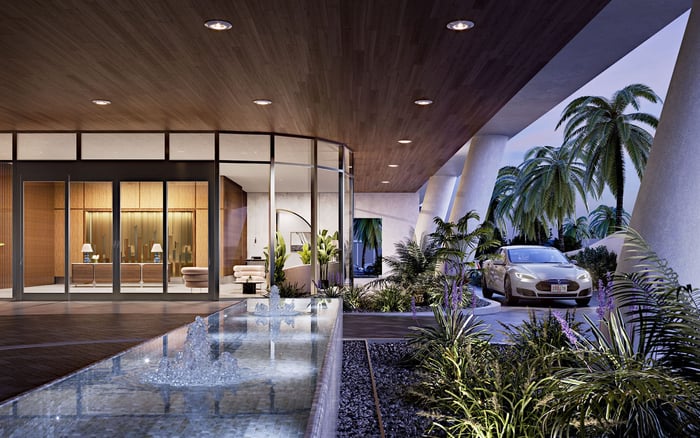
Park Grove’s wine amenities offer an appealing setting for collectors, but ownership diligence should distinguish the advertised experience from documented operating protections. Before closing, confirm storage rights, climate standards, backup-power coverage, delivery procedures, and access to monitoring records.
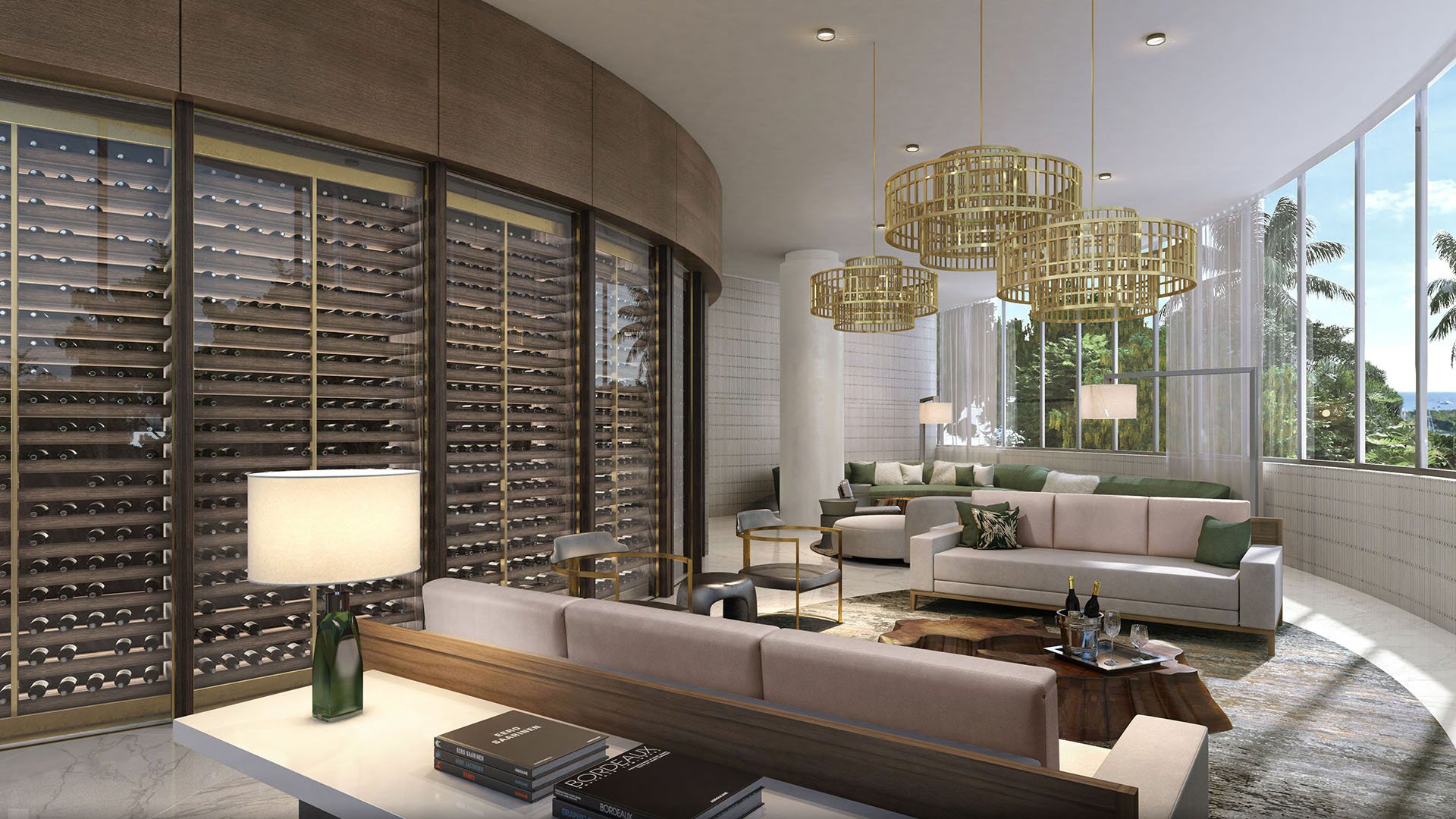
For a collector considering Park Grove Coconut Grove, wine storage deserves the same attention as the residence itself. A tasting room supports entertaining; a private locker offers convenience. Neither, on its own, establishes how a collection is protected during an outage, between delivery and pickup, or through an extended owner absence.
Park Grove’s wine amenities include a cellar, private lockers, and a tasting room. One Park Grove also identifies wine tasting rooms with private wine storage among its amenities. These are meaningful lifestyle features, but the buyer’s task is to translate their promise into defined rights, operating standards, and records.
The distinction is essential: undisclosed specifications do not establish that protection is absent. They establish that it remains unverified. From offer to ownership, the objective is to replace assumptions with written answers before committing a collection to the space.
Begin with the storage arrangement attached to the particular purchase. Ask whether a locker is included, separately assigned, available for an additional fee, or subject to another arrangement. Confirm its identity, permitted contents, access rights, and transferability through the governing documents and transaction paperwork.
A depicted One Park Grove residence floor plan includes a wine cellar measuring 6 feet by 11 feet 2 inches. That detail applies to the depicted plan; it does not establish that every residence includes a cellar. Keep an in-residence room distinct from a shared storage amenity when evaluating the purchase.
For a resale transaction, ask the seller and association to reconcile the locker assignment with the rights the buyer will receive. Have counsel review how those rights should be reflected in the transaction. A walkthrough can establish location and access, but it cannot replace documentary confirmation of entitlement, charges, or restrictions.
A target storage-temperature range, relative-humidity targets, allowable fluctuations, and humidity-control methods have not been publicly specified for the wine amenities. Refrigeration equipment, air-handling design, and whether lockers are individually conditioned also remain unspecified.
Rather than assume a standard, request the actual operating limits for the relevant space. Ask management to identify the temperature and humidity ranges, acceptable deviations, and required response when readings fall outside those limits. Confirm whether the stated standard applies throughout the room or to the assigned locker’s location.
Request HVAC service records and clarify who maintains the equipment. Distinguish the presence of climate-control equipment from evidence of its operation. Equipment descriptions, maintenance history, and monitoring records answer different questions; a collector benefits from reviewing all three.
For buyers also considering Four Seasons Residences Coconut Grove, the same comparison discipline applies: assess each property’s documented provisions independently, without assuming that one development’s services or protections apply to another.
The useful question is not simply whether a building has backup power. It is whether the systems serving wine storage are connected to it-and what happens when normal power fails.
A generator dedicated to Park Grove’s wine-storage area or its climate-control equipment has not been publicly identified. Connection to emergency power, life-safety power, or an uninterruptible power supply remains unverified. Backup runtime, fuel capacity, transfer-switch details, and testing records also remain publicly unspecified.
Ask for written confirmation of which equipment, if any, is covered by backup power. Have the responsible building professional explain the transfer sequence, expected interruption, and restart procedure. Request generator-test records relevant to that coverage, along with outage-response logs and any documented interruptions affecting storage.
If coverage cannot be confirmed, treat it as an unresolved purchase consideration-not proof that protection is absent. Before closing, decide whether the documented arrangement meets the collection’s needs or whether a separately verified storage option should remain part of the ownership plan.
Park Grove’s services include concierge, valet, and butler service. A wine-specific receiving procedure, direct-to-locker delivery, and temperature-controlled holding before owner pickup remain unverified.
Ask management to describe a shipment’s full route: carrier arrival, acceptance, temporary holding, owner notification, and release or placement into storage. Obtain written rules covering delivery windows, authorized recipients, signatures, age verification, and shipments requiring refrigeration or temperature protection.
Then establish responsibility at each handoff. Who may accept a shipment when the owner is away? Where does it wait? Who records receipt and collection? What happens if the package arrives outside the permitted window or the owner cannot collect it promptly?
Chain-of-custody terms and loss-and-spoilage liability have not been publicly specified. Request those terms expressly, and review insurance treatment separately. The purpose is not to assume fault, but to establish responsibility before a valuable delivery enters the building.
Continuous temperature-and-humidity monitoring remains publicly unverified. Sensor specifications, calibration schedules, alarm thresholds, and escalation procedures are likewise not established. Historical climate logs, alarm histories, and wine-storage maintenance records have not been publicly disclosed.
Request a defined period of climate data, such as the preceding 12 months, recognizing that this is a diligence request-not a confirmed retention period. Identify who retains the records, how readings relate to the assigned storage area, and whether gaps can be explained.
Ask for sensor-calibration records, alarm-test records, and the written escalation procedure. Establish who receives an alert, who responds outside routine hours, and how corrective action is documented. A log is more useful when exceptions can be matched to a response and maintenance entry.
The appeal of Coconut Grove living need not be separated from rigorous diligence. Buyers weighing Mr. C Tigertail Coconut Grove alongside Park Grove can apply the same questions without presuming equivalent wine amenities, delivery arrangements, or technical safeguards.
Before closing, assemble a concise file containing confirmed storage rights, written climate limits, relevant maintenance and backup-power records, delivery rules, and insurance clarification. Where an answer remains unresolved, ask counsel and the appropriate technical adviser how that uncertainty should affect the transaction and the collection’s storage plan.
After ownership transfers, confirm access and delivery authorization before scheduling the first shipment. Wine storage becomes genuinely useful when the owner knows not only where bottles belong, but how they are received, protected, and accounted for.
For a considered approach to South Florida residential ownership, explore MILLION.
If branded residences are on your mind — as a home or as an allocation — we would be glad to share what we are seeing, privately.
Begin a quiet conversationYes. Published amenities include a wine cellar, private wine lockers, and a tasting room; One Park Grove also identifies wine tasting rooms with private wine storage.
That is not established. A depicted residence floorplan labels a cellar measuring 6 feet by 11 feet 2 inches, but the detail cannot be extended to every residence.
The reviewed public amenity descriptions do not specify those targets or allowable fluctuations. Request written operating limits for the relevant storage space.
The public descriptions do not establish whether lockers are individually conditioned. Ask management to clarify the equipment and air-handling arrangement.
The public amenity descriptions do not establish backup-power coverage for wine-storage systems. Request equipment-specific confirmation and relevant testing records.
No such guarantee is established by the public descriptions. Obtain written receiving, protected-holding, and locker-placement procedures before arranging shipments.
Request carrier acceptance, delivery windows, owner authorization, protected holding, notifications, signatures, and age-verification requirements. Clarify chain of custody and loss-and-spoilage responsibility.
It is not verified by the public amenity descriptions. Ask for sensor details, calibration records, alarm thresholds, and escalation procedures.
A defined period, such as the preceding 12 months, provides a clear diligence request. This does not imply that such records exist or are retained for that duration.
Confirm locker identity, access rights, fees, transferability, permitted contents, and insurance treatment. Have the governing documents and transaction paperwork reviewed for consistency.