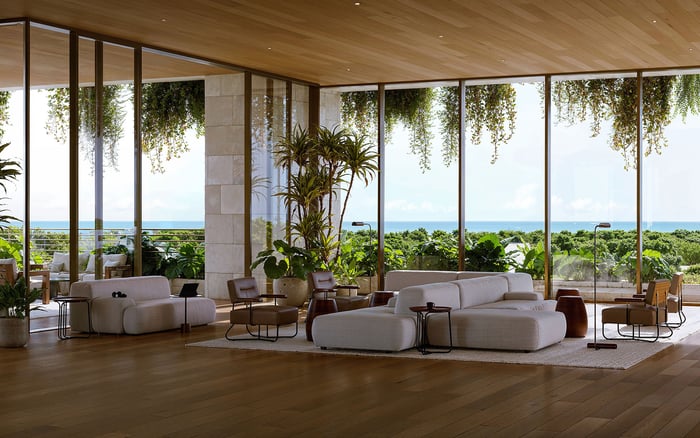
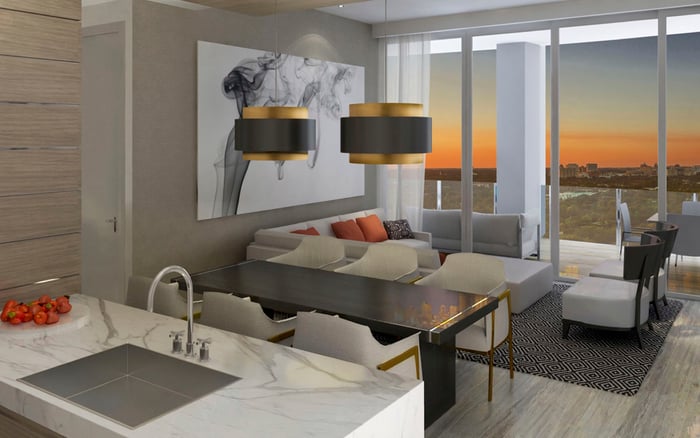
Moving a significant art collection from a Coconut Grove estate to Park Grove calls for a residence-specific plan. Display walls, conservation requirements, delivery access, installation permissions, and insurance should shape the purchase before the collection leaves its existing home.
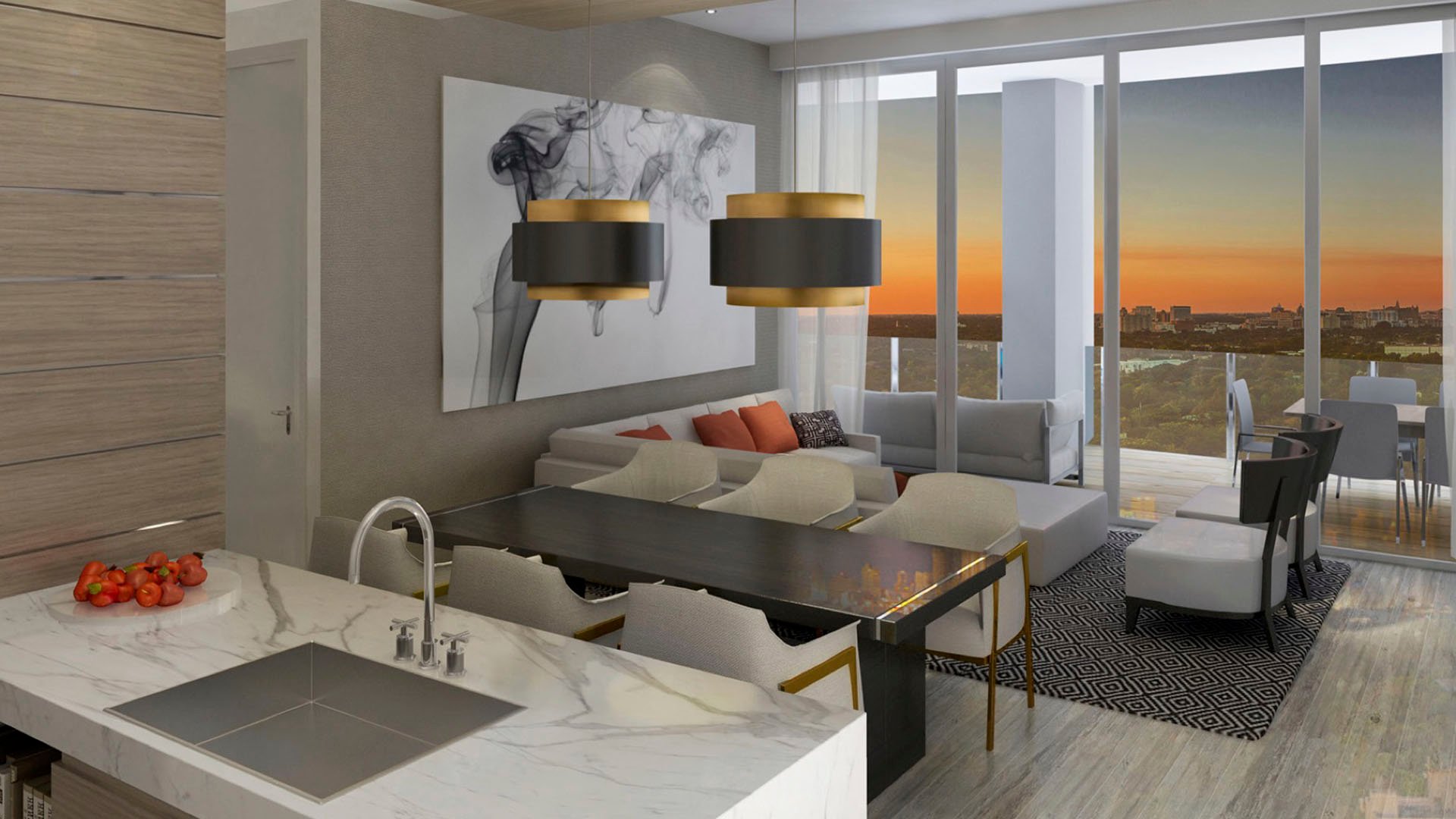
Moving from a Coconut Grove estate to Park Grove Coconut Grove should begin with a curatorial question: which works must remain part of daily life? For a substantial collection, the right residence is not simply the one with enough square footage. It must accommodate the collection's dimensions, viewing distances, conservation requirements, and delivery route without compromising how its owners live.
An estate-to-condominium move is an opportunity to reconsider the relationship between art and domestic space. Some works may anchor the new rooms; others may suit a rotation or professionally managed storage. Establish that hierarchy before furniture plans or a closing timetable dictate the collection's future.
The strongest choice serves both the collection and everyday life.
Commission a measured display plan for the specific residence under consideration. Record uninterrupted wall widths and heights, door swings, switches, outlets, ventilation openings, and furniture positions. Include framed dimensions and required clearances, not just the dimensions of the artwork itself.
A generous room can still offer limited suitable wall space. Glazing, circulation paths, and competing focal points all belong on the same drawing. Position the largest and least flexible works first, then test smaller pieces against seating, sightlines, and movement through the home.
This is where Design & Architecture becomes a practical purchasing discipline. Ask the architect or designer to distinguish existing conditions from proposed alterations. A wall that could theoretically be created should not count as usable display space until its feasibility and required approvals are established.
Nearby buildings can sharpen the comparison, but their specifications are not interchangeable. Grove at Grand Bay has 12-foot-high ceilings, floor-to-ceiling glazing, and 12-foot-deep terraces. Those dimensions belong to Grove at Grand Bay, not Park Grove, and even there they do not establish usable display-wall area or conservation suitability.
For a Park Grove purchase, obtain measurements and operational answers for the actual residence. Ceiling height, an expansive view, and an elegant arrival sequence are not evidence that a collection will fit safely.
If Four Seasons Residences Coconut Grove is also under consideration, apply the same collection-first brief. Compare measured wall capacity, access, and permissions rather than assuming a project's positioning answers the practical questions.
Before assigning works to walls, have a conservator review their sensitivity to light and environmental change. Request a residence-specific assessment of sunlight exposure, proposed shading, lighting, and the operating conditions the collection requires. A preferred hanging position may need to change after that review.
Inspect the intended display areas at different times of day where access permits. Discuss how shading would affect both art protection and the experience of the room. Check any proposed glazing treatment, window covering, or lighting alteration against applicable building requirements.
Ask qualified advisers to evaluate temperature and humidity monitoring, maintenance arrangements, and contingency planning. Do not assume residential comfort settings constitute collection-specific environmental control. The objective is a documented plan suited to the works, not a general assurance that the apartment feels comfortable.
Ask a specialist art mover to survey the complete route from vehicle arrival to final placement. The assessment should account for packed dimensions, handling equipment, turning space, and crew clearances. An artwork that fits the room still needs a feasible route into it.
Request written confirmation of loading arrangements, elevator reservations, permitted moving hours, protective measures, and contractor requirements. Have the mover verify every relevant doorway, corridor, threshold, and elevator opening. Private elevator entry, where present, is not proof of suitable freight access.
For heavy sculpture or unusually large works, obtain professional advice on the proposed route and final position. Structural capacity and any special handling proposal require specific review. Neither a spacious floor plan nor a successful furniture delivery answers those questions.
Before purchase, identify which installations depend on wall reinforcement, electrical work, specialist mounting, or changes to finishes. Ask management for the applicable alteration procedures and have the installation team explain exactly what it proposes. Distinguish permission to move art into the building from permission to install it.
Evaluate a Terrace as a separate placement decision, not automatically as additional exhibition space. For any proposed outdoor work, request advice on material suitability, exposure, anchoring, structural considerations, and applicable building restrictions. Keep the decision conditional until the relevant reviews are complete.
If Opus Coconut Grove enters the search, carry the same questions into the comparison. A consistent installation brief helps distinguish aesthetic preference from a residence's demonstrated ability to accommodate particular works.
Prepare an inventory connecting each work to its dimensions, condition documentation, proposed destination, and handling instructions. Share the relevant information with the conservator, mover, installer, and insurance adviser so every party works from the same plan.
Ask the insurance adviser to confirm coverage throughout packing, transit, any interim storage, unpacking, and installation. Clarify responsibility at each handoff rather than assuming the mover's coverage and the owner's policy address every stage in the same way.
Complete approved preparation before bringing the collection into the residence. Schedule delivery around completed finishes, agreed environmental conditions, and confirmed access. Where temporary storage is necessary, have its suitability and coverage reviewed before the move begins-not after a scheduling conflict appears.
Walk through the proposed arrangement as a home, not merely an exhibition. Consider dining, entertaining, privacy, furniture, and everyday routes between rooms. The collection should have presence without making the residence difficult to inhabit.
For buyers also considering Mr. C Tigertail Coconut Grove, the same test applies: establish which works fit, which interventions are permissible, and which compromises remain acceptable. Keep unresolved conditions explicit in the purchase decision, with advice from the appropriate legal and technical professionals.
A successful move to Park Grove is not measured by how much art arrives on the first day. It is measured by whether the selected works can be displayed, cared for, and enjoyed in a residence that still feels like home.
For a discreet, collection-led approach to your Coconut Grove search, connect with MILLION.
If branded residences are on your mind — as a home or as an allocation — we would be glad to share what we are seeing, privately.
Begin a quiet conversationStart with a measured display plan and the works that must remain in daily view. Evaluate wall space, access, conservation needs, and installation permissions for the specific residence.
No. Grove at Grand Bay's published 12-foot ceiling specifications belong to that development and should not be transferred to Park Grove.
No. Windows, openings, circulation, furniture, and viewing distances can limit suitable display space regardless of total area.
A conservator should review the works' sensitivities and proposed display locations. Coordinate any recommended shading or lighting changes with the design team and applicable building requirements.
The mover should assess the entire delivery route using packed dimensions, handling equipment, and crew clearances. Doorways, corridors, turns, thresholds, and elevator openings all require review.
No. Private entry does not establish freight capacity, clearances, or permission to transport oversized works.
Obtain professional review of the delivery route, proposed placement, structural considerations, and mounting requirements. Confirm applicable approvals before proceeding.
Only after reviewing the proposed work's material suitability, exposure, anchoring, structural considerations, and building restrictions. Treat outdoor placement as a separate decision.
Before packing begins, confirm coverage for transit, interim storage, unpacking, and installation. Clarify responsibility at each custody handoff with the insurance adviser.
Not necessarily. Establish a display hierarchy and consider rotation or professionally managed storage when that better suits the collection and the home.