For New York buyers establishing a permanent home in Bal Harbour, January 1 is the decisive property-tax date. This guide clarifies qualification, filing, portability, residency evidence, rental consequences, and the practical timing decisions to address before closing.
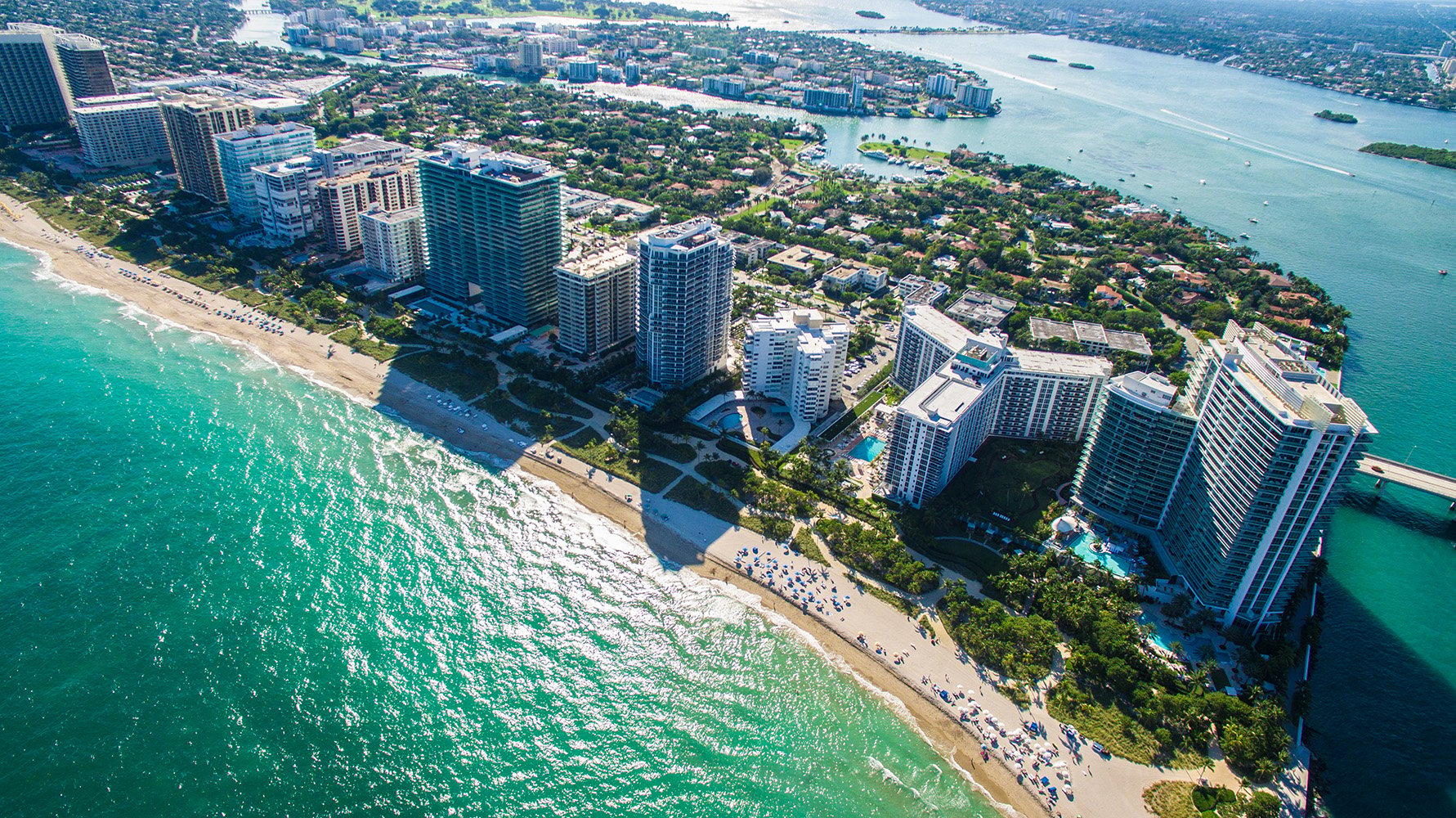
For a New York buyer, acquiring a residence in Bal Harbour is only one part of the Florida homestead equation. To qualify for the relevant tax year, the owner must hold legal or equitable title and occupy the property as a permanent residence on January 1. Ownership without primary, permanent occupancy is insufficient.
That distinction makes the first January 1 after closing the central planning date. A purchaser who closes in December, moves in, and establishes the residence as permanent by January 1 can apply for the new tax year. A buyer who acquires and occupies the property after January 1 generally must wait until the following January 1 to qualify.
The decisive question is not simply when the deed records, but where the owner permanently resides on January 1.
This calendar issue belongs in the acquisition conversation early, particularly when comparing a completed residence at Oceana Bal Harbour with a purchase whose occupancy timeline may extend beyond year-end. The property's availability, closing date, and the owner's actual move should be evaluated together rather than as separate events.
Homestead exemption reduces the home's taxable value and activates Save Our Homes protection. That assessment limitation generally restricts annual growth in assessed value to 3% or the applicable inflation measure, whichever is lower. Over an extended period of ownership, the assessment cap may become more consequential than the initial exemption itself.
For context, the 2025 Miami-Dade homestead exemption amount was $50,722 following a constitutional amendment effective January 1, 2025. Exemption values and filing instructions can change, so owners should confirm the rules for their application year rather than rely on a prior-year figure.
This is an important element of investment planning, but it should not be confused with an income-tax analysis or a complete change of domicile. Florida property-tax homestead qualification and the broader legal question of leaving New York domicile are related yet distinct. Each warrants its own documentation and professional review.
For buyers seeking the earliest available homestead treatment, the cleanest late-year sequence is straightforward.
First, complete the acquisition and establish actual permanent occupancy before January 1. A contract or deed alone is no substitute for living in the residence as the primary home.
Second, align the practical evidence of the move. Florida identification and voter registration can help demonstrate that Florida is genuinely the owner's permanent residence. Buyers should also review their wider affairs with legal and tax advisers, ensuring that their position is coherent rather than dependent on a single document.
Third, file the new homestead application during the standard January 1 through March 1 application period. Bal Harbour owners apply through the Miami-Dade County Property Appraiser. After submission, the county's online system can track the application and confirm that the recorded benefits are correct.
A buyer considering Rivage Bal Harbour should therefore assess the anticipated closing and occupancy schedule through a tax-calendar lens. The first eligible January 1 may influence the transition plan, though it should never displace the residence's suitability as the primary consideration.
Portability allows an owner to transfer eligible Save Our Homes assessment savings from a former Florida homestead to a new Florida homestead, including one in Bal Harbour. It does not transfer the former home's exemption itself. Instead, it applies to eligible accumulated assessment savings.
A New York residence creates no portable Florida benefit because it did not accumulate Save Our Homes savings under a prior Florida homestead. This distinction often resolves confusion surrounding a direct Manhattan-to-Bal Harbour move. The buyer may pursue a new Florida homestead exemption, but there is no New York assessment benefit to carry south.
The analysis changes when the buyer previously maintained a qualifying Florida homestead elsewhere in the state. The portability period is generally three tax years, measured from January 1 of the year in which the prior homestead was abandoned-not simply from its sale date. Portability is requested on Form DR-501T, filed with the new homestead application, typically by March 1.
Because the calculation depends on the prior Florida assessment history, owners should assemble those records before the filing window. Precision is particularly important for buyers returning to Florida after an interval or moving between counties.
Luxury acquisitions are often coordinated with trusts or other ownership arrangements. Homestead requires qualifying legal or equitable title, so the title structure should be reviewed before closing-not after the first January 1 has passed. The objective is to ensure that an otherwise thoughtful estate plan does not create uncertainty about eligibility.
Residency must also be genuine. A second-home purchase used seasonally does not become a homestead merely because the owner prefers Florida's tax environment. The property must be the permanent residence on the qualification date. Buyers deciding between Bal Harbour and nearby options such as The Delmore Surfside should separate the real-estate selection from the legal determination of which home will actually serve as their permanent residence.
Among buyer's guides, the most useful principle is consistency: title, occupancy, identification, voter registration, and the owner's broader conduct should tell the same story. Waterfront ownership may be aspirational, but homestead qualification is documentary and fact-specific.
A residence rented on January 1 is ineligible for homestead exemption and loses its Save Our Homes cap. This makes year-end leasing decisions unusually consequential. Owners contemplating seasonal use or long-term rentals should seek advice before allowing a tenancy to cross January 1.
Once a rental ends, homestead treatment does not automatically reappear. The owner must establish the property as a permanent residence by a future January 1 and submit a new application. The potential assessment consequences make advance planning preferable to attempting a correction after the tax year begins.
The same caution applies to inherited property. An inherited homestead exemption remains applicable only until the next January 1. After that date, the heir must qualify independently. Inheritance, occupancy, and title should therefore be reviewed promptly rather than deferred until the filing deadline.
Before closing, confirm that the proposed ownership structure can support homestead eligibility. Before January 1, establish genuine permanent occupancy and align the evidence of Florida residence. From January 1 through March 1, submit the homestead application and, when supported by a prior Florida homestead, Form DR-501T for portability. Finally, track the application and verify the benefits recorded for the property.
The planning should be coordinated with qualified legal and tax advisers, particularly when New York domicile, trusts, inherited ownership, or rental use is involved. A carefully timed closing can preserve the earliest opportunity to apply, but the underlying facts of ownership and permanent residence remain decisive.
For discreet guidance on selecting a South Florida residence aligned with your move, connect with MILLION.
If branded residences are on your mind — as a home or as an allocation — we would be glad to share what we are seeing, privately.
Begin a quiet conversationThe owner must hold qualifying title and use the property as a permanent residence on January 1 of the relevant tax year.
No. Ownership alone is insufficient because the home must also be occupied as the owner's primary, permanent residence on January 1.
The standard application period runs from January 1 through March 1 for the relevant tax year.
Yes, if the buyer closes, establishes permanent occupancy by January 1, and files the application by the applicable deadline.
A buyer who acquires and occupies the residence after January 1 generally cannot qualify until January 1 of the following year.
No. Portability requires eligible Save Our Homes savings from a prior Florida homestead.
The owner files Form DR-501T with the new homestead application, typically by March 1.
It is generally three tax years measured from January 1 of the year in which the prior Florida homestead was abandoned.
The property is ineligible for homestead exemption and loses its Save Our Homes cap for that period.
No. It remains applicable only until the next January 1, after which the heir must qualify independently.