A disciplined first-year ownership plan for Dallas buyers considering Miami Beach, separating recurring obligations from optional services, furnishing, assessments, and liquidity reserves.
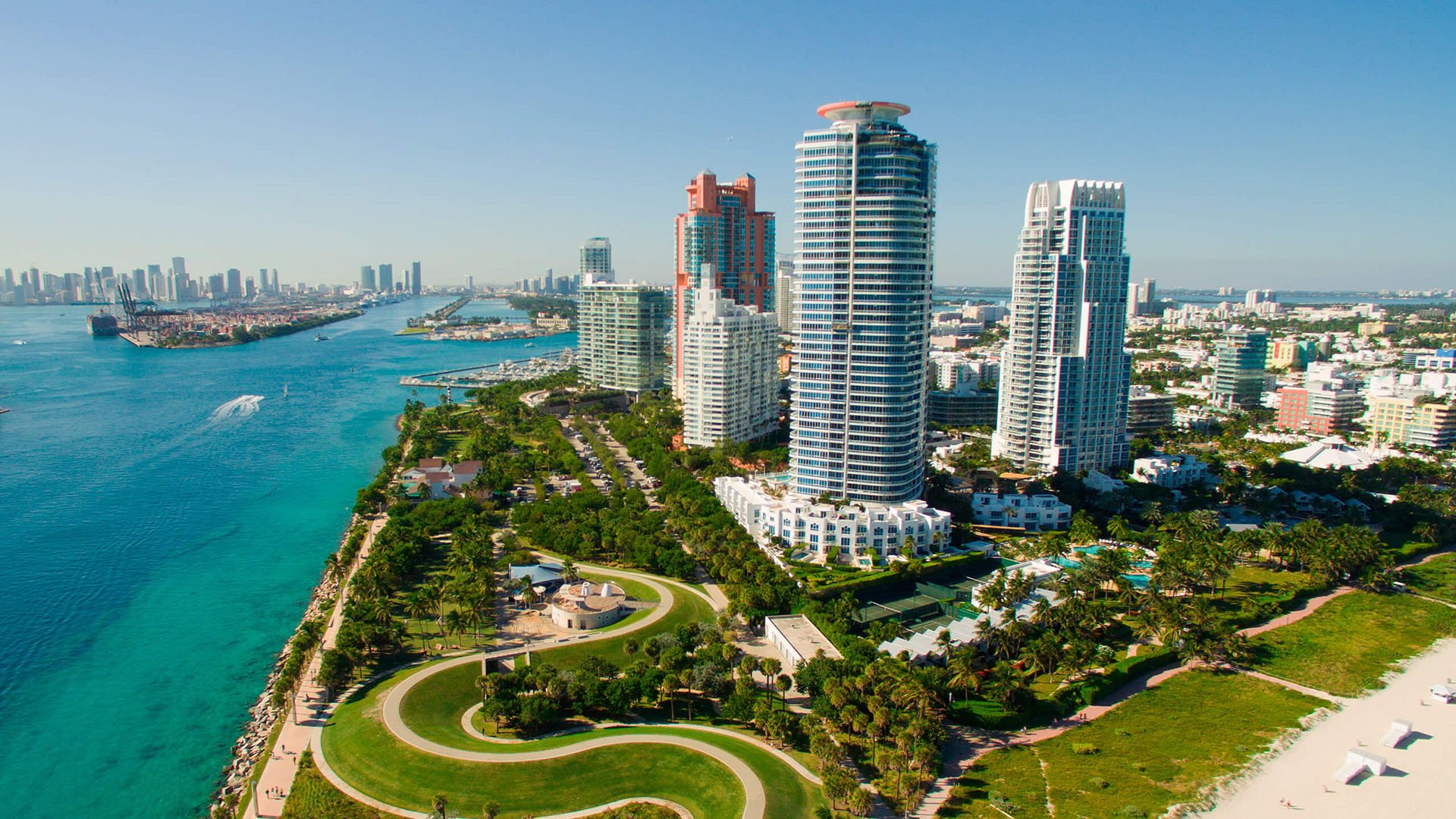
For a Dallas buyer, a Miami Beach residence is both a personal retreat and a set of financial commitments. The question is not simply what ownership costs each month. It is how much cash must be available, when it will be needed, and which expenses remain discretionary.
Start by defining whether the property will be a permanent home or a part-time address. That distinction informs homestead eligibility and establishes a realistic service and furnishing brief. When considering Five Park Miami Beach, for example, place the intended occupancy pattern beside the financial worksheet before deciding which conveniences merit the expense.
A Dallas budget is a useful inventory of personal preferences, not a substitute for property-specific Miami Beach figures. Build the plan around the selected residence rather than an assumed city-to-city cost difference.
Use distinct schedules for acquisition spending, recurring operations, furnishing and installation, known assessments, and an emergency reserve. If financing is involved, track its cash requirements separately rather than folding them into condominium operating costs.
The operating baseline is straightforward: monthly association dues multiplied by 12, plus separately payable charges, selected services, owner-paid insurance, and modeled property taxes. Check every line against what dues already include. Reserves or services funded through the association should not appear again as separate recurring costs.
Maintain two views of the budget: a normalized annual cost and a month-by-month payment calendar. The annual figure helps compare residences; the calendar reveals when payments cluster. Keep the emergency reserve visible as liquidity set aside, not as money necessarily spent during the year.
A quoted monthly association fee is a starting point, not assurance that future costs will remain unchanged. Request the current budget, the residence’s dues schedule, separately payable charges, known assessments, and available inspection and reserve-study documentation. Distinguish confirmed amounts from planning allowances.
For a residence under consideration at 57 Ocean Miami Beach, use those documents to establish what the quoted payment covers. Apply the same review to every alternative, without treating a higher or lower fee as a verdict on value.
Florida residential condominium and cooperative buildings with three or more habitable stories fall within the milestone-inspection framework. Inspections are generally required at 30 years and every 10 years thereafter, although local circumstances can trigger an inspection at 25 years. Covered condominiums also face structural-integrity reserve-study requirements, generally on a 10-year cycle.
Confirm the building’s applicable schedule, including any exceptions or extensions. For an older condominium, read the inspection and reserve documentation before treating monthly dues as a dependable forward budget. Ask how identified obligations align with approved funding and any separately payable assessments.
Convenience deserves its own spending decision. Request an itemized schedule of available optional services, then distinguish included access from separately charged use. An amenity description establishes neither a service entitlement nor its price.
When evaluating Setai Residences Miami Beach, make the same distinction between the residence itself and the optional arrangements actually available to that owner. Confirm terms in writing rather than budgeting around expectations associated with a name.
Create base-use and higher-use scenarios reflecting your intended stays. Ask about billing frequency, minimum commitments, and cancellation terms where relevant. This keeps optional spending adjustable and distinct from mandatory carrying costs.
Request both the association’s master-policy documents and proposed unit-owner coverage. Have an insurance professional reconcile coverage responsibilities, exclusions, deductibles, and premiums before entering a final figure in the worksheet.
Ask specifically about flood, windstorm, and loss-assessment coverage. Resolve each through the policies rather than assuming the building or an owner’s policy supplies the protection. Keep premiums separate from potential deductible exposure.
If master-policy costs are already reflected in dues, do not count the same premium twice. Record the owner’s quoted premium separately, and use documented coverage gaps and deductibles to inform the emergency reserve. A premium alone does not capture the full cash exposure.
Use the expected post-purchase assessment rather than the seller’s current tax bill. A change in ownership can alter assessment limitations and exemptions. A purchase after January 1 may retain the previous owner’s homestead exemption and assessment limitation for that year, making the acquisition-year bill an unreliable guide to subsequent ownership costs.
Keep both an acquisition-year cash estimate and a forward tax allowance. Tax estimates using proposed 2026 millage rates are planning figures, not final bills. Reconcile any tax amounts allocated at closing with the payment calendar to avoid double-counting.
Homestead benefits require a qualifying permanent residence. A part-time Miami Beach home should not automatically receive homestead treatment in the budget. Applications are generally due March 1 for the tax year sought, and portability eligibility should be verified separately rather than assumed.
Save Our Homes applies to qualifying homesteaded properties, not to a newly purchased non-homestead residence. Assessment-increase limitations are not caps on total tax bills. The 2026 limitations also do not apply to new construction-another reason to model the specific purchase rather than extrapolate from a prior bill.
Furnishing belongs outside recurring carrying costs. Commission a room-by-room estimate covering furniture, delivery, installation, window treatments, and outdoor pieces where relevant. Clarify what the purchase includes before allocating money to replacements or additions.
For a residence being considered at Apogee South Beach, base the scope on the actual unit and intended use, not a generic allowance tied to its address. Separate what is needed for the first stay from purchases that can wait until you have lived in the space.
Map quoted deposits, balances, delivery charges, and installation payments to expected dates. This prevents furnishing commitments from competing unexpectedly with tax, insurance, or assessment payments.
Before committing, consolidate the documents into one decision sheet: confirmed recurring obligations, chosen services, tax assumptions, furnishing commitments, known assessments, and reserved liquidity. Date each quote and identify what needs reconfirmation.
The strongest plan does not depend on expenses arriving evenly. It makes uneven payments visible and preserves room to adjust discretionary spending without compromising essential obligations. That is the practical foundation for enjoying the residence rather than continually recalculating its demands.
For a considered Miami Beach residence search, connect with MILLION.
If branded residences are on your mind — as a home or as an allocation — we would be glad to share what we are seeing, privately.
Begin a quiet conversationNo. Model the expected post-purchase assessment because ownership changes can alter assessment limitations and exemptions.
A purchase after January 1 may retain the previous owner’s homestead exemption and assessment limitation for that year. Subsequent ownership costs may therefore differ.
No. The estimator uses proposed 2026 millage rates, so its result should remain a planning estimate.
No. Homestead benefits require a qualifying permanent residence; applications are generally due March 1 for the tax year sought.
Multiply monthly dues by 12 and add separately payable charges. Do not count services or reserve contributions twice if they are already included.
Covered buildings generally require milestone inspections at 30 years and every 10 years thereafter, with local circumstances potentially triggering inspection at 25 years. Confirm the building-specific schedule and applicable exceptions.
Request master-policy documents and proposed unit-owner coverage, including premiums, exclusions, and deductibles. Have flood, windstorm, and loss-assessment coverage clarified.
Use itemized prices and confirmed terms to build base-use and higher-use scenarios. Keep optional spending separate from mandatory obligations.
Include room-by-room purchases, delivery, installation, window treatments, and outdoor pieces where relevant. Schedule the quoted payments separately from recurring ownership costs.
Keep it visible as liquidity set aside rather than money necessarily spent. Use documented deductibles, coverage gaps, and property obligations to inform the reserve decision.