For Forté on Flagler buyers, post-turnover financial diligence means looking beyond monthly dues. Reserve contributions, borrowing terms, and potential assessments offer distinct ways to fund future obligations, each requiring careful review of association records.

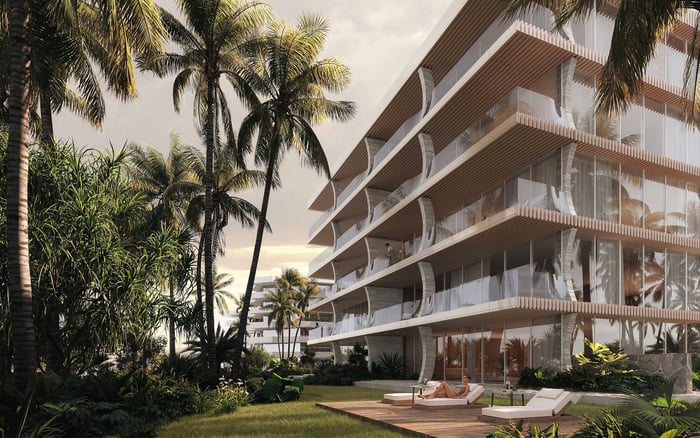
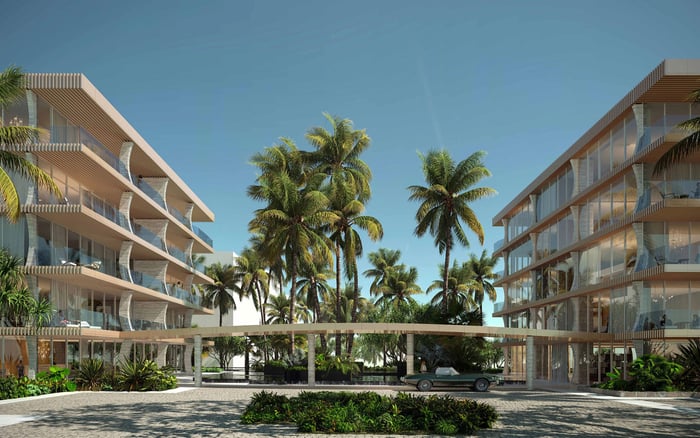
At Forté on Flagler West Palm Beach, a 41-residence waterfront condominium at 1309 South Flagler Drive, the ownership conversation should extend beyond the residence itself. For a buyer planning a long-term hold, the association’s approach to future capital spending warrants scrutiny alongside the purchase price and monthly carrying costs.
The central question is not simply whether dues appear reasonable today. It is whether regular contributions, accumulated reserves, and any borrowing strategy form a coherent plan for meeting future obligations. A reserve account alone does not establish financial readiness.
This is a forward-looking framework for evaluating post-turnover finances, not confirmation of Forté’s turnover status, current dues, reserve balances, borrowing, or pending assessments. Higher contributions, a credit facility, and special assessments are possible scenarios, not announced Forté decisions. The distinction matters: prudent diligence tests exposure without treating a hypothetical expense as an existing liability.
An operating budget covers the building’s day-to-day expenses: utilities, management, routine repairs, landscaping, insurance premiums, and payroll. Reserves address major, infrequent expenditures, including roof and elevator replacements, pool-deck work, exterior painting, and structural repairs.
For buyers, these raise two distinct questions. Is the association collecting enough to operate the property? Is it also setting aside an appropriate amount for future capital work? An operating surplus does not, by itself, answer the second question.
A reserve study estimates future replacement costs and recommends annual funding. It provides a benchmark for evaluating both the accumulated balance and the pace of contributions. The useful inquiry is not “Does the building have reserves?” but “How do those reserves and planned contributions compare with anticipated needs?”
Nor should every reserve dollar be treated as unrestricted cash. Whether a particular account can fund an insurance deductible or a discretionary amenity improvement requires document-specific review. Those expenditures should not automatically be assigned to structural reserves.
One possible post-turnover approach is to increase regular contributions toward future capital needs. If the funding schedule calls for more than the current budget provides, higher contributions could help close the gap over time.
For an owner, this would mean a higher recurring outlay rather than relying entirely on a later lump-sum charge. A dues increase is therefore neither inherently reassuring nor inherently troubling. Its significance depends on what the additional collections fund and how closely they follow the reserve study.
Request current and prior budgets, with operating expenses and reserve contributions clearly distinguished. Compare the contribution trend with reserve balances and the study’s recommendations. Lower monthly dues are not necessarily the more conservative financial choice if major obligations remain underfunded.
Buyers also considering Alba West Palm Beach can apply the same test to each property independently. The meaningful comparison is funding relative to anticipated needs, not a ranking of headline dues. That comparison alone should not determine a conclusion about either association’s finances.
Association borrowing is another possible funding mechanism. Where reserves are insufficient, a board may consider a loan or line of credit, with repayment supported by future owner assessments. Whether that approach is available and properly authorized requires review of the relevant documents and terms.
The essential distinction is between funding an expense now and bearing its cost over time. Borrowing may change when owners pay; it does not eliminate the underlying obligation.
If a credit facility exists, request its details rather than relying on a general statement that financing is available. The diligence package should identify the facility’s terms, outstanding borrowing, and repayment obligations. It should also clarify whether future capital plans assume additional debt.
Read the financial statements alongside those documents. They help identify operating surpluses or deficits, reserve accounts, and disclosed debt or credit facilities. For Forté, these are questions to resolve through association records, not evidence that a credit line has been established or used.
A special assessment is a one-time or limited-term association charge for expenses not covered by regular dues and reserves. It is distinct from a fine or late fee. Depending on the funding plan, it may take the form of a single charge or collections over multiple years.
Potential triggers include exterior restoration, garage work, major mechanical or elevator replacements, and insurance-related funding gaps. These are general condominium-finance possibilities, not identified Forté projects or defects.
An association may also consider a combination of accumulated reserves, additional owner collections, and borrowing. The buyer’s task is to understand the full funding plan rather than evaluate each component in isolation. Even a manageable installment must be considered alongside regular dues and any separate repayment obligations.
Underfunded reserves increase assessment exposure when major work exceeds accumulated funds. Conversely, a current disclosure of no special assessment does not rule out future assessments. Review the assessment history and discussions of upcoming work, not just the latest approved charge.
Board minutes can connect financial statements to the choices an association is considering. Proposed projects, funding shortfalls, and assessments under discussion may matter before a charge is formally approved.
A focused buyer review should bring together:
Current and prior operating budgets, including annual reserve contributions.
Reserve balances and the reserve study’s recommended funding.
Financial statements showing operating results and disclosed borrowing.
Existing credit-facility documents, loan balances, and repayment terms.
Assessment history and board minutes addressing future projects or funding needs.
The objective is consistency. Do the budgets reflect the intended reserve contributions? Do the statements disclose debt that the buyer has accounted for? Do the minutes describe spending not yet incorporated into the buyer’s ownership-cost expectations?
For someone weighing Forté against Shorecrest Flagler Drive West Palm Beach, applying the same document questions supports a more disciplined comparison without assuming the properties share funding policies or obligations.
The most useful post-turnover question is not whether Forté will ever raise dues or levy an assessment. It is how a proposed funding plan would translate future building needs into owner obligations-and whether those obligations fit the buyer’s intended holding period and liquidity preferences.
Confirm turnover status separately, then evaluate the actual budget, reserve position, borrowing terms, and assessment discussions. Precision preserves the distinction between an attractive residence and a well-understood ownership commitment.
For a discreet perspective on West Palm Beach residences and ownership considerations, explore MILLION.
If branded residences are on your mind — as a home or as an allocation — we would be glad to share what we are seeing, privately.
Begin a quiet conversationForté on Flagler is a 41-residence waterfront condominium at 1309 South Flagler Drive in West Palm Beach.
No. Turnover status should be confirmed separately through association records before evaluating post-turnover obligations.
It covers day-to-day expenses such as utilities, management, routine repairs, landscaping, insurance premiums, and payroll.
Reserves address major, infrequent expenditures such as roof and elevator replacements, pool-deck work, exterior painting, and structural repairs. Permitted uses require review of the relevant documents.
Compare reserve balances and annual contributions with the reserve study’s estimated needs and recommended funding. The existence of a reserve account alone does not establish adequacy.
Higher contributions are a possible way to address future capital needs when the existing funding schedule is insufficient. This article does not identify an announced Forté increase.
This article does not establish that Forté has a credit facility. Buyers should request facility details, outstanding balances, and repayment terms from the association.
It is a one-time or limited-term association charge for expenses not covered by regular dues and reserves. It is distinct from a fine or late fee.
No. A current disclosure does not rule out future assessments, so buyers should also review board minutes, proposed projects, and potential funding shortfalls.
Review financial statements, credit-facility documents, outstanding loan balances, and repayment terms. Ask whether future capital plans assume additional debt supported by owner assessments.