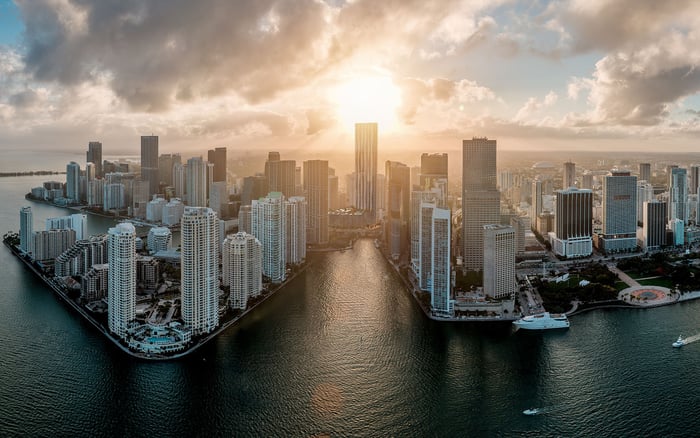
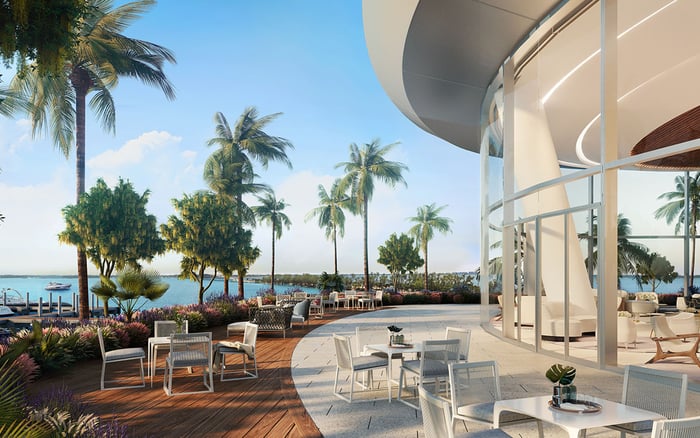
A buyer-focused comparison of Forté on Flagler West Palm Beach and ORA by Casa Tua Brickell, centered on marina diligence, guest arrival choreography, and back-of-house operations rather than brand language alone.
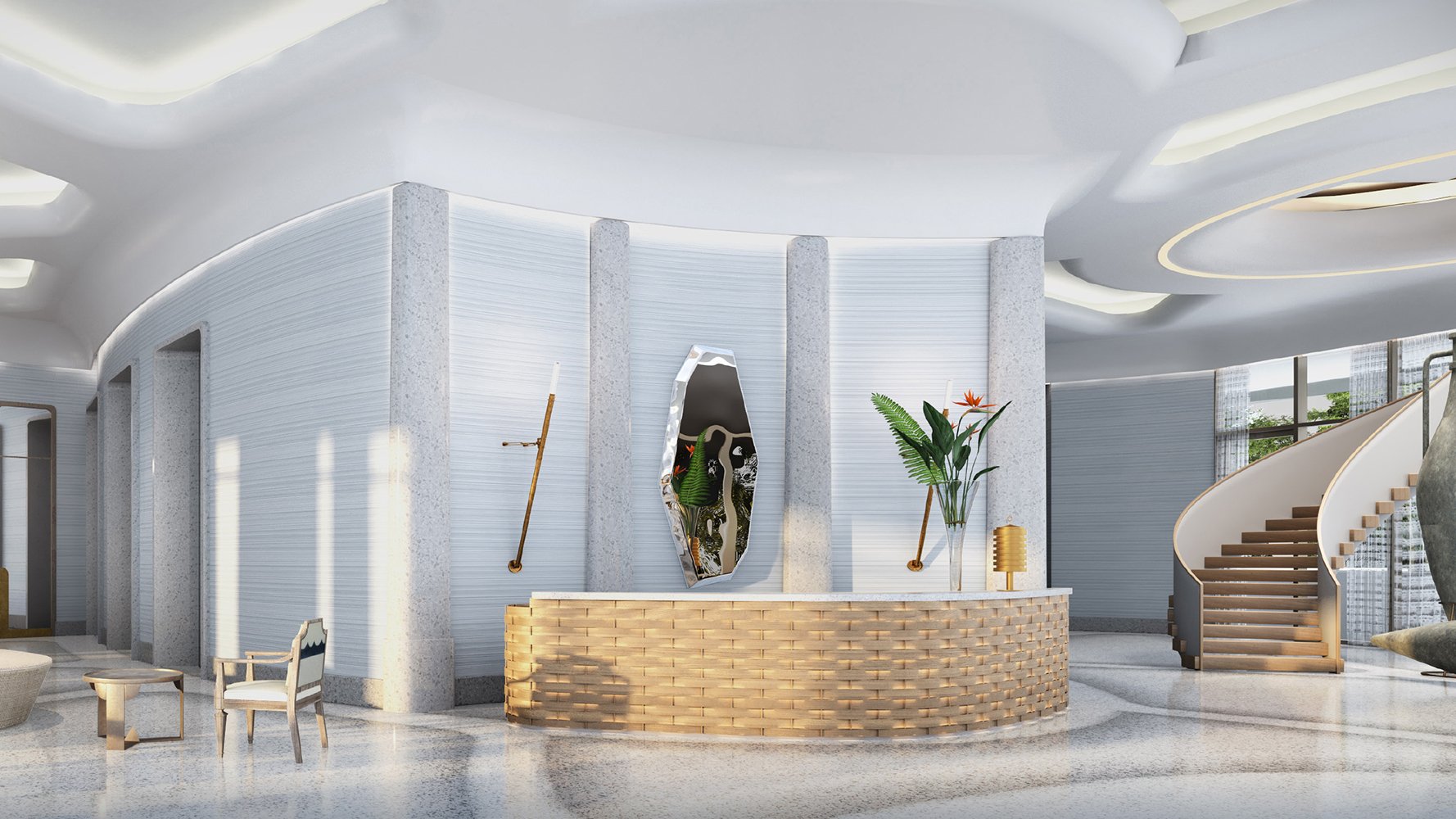
Forté on Flagler West Palm Beach and ORA by Casa Tua Brickell invite a comparison that can become too aesthetic too quickly. One carries the calm, waterfront-coded language of West Palm Beach and Flagler. The other carries Brickell’s social charge and the immediate recognition of Casa Tua. Both can be compelling. For a serious buyer, however, the question is not which name sounds more glamorous. It is which building will function better on the days that matter.
That means testing three unromantic categories: marina logistics, guest arrival, and back-of-house flow. These parts of ownership rarely dominate a first presentation, yet they shape the lived experience of a residence. They determine whether a dinner party feels effortless, whether a captain, driver, chef, family office, pet caregiver, decorator, or house manager can work without friction, and whether the building remains composed when everyone arrives at once.
Forté on Flagler West Palm Beach should be evaluated as a West Palm Beach product, not as a Brickell substitute. Its Flagler identity makes the approach sequence, waterfront adjacency, and arrival choreography central to diligence. ORA by Casa Tua Brickell should be evaluated as an urban Brickell product, not as a Palm Beach waterfront proxy. Its Casa Tua association is meaningful, but it should not blur questions of circulation, service access, and everyday privacy.
The name Forté on Flagler West Palm Beach immediately places the property in a specific buyer conversation. Flagler suggests water, promenade, street presence, and a more ceremonial arrival culture than one typically associates with dense urban cores. For buyers who expect a quieter transition from car to residence, that context matters.
The diligence, however, should remain precise. A buyer should ask how vehicles approach the building, where guests pause, how valets are sequenced, and whether resident arrivals can remain separate from deliveries, staff movement, and event traffic. If boating is part of the lifestyle, the buyer should distinguish between visual waterfront appeal and documented marine functionality. A water view can support value and daily pleasure, but it is not the same as verified dockage, vessel handling, fueling, provisioning, or a formal water-access program.
For Forté, the key question is whether the building’s Flagler character translates into smooth logistics. The more a household expects frequent guests, seasonal entertaining, household staff, or boat-related movement, the more important it becomes to review the operational plan rather than rely on visual cues.
ORA by Casa Tua Brickell belongs to a different urban rhythm. Brickell rewards buyers who want proximity, restaurant culture, walkability, and a more metropolitan social setting. The Casa Tua name adds hospitality resonance, which may appeal to residents who value service culture and a recognizable lifestyle reference.
But brand power is not an operating plan. In Brickell, the buyer should focus on how the building handles overlap: residents arriving from the office, guests coming for dinner, vendors making deliveries, staff entering for scheduled work, and cars queuing during peak hours. A celebrated brand can elevate expectations, but it can also increase the need for disciplined separation between public-facing energy and private residential calm.
ORA’s due diligence should therefore ask direct questions. Where do residents enter? Where do guests enter? How is service traffic handled? Can household staff work without crossing social arrival zones? Are deliveries staged in a way that protects the residential experience? The buyer is not trying to diminish the Casa Tua halo. The buyer is trying to understand whether that halo is supported by circulation that works.
For a boating household, the word marina can trigger assumptions that are not always supported by the ownership structure or building operations. This is especially important when comparing a West Palm Beach waterfront-oriented residence with an urban Brickell residence. The question is not which one sounds more nautical. The question is what is formally available, how it is accessed, and who controls it.
A buyer should request clear documentation for any boat-related claim. That includes whether dockage exists, whether it is deeded, licensed, assigned, leased, or simply nearby. It also includes rules on guest vessels, tender access, provisioning, insurance, hours of use, marine service providers, and liability. If a boat slip or any equivalent right is important to the purchase decision, it should be treated as a legal and operational asset, not as lifestyle language.
Forté may naturally prompt more water-adjacent questions because of its Flagler identity. ORA may prompt more urban access questions because of its Brickell setting. Neither should be credited with marine capabilities unless the buyer sees the relevant documents and understands the operating constraints.
The arrival sequence is one of the most revealing parts of any high-end building. It shows whether the developer thought beyond lobby finishes. A beautiful lobby can be undermined by a congested curb. A dramatic porte-cochère can feel less impressive if guest vehicles, deliveries, and residents are competing for the same space.
At Forté, the arrival inquiry should focus on approach from Flagler, vehicle stacking, valet workflow, resident drop-off privacy, and the relationship between waterfront presentation and street-level practicality. In West Palm Beach, where seasonal demand and social calendars can intensify at the same time, the ability to absorb guests elegantly is essential.
At ORA, the guest-arrival question is more urban. Brickell traffic, restaurant energy, and branded hospitality expectations make choreography critical. Buyers should ask whether residential arrival remains distinct, whether guests can be received without overwhelming residents, and how the building manages peak periods. New-construction buyers often focus on finishes first, but arrival flow may have a greater effect on daily satisfaction.
Back-of-house planning is the private machinery of luxury. When it works, residents barely notice it. When it fails, it becomes a daily irritation. For both Forté and ORA, buyers should ask how service functions move through the building: deliveries, catering, pet services, cleaning teams, maintenance, move-ins, art installation, and decorator access.
The central issue is separation. Can staff and vendors reach residences without compromising guest arrival? Are service elevators positioned for practical use? Is there a clear loading plan? Can a residence host a catered evening while another owner receives furniture without both events colliding in the same operational corridor?
For pre-construction and newly delivered luxury residences, these questions should be raised early, before a buyer commits emotionally to a view, amenity image, or brand promise. The best building is not always the one with the most visible drama. It is often the one with the least visible friction.
Choose Forté if your lifestyle is oriented toward West Palm Beach, Flagler, a more measured arrival sequence, and a residence where waterfront adjacency is part of the emotional purchase. Then verify whether the operational reality supports that lifestyle. Do not let the setting alone answer the logistics questions.
Choose ORA if Brickell’s urban energy, restaurant culture, and Casa Tua identity fit your life. Then press hard on the separation between hospitality appeal and private residential circulation. In a branded urban environment, the buyer’s standard should be simple: social energy when desired, residential calm when required.
The right decision is not abstract. It depends on how often you entertain, whether you travel with staff, whether boats are central or occasional, how many guests arrive by car, and whether your home functions as a private retreat or a social stage. Branding may start the conversation, but operational clarity should finish it.
Is Forté on Flagler West Palm Beach a Brickell alternative? It should be evaluated as a West Palm Beach property with Flagler-oriented considerations, not as a Brickell substitute.
Is ORA by Casa Tua Brickell primarily a brand decision? No. The Casa Tua association may be meaningful, but buyers should still test arrival, service, and circulation carefully.
Should marina access be assumed at either property? No. Any marine use, dockage, or related service should be verified through formal documents before it influences value.
What is the most important arrival question for Forté? Buyers should focus on street approach, guest drop-off, valet flow, and how waterfront presentation works at ground level.
What is the most important arrival question for ORA? Buyers should ask how residential arrivals are protected from urban traffic, guests, vendors, and hospitality-related activity.
Why does back-of-house flow matter in luxury condos? It determines whether staff, deliveries, catering, and maintenance can occur without disrupting private residential life.
Can a strong brand compensate for weak logistics? Not for most ultra-premium buyers. Brand appeal is valuable only when the building’s daily operations support it.
Is a water view the same as boating functionality? No. A view may be emotionally and financially important, but boating rights and access require separate verification.
Which property is better for entertaining? The better choice depends on arrival capacity, guest routing, service access, and how the household actually hosts.
What is the best way to shortlist comparable options for touring? Start with location fit, delivery status, and daily lifestyle priorities, then compare stacks and elevations to validate views and privacy.
To compare the best-fit options with clarity, connect with MILLION.
If branded residences are on your mind — as a home or as an allocation — we would be glad to share what we are seeing, privately.
Begin a quiet conversation