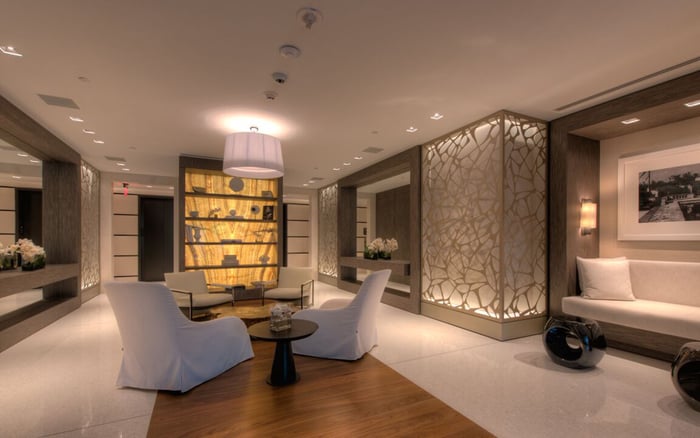
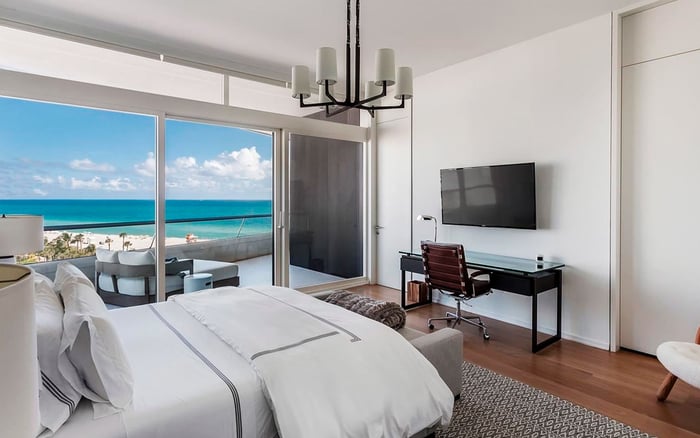
Formula 1 Miami has made private dining access a quiet but meaningful consideration for luxury buyers evaluating South Florida residences, especially in hospitality-driven neighborhoods and buildings where entertaining, privacy, arrival choreography, and service culture shape daily life beyond race week.
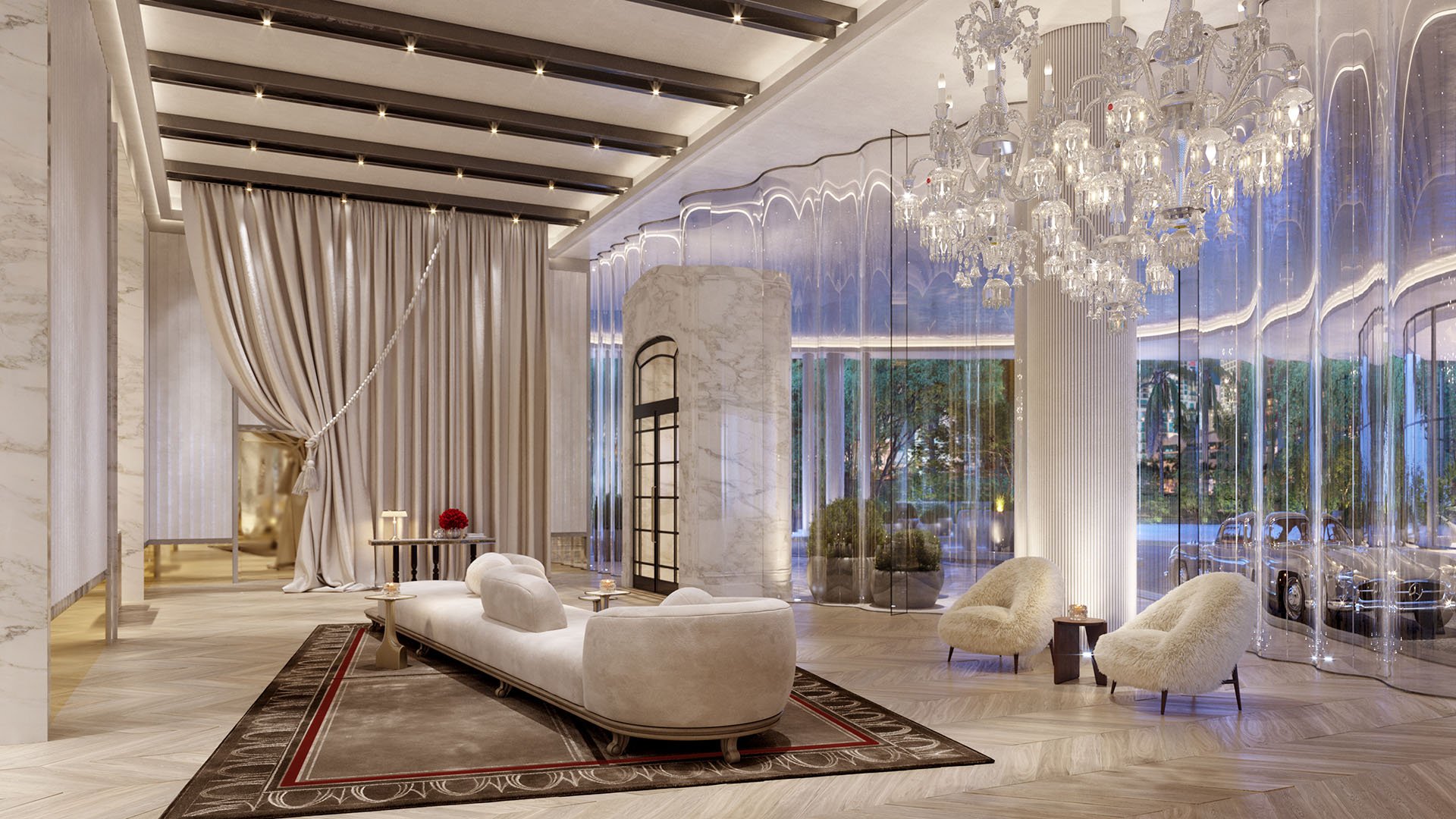
Formula 1 Miami has sharpened a subtle question for South Florida luxury buyers: where does the weekend unfold once the engines stop? For many owners, the answer is not simply a table at a celebrated restaurant. It is the private dining room, residents-only lounge, club salon, catered terrace, or discreet hospitality space where guests arrive smoothly and remain close to home.
For luxury buyers, this is less about novelty than control. Major event weekends can put unusual pressure on a building’s social spaces, and that pressure reveals how a residence performs. Can a resident host without competing for a public reservation? Is there a room suited to clients, family, collectors, or visiting principals? Does the building understand service as a way of life, rather than an amenity checklist?
This buyer’s guide perspective remains useful even if race week is only one weekend on the calendar. Private dining access can signal how seriously a residence treats privacy, hospitality, arrival sequencing, and the everyday choreography of entertaining.
Buyers should define the term carefully. Private dining may mean a residents-only room that can be reserved, a chef’s table environment, a club space with food and beverage programming, or privileged access tied to a hospitality brand. It may also refer to concierge relationships that help coordinate in-residence dining, catering, or outside restaurant experiences.
The distinction matters. A beautiful room is not the same as a managed dining experience. A brand name is not the same as guaranteed availability. A lounge with a kitchen is not necessarily a private restaurant. The most sophisticated buyers ask how the space is reserved, how often it is used, whether outside chefs are permitted, how staffing is handled, how guest access works, and whether noise or traffic patterns affect nearby residences.
In branded residences, the private dining conversation often becomes more nuanced because buyers expect a hospitality sensibility. At 888 Brickell by Dolce & Gabbana, for example, buyers will naturally focus on how design, service culture, and social spaces align with a more dressed, metropolitan style of entertaining.
Brickell appeals to buyers who want an urban base with access to business meetings, restaurants, lounges, and late-evening entertaining. For F1 guests, the value of a Brickell residence is not only access to dining districts. It is the ability to retreat from them. A well-considered private dining room can allow an owner to host a smaller, more controlled evening before or after a larger public event.
That is why residences such as Cipriani Residences Brickell remain relevant to this discussion. Buyers drawn to Brickell often care about hospitality, but they also care about predictability: elevator flow, valet coordination, guest check-in, table service, and the building’s ability to feel calm when the city does not.
Miami Beach offers a different rhythm. Here, private dining access is often about pairing cultural cachet with discretion. Owners may want to host before a beachside dinner, after a private event, or in a quieter room away from the island’s public-facing energy. Buildings such as The Perigon Miami Beach speak to buyers who evaluate architecture, views, and hospitality through the same lens: how does the residence frame the experience of living and receiving guests?
Waterfront settings add another layer. A bayfront or oceanfront address can make private dining feel more residential and less transactional. In places like Fisher Island, the value is not simply the meal, but the sense of separation. The Residences at Six Fisher Island will attract buyers who prize privacy, arrival control, and an environment where hosting can feel insulated from the public city.
The right questions are operational. Who manages private dining reservations? Are there blackout periods? How many guests are permitted? Can residents use preferred caterers? Is there a corkage policy, staffing fee, or minimum spend? How far in advance can the room be reserved during major events such as F1? Can the building support security needs for high-profile guests?
Buyers should also ask to see the actual space, not just a rendering or amenity description. Consider ceiling height, table configurations, service access, restroom proximity, elevator routing, acoustics, and whether guests pass through residential corridors. A room that photographs well may not function well for a formal dinner, family celebration, or discreet business gathering.
Just as important is governance. Condominium documents, house rules, and reservation policies can determine whether private dining is a true advantage or a limited privilege. If access depends on availability, staffing, or board-controlled policies, buyers should understand those details before making lifestyle assumptions.
F1 may bring the issue into focus, but the strongest buildings do not design hospitality around one weekend. Private dining access is a proxy for how a residence supports birthdays, board dinners, family holidays, philanthropic evenings, art week gatherings, and quiet nights when a restaurant reservation feels less desirable than a private table at home.
This is where lifestyle and real estate begin to overlap. A buyer is not only purchasing a floor plan, view, or address. The buyer is purchasing a framework for living well under pressure, hosting gracefully, and controlling the guest experience. In South Florida’s top tier, that framework can matter as much as square footage.
The best approach is to treat private dining as part of a larger service ecosystem. Compare the room, staffing model, concierge philosophy, guest arrival sequence, and building culture. The most compelling residence is the one where entertaining feels natural on a race weekend and equally effortless on an ordinary Thursday evening.
Does private dining access increase the appeal of a South Florida residence during F1 Miami? It can, especially for buyers who host guests and want privacy, control, and convenience during a high-demand social weekend.
Is a residents-only dining room the same as having a private restaurant? Not necessarily. Buyers should confirm whether the space includes staffing, culinary programming, reservation systems, and food service.
Should I prioritize Brickell if private dining is important? Brickell can be compelling for buyers who want an urban setting, but the building’s service model matters more than the neighborhood alone.
Why does Miami Beach remain relevant for entertaining-focused buyers? Miami Beach offers a blend of privacy, design, dining culture, and resort-style living that can suit more social ownership patterns.
What should I ask about guest access? Ask how guests arrive, where they are received, whether security procedures are discreet, and how elevator access is managed.
Can private dining policies change after purchase? Yes. Building rules and reservation policies can evolve, so buyers should review governing documents and current procedures.
Is waterfront living better for private entertaining? Waterfront living can create a more serene backdrop, but execution depends on layout, staffing, acoustics, and access control.
Do branded residences always provide better private dining? Not always. A brand may suggest hospitality intent, but buyers should verify the actual services, rules, and operating standards.
Should investors care about private dining access? Investors focused on the luxury segment should consider it because service-driven amenities can influence perceived lifestyle quality.
What is the best way to shortlist comparable options for touring? Start with location fit, delivery status, and daily lifestyle priorities, then compare stacks and elevations to validate views and privacy.
For a confidential assessment and a building-by-building shortlist, connect with MILLION.
If branded residences are on your mind — as a home or as an allocation — we would be glad to share what we are seeing, privately.
Begin a quiet conversation