A considered Toronto-to-Hillsboro Beach move treats the art collection as a separate undertaking, coordinating specialist transport, written building approvals, collection insurance, and stable indoor conditions before delivery.
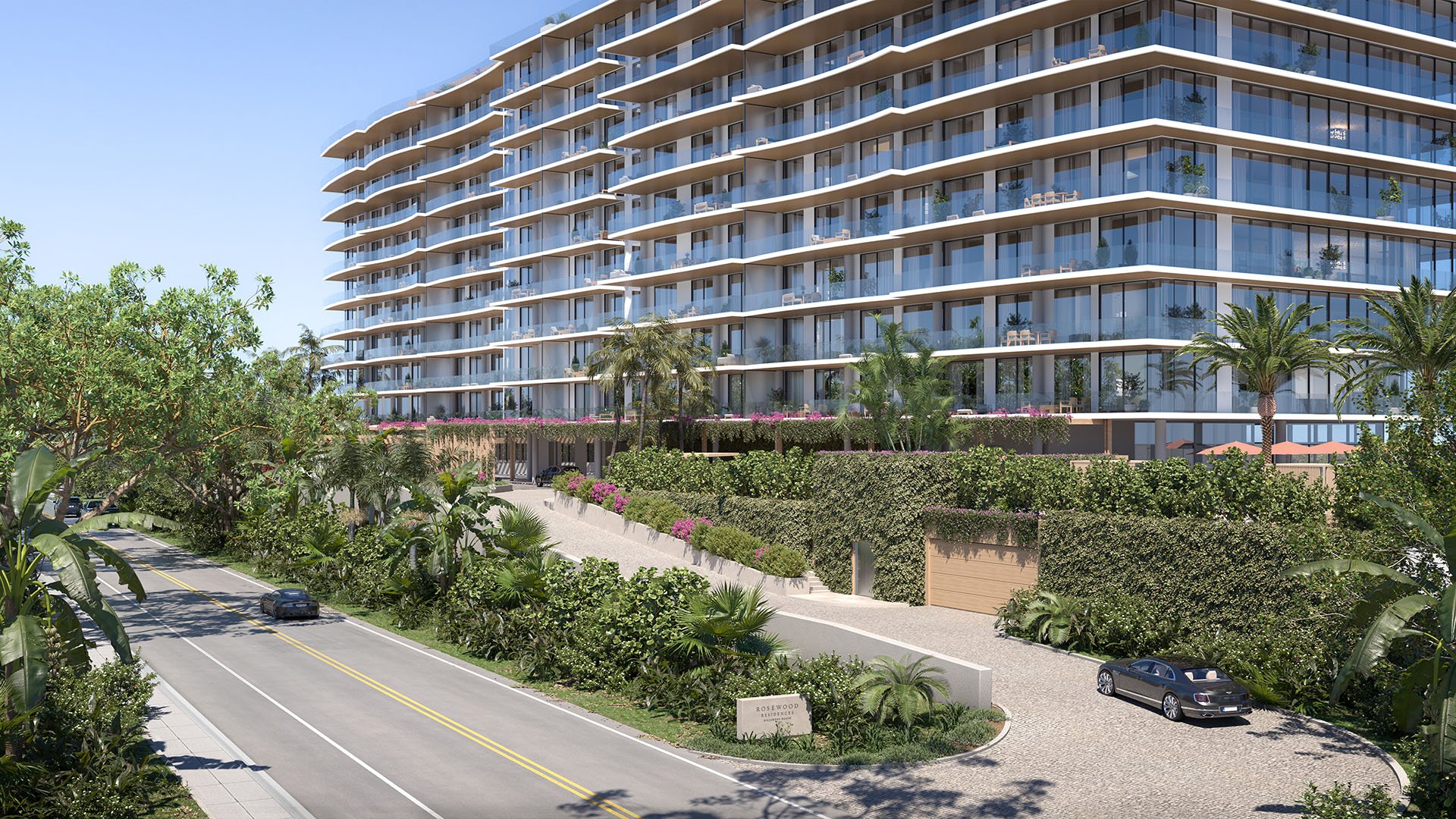
For a Toronto family establishing a home in Hillsboro Beach, the collection deserves its own arrival plan. A painting’s journey does not end when the truck reaches the property. Building access, elevator clearance, indoor conditions, and installation must align before the work reaches its wall.
Start with a coordinated brief shared with the art handler, property manager, insurance adviser, and installation team. Keep the collection’s delivery separate from the household schedule wherever practical. Furniture can be positioned around family routines; valuable works should arrive when access and environmental conditions are ready.
For buyers considering Rosewood Residences Hillsboro Beach, this is a due-diligence conversation, not an assumption about services or policies. Request the relevant written requirements before committing to transport. A residential address alone does not establish how a collection can be received.
For a Hillsboro Beach delivery, ask about gate hours, service-elevator availability, and any beachfront-access restrictions. Confirm whether the association limits moves to designated windows or excludes weekends and holidays. The individual building’s written policy governs; a neighboring property’s arrangements should not be treated as transferable.
Ask management whether an art delivery falls under the standard moving policy and whether installers need separate authorization. Confirm requirements for elevator padding, floor runners, hallway protection, and any damage deposit. Obtain the association’s certificate-of-insurance instructions, including required insured parties and coverage limits, before the carrier prepares its paperwork.
For freight-elevator planning, have the handler and management verify the entire route using packed dimensions, not artwork dimensions alone. Request door openings, cabin measurements, weight limits, corridor turns, and the final residence entry clearance. Confirm each for the property rather than assuming any specification.
Keep the approvals in one delivery brief. The elevator reservation, access authorization, protective materials, and crew approval are separate items to reconcile before dispatch.
Specialist art-and-antique handling, crating, and soft packing are available approaches, but they are not interchangeable. Ask the handler to recommend a method for each work based on its materials, condition, frame, and handling requirements. A collection-level quotation should not replace an object-level discussion.
Prepare an inventory with photographs, packed measurements, and clear identification for each piece. Confirm who will pack, transport, receive, unpack, and install it, and identify where responsibility changes hands. Agree on these practical details in advance, not at the loading point.
For the Toronto-to-U.S. leg, have a qualified customs professional confirm applicable documentation and treatment before departure. Do not build the schedule around assumed duty-free entry, a particular exemption, or automatic customs handling by the mover. Ask explicitly who is responsible for border arrangements and communicating delays.
Discuss a contingency destination with the handler in case the approved delivery window becomes unavailable. Evaluate any proposed holding arrangement against the collection’s environmental needs, not simply its availability.
A certificate of insurance requested by the association addresses building-access requirements. It is not proof that the collection is insured throughout packing, transit, temporary holding, unpacking, or installation.
Have the insurance adviser clarify coverage for each stage, including who bears responsibility while different crews have custody. Request written confirmation of relevant limits, exclusions, and any conditions attached to the selected transport and installation arrangements. Keep the building’s approval and the collection’s coverage confirmation as distinct documents.
Families comparing Hillsboro Beach with Glass House Boca Raton should carry the same questions into their Boca Raton search. The aim is not to assume equivalent policies, but to make collection logistics part of evaluating each residence.
Heat, humidity, and coastal saline conditions can stress art materials even indoors. A room that feels comfortable is not, by itself, evidence of suitable collection conditions. Arrange temperature and relative-humidity monitoring before delivery, and assess stability rather than relying on a single reading.
For most artworks, 65-75°F, approximately 18-24°C, and 45-55% relative humidity provide a general conservation reference. A broader reference range is 40-60% RH, with swings exceeding 5% within 24 hours kept to a minimum. These are general references, not universal specifications for every medium or mixed collection.
Ask a conservator to establish appropriate targets for the works. Stability matters: wide temperature and humidity fluctuations can damage collection materials. Humidity above 60% can encourage mold, metal corrosion, and swelling of wood and canvas fibers; levels above 65% are considered too damp for collections. Neither threshold should be treated as a normal operating target.
Discuss dehumidification and adequate airflow with the team responsible for the residence’s systems. Use temperature-and-RH monitoring with alerts, and assign someone to respond when conditions drift. A notification is useful only when responsibility for acting on it is clear.
After exposure to temperature extremes, allow artwork to acclimatize in its destination environment before unpacking and handling. This helps reduce condensation and material stress. Let the handler or conservator determine the appropriate sequence rather than imposing an unsupported, fixed waiting period on every piece.
Avoid prolonged tight plastic wrapping in damp conditions, where trapped moisture can promote mold. Have the receiving team coordinate acclimatization with appropriate packing removal rather than leaving wrapped works awaiting installation indefinitely.
Plan display positions away from windows, HVAC vents, and exterior-wall microclimates that may differ from the room average. Avoid damp locations such as bathrooms. Review the intended wall itself, not simply the thermostat setting elsewhere in the residence.
If the search also includes Ocean 580 Pompano Beach, apply the same placement review to the Pompano Beach option. Make the collection’s intended locations part of the floor-plan discussion, without presuming any project offers collection-specific environmental control.
Before authorizing departure from Toronto, reconcile four essentials: written building access, a workable handling route, confirmed collection coverage, and stable destination conditions. Then align the receiving team and installation appointments with the actual delivery window.
Once the family is settled, retain the monitoring routine and the agreed response contacts. If the residence will be unoccupied for periods, decide who reviews alerts and coordinates corrective action. Collection care should continue between visits, not restart when the owners return.
The objective is a home where art feels effortless because its practical requirements have already been addressed.
For a considered South Florida home search that makes room for your collection, connect with MILLION.
If branded residences are on your mind — as a home or as an allocation — we would be glad to share what we are seeing, privately.
Begin a quiet conversationObtain the building’s written gate hours, service-elevator availability, access restrictions, insurance requirements, and protection rules. Confirm that both the delivery crew and installers are authorized.
Ask whether the association excludes weekends and holidays or restricts moves to designated elevator windows. Confirm the individual building’s written policy before scheduling.
Have management and the handler verify the route using packed dimensions, including elevator openings, cabin size, weight limits, corridor turns, and the residence entrance. Do not assume specifications are the same across buildings.
Do not treat a building-access certificate as proof of collection coverage. Have your insurance adviser confirm protection during packing, transit, holding, unpacking, and installation.
Crating, soft packing, and specialist handling are options, not universal prescriptions. Ask the handler to recommend protection for each work’s materials, condition, and handling needs.
No duty-free treatment or automatic customs handling should be assumed. Ask a qualified customs professional to confirm applicable documentation and treatment before departure.
A general reference for most artworks is 65–75°F, approximately 18–24°C, with 45–55% relative humidity and little variation. Have a conservator tailor targets to the collection’s materials.
Humidity above 60% can encourage mold, corrosion, and swelling of wood and canvas fibers. Levels above 65% are considered too damp for collections.
After exposure to temperature extremes, allow acclimatization before unpacking and handling to reduce condensation and material stress. Ask the handler or conservator to determine the sequence.
Avoid windows, HVAC vents, damp rooms, and exterior-wall microclimates. Monitor temperature and relative humidity with alerts and assign someone to respond to changes.