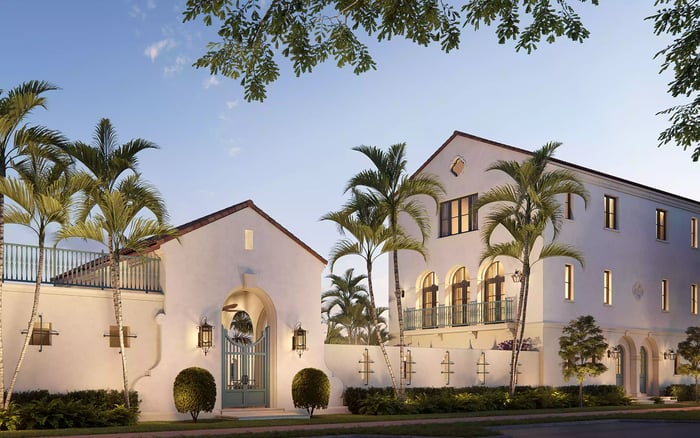
For families dividing time between Silicon Valley and Coral Gables, a carefully managed home requires more than remote controls. Coordinate seasonal calendars, moisture monitoring, local access, and storm decisions before departure.

For a Silicon Valley family establishing a Coral Gables home, the transition may follow school calendars, business travel, and summer absences rather than a single moving day. The residence should accommodate that rhythm without requiring the family to manage every maintenance decision from another coast. The essential purchase question is not simply how the home lives when occupied, but how it will be cared for when everyone leaves.
Consider seasonal operations alongside architecture and location. When evaluating Ponce Park Coral Gables, for example, ask who would oversee conditions inside the residence during an extended absence and what access arrangements would be needed. Treat these as due-diligence questions, not assumptions about services included with ownership.
The framework is straightforward: prepare before departure, monitor moisture and property condition while away, and give a local contact written storm-response instructions. These are ownership recommendations, not special municipal requirements for families relocating from Silicon Valley.
Create a shared occupancy calendar covering family visits, guest stays, departures, and expected returns. Assign one local coordinator and a backup. The coordinator might be an appointed property manager or another trusted representative, but the role should be explicit: receive alerts, arrange authorized access, and communicate unresolved issues.
Before leaving, document the home's condition with dated photographs and a short maintenance record. Have the air-conditioning system reviewed as appropriate, inspect window and door seals, and arrange necessary resealing. Close and lock windows at departure. Confirm that landscape care will continue, including irrigation, mowing, and removal of trimmings where applicable.
A useful handoff should identify:
Who holds authorized access and how contractors will enter.
Which maintenance providers to call for moisture or cooling problems.
What spending the coordinator may approve without waiting for the owners.
How alerts and completed work will be documented.
For buyers considering The Village at Coral Gables, this handoff exercise can clarify which tasks belong to the owner and which, if any, are handled through shared arrangements. Verify that division before relying on it.
A comfortable temperature is not the only number to watch. Recommended indoor relative humidity is below 60%, with 30%-50% the preferred range where possible. Elevated humidity can create conditions conducive to mold growth. The preferred range is moisture-prevention guidance, not a Coral Gables legal requirement or a guarantee against mold.
Rather than choosing a universal thermostat setting, ask a qualified professional how the home's specific equipment should maintain moisture control during a summer absence. Nonstop compressor operation should not be prescribed as a blanket rule. If central air conditioning cannot keep humidity below 60%, have the system examined for problems.
Consider pairing remote humidity readings with local checks. Agree with the maintenance professional on alert settings and escalation steps appropriate to the residence. The recommended humidity range should inform that conversation, not serve as a mandated alarm standard.
While the home is occupied, vent moisture from showering and cooking to the outdoors. Before departure, leave clear instructions for the coordinator to investigate unexpected humidity changes rather than merely adjusting the temperature remotely.
An alert's value depends on what happens next. Cleaning and drying spills, wet building materials, and carpets within 24 hours is recommended moisture-control guidance. Prompt discovery and access therefore matter, but that guidance does not establish a required inspection interval or guarantee a contractor's arrival within a particular window.
Set an inspection schedule with the local coordinator based on the home and planned absence. A visit can include recording humidity, looking for visible moisture or condensation, and checking the exterior condition. Remote readings should complement those visits, not replace someone able to investigate.
Write an escalation sequence: notify the coordinator, assess whether entry is safe, contact the appropriate professional, and update the owners with observations and next steps. Include a backup contact route if the primary contact cannot respond. Routine investigation should not depend entirely on a traveling parent's availability.
A home left unoccupied for part of the year should not automatically be treated as legally vacant. Confirm whether vacant-property registration and maintenance provisions apply to the residence rather than assuming every seasonal departure triggers them.
For covered abandoned or vacant properties, upkeep requirements address weeds, debris, trash, graffiti, and discarded materials that create an abandoned appearance. Landscape maintenance includes watering, irrigation, mowing, and removing trimmings. Failure to register and maintain vacant property is a punishable violation, so applicability deserves attention.
The Code Enforcement Hotline is 305-441-5777. Assistance hours are 7:30 a.m.-7 p.m. Monday-Friday and 7:30 a.m.-4 p.m. Saturday-Sunday, with after-hours inquiries directed to police non-emergency. Keep compliance questions separate from urgent moisture or safety concerns.
Establish a family evacuation plan and assign someone to monitor hurricane and flood advisories as conditions change. If family members are in residence, their safety decisions should remain separate from arrangements to protect an empty property. Property checks should never require anyone to enter unsafe conditions.
Before a storm, preparations include securing windows and doors, inspecting seals, trimming trees, and bringing outdoor furniture, decorations, and children's toys indoors. Arrange appropriate anchoring for loose outdoor items that must remain outside. Assign these tasks in advance rather than assuming a routine maintenance visit will cover them.
Make each number's purpose clear on the contact sheet:
305-442-1600: Coral Gables non-emergency assistance.
305-460-5401: Resident hotline/non-emergency number activated during a storm.
305-800-NEWS (6397): prerecorded emergency information.
These are non-emergency and information channels, not substitutes for emergency assistance. Keep them alongside the coordinator's details, backup contact, authorized contractors, and instructions for documenting conditions once access is safe.
When reviewing Cora Merrick Park, bring the same operational questions to the purchase conversation: who can enter during an absence, who receives alerts, and which responsibilities remain with the owner? Confirm any proposed service arrangements in writing rather than inferring them from a property's presentation.
The goal is not to supervise a residence constantly from California. It is to establish a reliable handoff among family, local coordinator, and maintenance professionals, with decisions made before departure and an orderly review before returning.
Explore a Coral Gables home suited to your family's seasonal rhythm with MILLION.
If branded residences are on your mind — as a home or as an allocation — we would be glad to share what we are seeing, privately.
Begin a quiet conversationPrepare a written handoff covering occupancy dates, maintenance, authorized local access, spending approvals, and storm responsibilities. Name a local coordinator and a backup.
Keep relative humidity below 60%, ideally within 30%–50% where possible. This is moisture-prevention guidance, not a municipal requirement or a guarantee against mold.
Continuous compressor operation is not a blanket recommendation. Have a qualified professional advise on moisture control for the specific home and investigate if central air conditioning cannot keep humidity below 60%.
Use remote readings to complement local checks rather than replace them. A local representative should be able to investigate alerts and arrange authorized professional access.
Cleaning and drying spills, wet building materials, and carpets within 24 hours is recommended. This guidance does not guarantee contractor availability, so prompt discovery and safe access matter.
Seasonal absence should not automatically be equated with legal vacancy. Confirm whether the registration and maintenance provisions apply to the specific property.
Covered properties must remain free of weeds, debris, trash, graffiti, and discarded materials that create an abandoned appearance. Landscape upkeep includes watering, irrigation, mowing, and removing trimmings.
Keep 305-442-1600 for non-emergencies, 305-460-5401 for the resident hotline activated during a storm, and 305-800-NEWS (6397) for prerecorded emergency information. These channels do not substitute for emergency assistance.
Establish an evacuation plan, monitor hurricane and flood advisories, and assign property-preparation tasks. Secure windows and doors, inspect seals, and arrange to bring outdoor furnishings and toys indoors.
The coordination plan addresses seasonal travel, not origin-specific rules. Confirm the requirements applicable to the residence and any written service arrangements before relying on them.