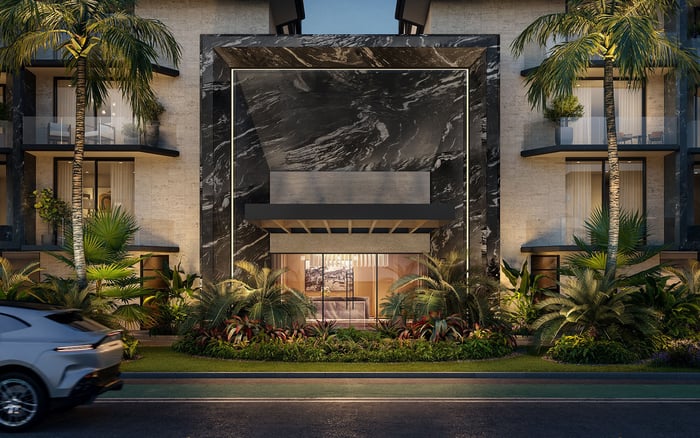
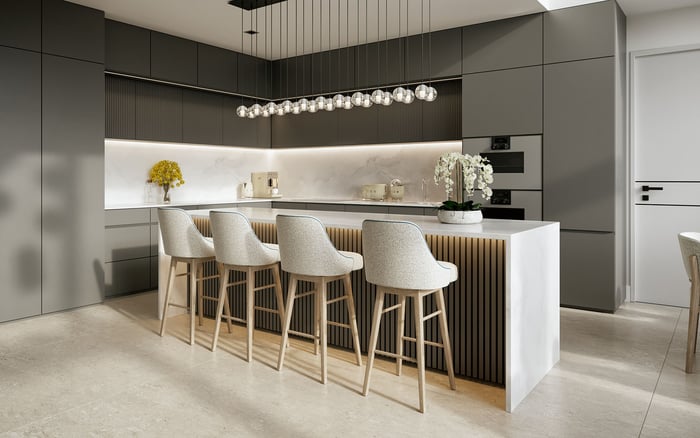
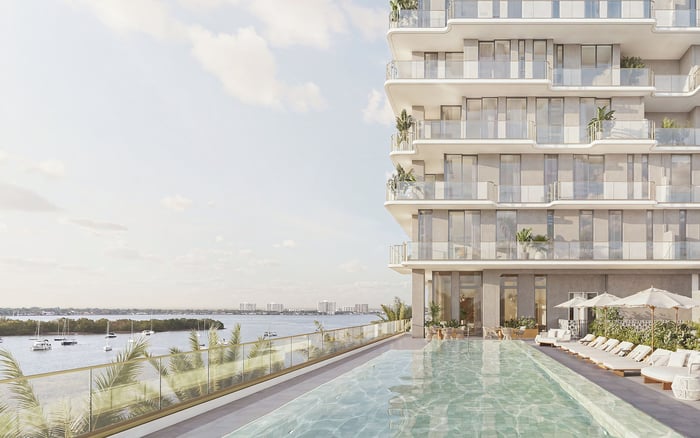
For seasonal collectors, the decisive features of a North Bay Village residence may be environmental stability, controlled access, thoughtful lighting, secure storage, and dependable unit oversight during long absences.
For an owner who occupies a North Bay Village residence for only part of the year, important considerations may be largely invisible. Interior conditions, access procedures, engineering response, delivery handling, and documented inspections can shape how confidently the home is left vacant.
Those questions become especially important when a residence contains art. A buyer should evaluate the home as both a seasonal retreat and a managed environment, with clear responsibilities for the building team, the owner, and any appointed collection professionals.
Buyers comparing Continuum Club & Residences North Bay Village, Shoma Bay North Bay Village, and Pagani North Bay Village should request project-specific information rather than infer operating procedures from marketing materials.
Amenity presentations do not necessarily answer questions about collection care. Buyers should seek written clarification regarding staff access, authorized vendors, deliveries, emergency escalation, unit inspections, and any limitations on owner-installed monitoring or storage systems.
The relevant inquiry is not simply whether a residence has air conditioning. A seasonal owner should ask how interior conditions can be observed during an extended absence, who may respond to an equipment concern, and how authorized professionals can enter the home.
Where a buyer is considering specialized monitoring, supplemental equipment, or an ongoing service arrangement, the proposed plan should be reviewed before closing. Building rules, installation permissions, maintenance responsibilities, and access procedures may all affect whether the plan is workable.
The goal is to understand how the residence, building systems, staff, and owner-appointed professionals would coordinate when the owner is away. Any conclusion should be based on current project documents and advice from qualified professionals.
Art placement should account for daylight, glazing, fixture location, controls, room use, and the sensitivity of each work. A visually prominent wall may still be unsuitable if its conditions conflict with the recommendations of a collection professional.
Buyers can ask whether lighting may be programmed, monitored, or switched off remotely and who can verify its status inside the residence. These questions should be resolved through a collection-specific plan rather than assumptions based on general residential specifications.
A closet should not be treated as suitable art storage without further assessment. Interior position, security, airflow, plumbing adjacency, access clearance, and proposed modifications all deserve review.
The path between the building entrance, service areas, elevators, and residence may also matter when a work is delivered, removed, or inspected. Buyers should clarify scheduling, temporary holding procedures, vendor authorization, and staff coordination before relying on a building for specialized deliveries.
Conditions can differ within the same property. A buyer should review the residence’s relationship to terraces, exterior walls, amenity areas, plumbing, drainage, and mechanical equipment, then seek professional guidance about any concern relevant to the collection.
This approach is not an argument against a particular exposure or feature. It is a reminder that every residence requires its own diligence and that marketing materials cannot replace project documents, inspections, and professional review.
Before treating a residence as collection-ready, request written explanations of unit-inspection policies, staff access, security procedures, delivery handling, emergency escalation, and engineering coverage. Identify who may hold keys or credentials, how authorization is recorded, and what happens when an issue is observed.
Then map the collection against the actual floor plan. Review display walls, daylight, glazing, plumbing adjacencies, service routes, storage locations, and mechanical elements. The resulting plan should remain practical when the residence is closed and the owner is away.
Why should a seasonal owner review building operations? Long absences make response procedures, authorized access, inspections, and delivery coordination important parts of the ownership plan.
Does an amenity brochure establish that a residence is suitable for art? No. Collection suitability requires separate review of environmental conditions, access, storage, lighting, and operating procedures.
What should a buyer ask about climate control? Ask how conditions may be monitored, who responds to concerns, how entry is authorized, and which responsibilities remain with the owner.
Is lobby staffing enough for collection oversight? Staffing alone does not define the scope of service. Buyers should obtain written details about access records, escalation, security, deliveries, and unit inspections.
How should art lighting be evaluated? Review daylight, glazing, fixtures, controls, display duration, and the needs of each work with a qualified collection professional.
Can a standard closet be used for art storage? Its security, placement, airflow, plumbing proximity, access, and permitted modifications should be assessed before it is used for that purpose.
Why does the position of a residence matter? Its relationship to exterior walls, terraces, plumbing, drainage, amenity areas, and mechanical elements may create distinct diligence questions.
What should be confirmed before arranging an art delivery? Confirm scheduling, service routes, temporary holding procedures, vendor authorization, access requirements, and staff coordination.
Should proposed monitoring equipment be reviewed before closing? Yes. Buyers should confirm that installation, access, maintenance, and any related modifications are permitted.
What belongs in a seasonal ownership plan? The plan should identify responsible contacts, access permissions, inspection procedures, emergency escalation, delivery protocols, and collection-specific requirements.
For a discreet conversation and a curated building-by-building shortlist, connect with MILLION.
If branded residences are on your mind — as a home or as an allocation — we would be glad to share what we are seeing, privately.
Begin a quiet conversation