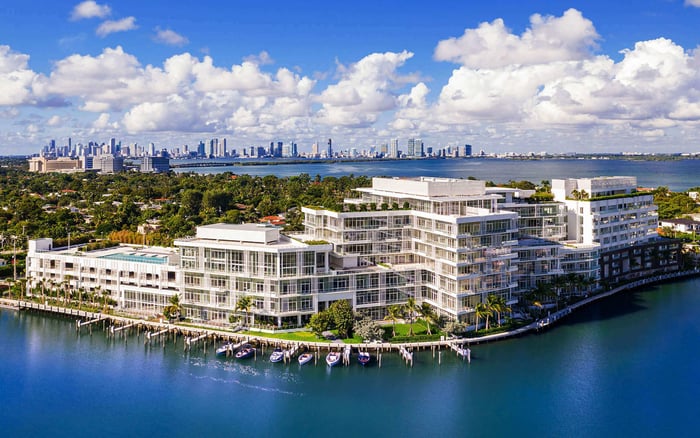
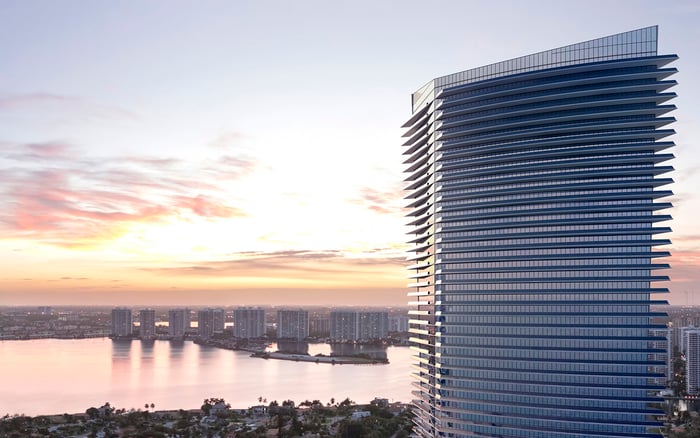
For seasonal Aventura buyers, disciplined review of transaction expenses, title work, association obligations, and recurring ownership costs can be more consequential than a polished amenity presentation.
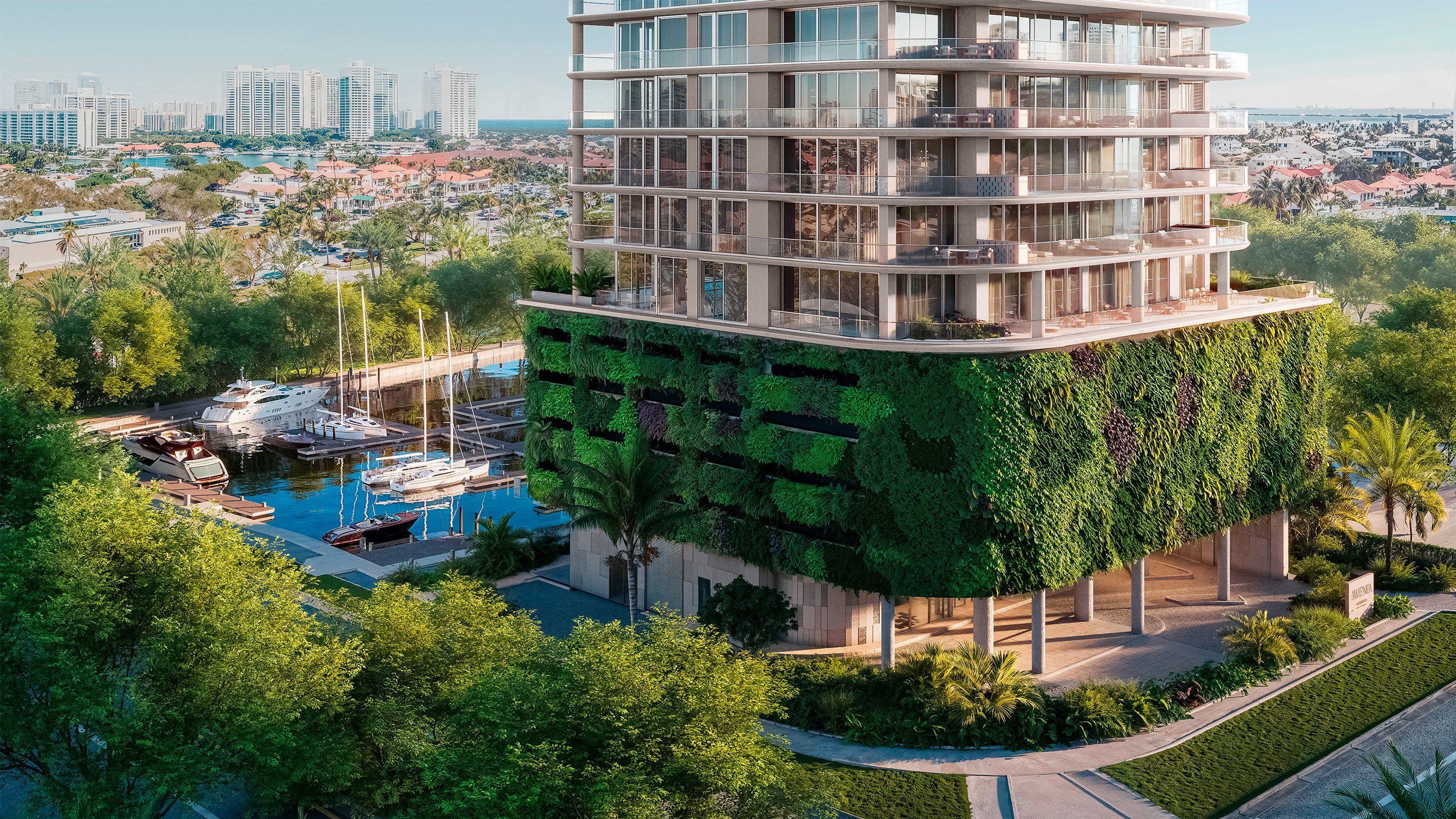
Aventura makes an elegant case for part-time ownership: waterfront settings, polished residential towers, convenient access across northern Miami-Dade, and homes designed for a lock-and-leave rhythm. Yet for a buyer who may occupy a residence only during selected months, the decisive page is often not the amenity brochure. It is the ownership ledger.
That ledger begins before closing. The contract price is merely the most visible figure in a broader acquisition budget-one that may encompass title-related work, settlement services, financing expenses when applicable, association processing, insurance, inspections, professional advice, and adjustments between buyer and seller. Because amounts and responsibilities can vary by transaction, contract, residence, and association, each should be confirmed in writing rather than inferred from convention.
This is where a refined search becomes a disciplined one. A residence at Avenia Aventura may command attention for its setting and design proposition, but the purchase should still be tested against the complete cost of entry and expected annual carrying profile.
The clearest comparison places every candidate property within the same financial frame. Start with the proposed price, then add each anticipated expense required to reach ownership. Separate fixed charges from percentage-based charges, distinguish lender-related items from cash-purchase items, and identify estimates that remain subject to final invoices or contract allocation.
For buyers using financing, the cash required at closing and the long-term cost of capital warrant separate attention. For cash buyers, eliminating lender expenses does not eliminate the need for title review, due diligence, settlement planning, insurance analysis, or association approval where applicable. In either case, request an itemized estimate early enough to inform negotiation.
This framework also sharpens comparisons beyond Aventura. A buyer considering One Park Tower by Turnberry North Miami alongside an Aventura residence should compare like with like: acquisition cost, recurring charges, anticipated personal use, and the practical expense of maintaining the home while away.
“Closing costs” is a convenient phrase, but it can obscure several distinct services and obligations. Ask the closing professionals to identify every line item, who is expected to pay it under the contract, whether it is estimated or fixed, and when it becomes nonrefundable. The objective is not merely to reduce the total, but to understand precisely what it represents.
Title-related charges demand equal precision. Confirm the proposed scope of title work, the form of coverage contemplated, any exceptions requiring attention, and the treatment of existing liens or other recorded matters. Buyers should rely on their own qualified legal and title professionals for transaction-specific guidance.
Timing matters, too. A seasonal owner coordinating travel, entity documents, financing, insurance, and association requirements may value certainty as much as a modest fee difference. Establishing a responsibility matrix early can limit last-minute decisions and clarify which documents, signatures, funds, and approvals remain outstanding.
Association economics should be assessed as the property’s operating system, not as a single monthly figure. Request current governing documents, budgets, financial materials, insurance information, application requirements, fee schedules, meeting records, and notices made available for review. Ask specifically about pending decisions, planned work, reserve treatment, and charges that may not appear in the headline assessment.
For a second-home buyer, utility is personal. Valet, staffed reception, pools, fitness spaces, social rooms, and other services may be highly desirable, but their value depends on actual use. A lavish feature enjoyed for only a few weeks each year may deliver a different personal return than security, building management, package handling, or maintenance coordination that supports the residence throughout an owner’s absence.
Neighboring coastal choices bring that analysis into sharper focus. Bentley Residences Sunny Isles and Turnberry Ocean Club Sunny Isles can serve as useful comparison points for buyers broadening a search, but each opportunity should be evaluated through its own documents, proposed obligations, and use case-not through brand or location alone.
Even when income is not the objective, a luxury residence is an investment in lifestyle, time, and optionality. Build a multiyear ownership model that includes recurring association obligations, property-related taxes, insurance, utilities, interior care, professional management, and a contingency for irregular expenses. Where future figures remain uncertain, use ranges.
Then divide those costs by realistic occupancy, not aspirational occupancy. This does not reduce a home to a nightly rate; it reveals whether the service structure suits the owner’s pattern of use. A buyer who values effortless arrivals and supervised absences may rationally prefer a higher-service building. Another may prioritize privacy and a simpler operating profile.
The same discipline belongs in new-construction evaluation. Deposits, timing, final specifications, closing estimates, association projections, and post-closing setup should be considered separately. Marketing materials can articulate a vision, but contractual documents define the purchase.
Before submitting an offer, request a preliminary closing estimate and identify the assumptions that could change it. Before the end of any applicable diligence period, review association materials with qualified advisers and obtain insurance guidance suited to the residence and intended occupancy. Before closing, reconcile the latest figures with prior estimates and question every material change.
This is the useful intersection of buyer’s guides and pricing and trends: price establishes market positioning, while transaction and ownership costs determine personal fit. The best Aventura purchase is not necessarily the residence with the longest amenity list. It is the one whose setting, services, documents, and economics remain persuasive once every line item is visible.
What should an Aventura seasonal buyer budget beyond the purchase price? Include estimated title, settlement, financing if applicable, insurance, inspection, professional, association, and adjustment items, then confirm each figure for the transaction.
Are closing costs the same for every condominium purchase? No. Amounts and payment responsibility can depend on the contract, financing, service providers, property, and negotiated terms.
Why request a written closing estimate early? An early estimate reveals assumptions, supports property comparisons, and allows time to address unexpected items before closing.
What should buyers ask about title fees? Ask which services and coverage are contemplated, who pays each charge, which items are estimates, and whether recorded matters require attention.
Which association materials deserve close review? Review the available governing documents, budgets, financial materials, insurance information, fee schedules, meeting records, and relevant notices with qualified advisers.
How should a seasonal owner judge amenity value? Compare actual expected use with the full recurring cost, while accounting for services that preserve convenience and continuity during absences.
Should cash buyers still scrutinize closing expenses? Yes. A cash purchase may avoid lender items, but title, settlement, inspection, insurance, professional, and association considerations can remain.
How can buyers compare Aventura with nearby markets? Apply one template to every candidate, covering acquisition cost, annual obligations, services, occupancy plans, and building-specific documents.
Do projected association figures require verification? Yes. Treat projections as assumptions and seek the latest available documents and transaction-specific clarification before committing.
What is the best way to shortlist comparable options for touring? Start with location fit, delivery status, and daily lifestyle priorities, then compare stacks and elevations to validate views and privacy.
To compare the best-fit options with clarity, connect with MILLION.
If branded residences are on your mind — as a home or as an allocation — we would be glad to share what we are seeing, privately.
Begin a quiet conversation