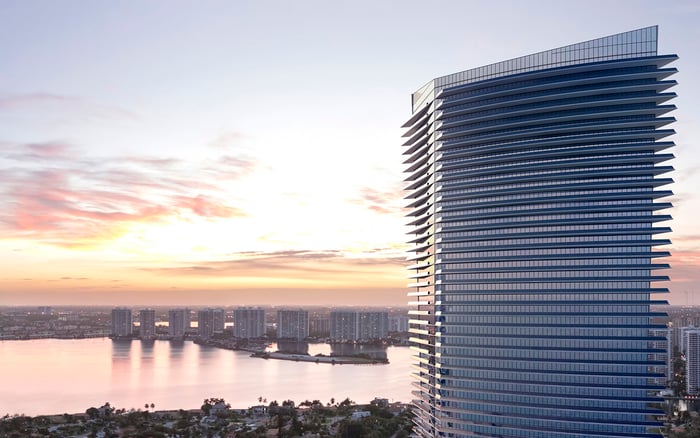
A terrace comparison begins with more than the view. Buyers considering Cipriani Residences Brickell and The Ritz-Carlton Residences® Miami Beach should examine maintenance allocations, residence-specific exposure, and the practical obligations of storm clearance before deciding which ownership arrangement suits them.

For buyers comparing Cipriani Residences Brickell with The Ritz-Carlton Residences® Miami Beach, terrace responsibilities deserve as much attention as the outlook. The meaningful comparison is not simply which setting feels more appealing, but which documented division of responsibilities best suits the way an owner intends to live.
Here, shared ownership priorities concern the relationship between individual ownership and association obligations, not fractional ownership. Terrace maintenance, alterations, storm preparation, and access should each be considered separately. A service-oriented lifestyle does not, by itself, establish who must move a dining table indoors before a storm.
Neither property should be presumed to carry fewer maintenance obligations or offer less wind exposure. Build the comparison around each residence's governing documents, applicable specifications, and current operating rules-not assumptions attached to a neighborhood or brand. This comparison is a due-diligence framework, not a statement of either property's verified policies.
Begin by asking counsel to establish how the terrace is classified and what the declaration assigns to each party. Do not assume that private use of an outdoor space answers every question about its upkeep.
Examine cleaning, finishes, structural work, and alterations separately rather than accepting a broad assurance that the building handles maintenance. Ask whether the documents distinguish an owner's responsibility for surface care from the association's responsibility for structural components.
Ask counsel to identify the provisions addressing the terrace and explain their practical consequences. Which surfaces must the owner maintain? Who arranges structural work? What approvals are required before replacing a finish? If access through the residence is necessary, what procedures govern it? Obtain written clarification wherever the documents leave room for interpretation.
Apply the same discipline to a broader Brickell search that includes Una Residences Brickell. Use a consistent checklist across candidates, but never transfer one building's allocation of responsibilities to another. The objective is a clear distinction between private upkeep, association work, and decisions requiring approval.
Treat wind exposure as a residence-specific due-diligence question. Neither a Brickell address nor a Miami Beach address establishes how comfortably a particular terrace will function. Nor does either support a conclusion that one featured property is categorically less exposed.
During a viewing, begin with the intended use: quiet breakfast seating, evening dining, planted borders, or occasional entertaining. Then ask what information is available about the selected terrace's exposure and any restrictions on its furnishings. If wind comfort is central to the purchase, request relevant technical documentation and consider an independent professional review. A single visit is not a comprehensive assessment.
Keep everyday comfort separate from impact protection. Request the applicable window and door specifications for the actual residence, and ask a qualified professional to explain their relevance. The phrase impact glass is no substitute for understanding the documented specifications. Likewise, do not accept a general wind-speed figure as a verified design specification for either building without appropriate documentation.
A terrace furnishing plan should begin with the rules, not the furniture order. Ask which restrictions apply to finishes, planters, seating, screening, lighting, and attachments to railings or ceilings.
Before commissioning custom pieces, submit the intended layout and ask which elements require written consent. Clarify whether the rules distinguish movable furnishings from attached installations, and whether any approved item must still be removed during storm preparation. Do not treat approval for everyday use as permission to leave an item outside during a hurricane watch.
For proposed shutters or other hurricane-protection installations, ask counsel and the appropriate property representative to confirm the applicable approval, specification, and permitting requirements before proceeding.
For buyers also considering The Perigon Miami Beach, this is a comparison standard, not a claim about that property's rules. Ask every candidate building the same questions before committing to finishes or furnishings that may be difficult to change or store.
Storm preparation turns written obligations into a practical ownership test. Do not assume a particular clearance deadline or securement method applies to either featured property without its current written hurricane plan.
Before selecting the outdoor collection, test an interior storage layout for items that may need to be brought inside. Consider who would move them if the owner were away, rather than relying on an unconfirmed expectation of staff assistance.
For each featured property, request the current hurricane plan and confirm:
The event that triggers terrace clearance and the applicable deadline.
Whether complete removal is required or any approved securement method is permitted.
Who may enter when the owner is away and what authorization is necessary.
Whether assistance is available and what restrictions govern outside contractors.
The applicable enforcement provisions and consequences of noncompliance.
Do not treat association preparation of common areas as a commitment to clear privately used terraces. Ask for the residence-specific preparation checklist, including instructions for windows and balcony doors. Furnishing decisions and operating procedures should work together, without relying on last-minute improvisation.
Second-home buyers should turn these questions into an absence plan. Identify an authorized local contact, confirm permissible access, and decide how completion of required preparation will be communicated. If several people share use of a residence, assign responsibility clearly rather than assuming another occupant will respond.
Before choosing between the two properties, assemble a concise comparison of maintenance allocation, alteration approvals, residence-specific exposure documentation, storm deadlines, storage, and access. Ask counsel to review the governing provisions, and obtain current written operational clarification from the appropriate property representative.
The better fit is the residence whose verified obligations align with the buyer's availability, furnishing preferences, and tolerance for coordination. A beautiful terrace becomes a more considered luxury when its responsibilities are understood before closing.
For a discreet conversation about matching South Florida residences to your ownership priorities, connect with MILLION.
If branded residences are on your mind — as a home or as an allocation — we would be glad to share what we are seeing, privately.
Begin a quiet conversationNo fractional-ownership offering is established here. Shared ownership refers to the division of responsibilities between individual condominium owners and the association.
Ask counsel to review the applicable declaration and confirm the terrace's classification. Identify which maintenance duties belong to the owner and which belong to the association.
Yes, examine each obligation individually. Ask whether the governing documents assign those duties to different parties.
Neither property should be ranked as less exposed without residence-specific evidence. Request relevant documentation and consider professional review if wind comfort is central to the purchase.
Do not treat impact protection as a measure of terrace comfort. Request the residence's window and door specifications and assess outdoor wind exposure separately.
Do not assume unrestricted choice. Confirm the applicable rules and approval requirements before ordering custom pieces or making alterations.
No property-specific deadline is verified in this comparison. Request the current written hurricane plan to confirm the clearance trigger and deadline.
No, confirm whether private-terrace assistance is available and under what conditions. Arrange an authorized alternative if necessary.
Confirm the building's specific removal and securement requirements. Plan indoor storage for any items that must be brought inside before selecting the terrace furnishings.
Confirm storm triggers, clearance deadlines, access procedures, and an authorized local contact. Establish who will complete required preparation and how that completion will be communicated.