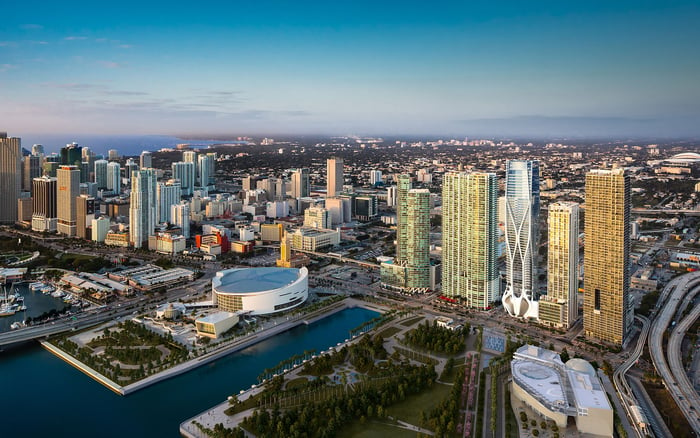
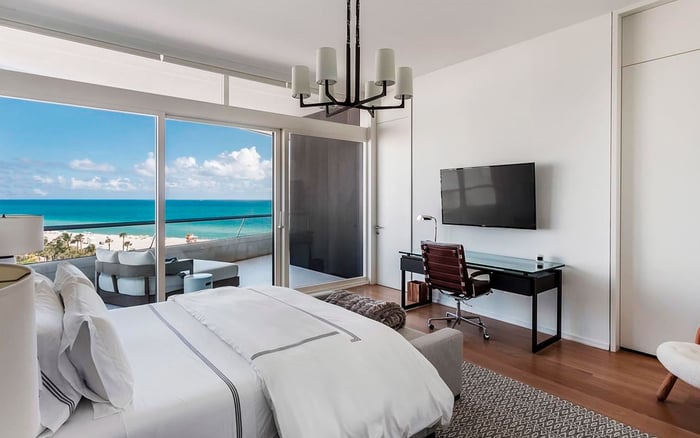
A restaurant downstairs can enrich residential life, but its exhaust, servicing schedule and access arrangements deserve close review. Here is what Miami buyers and owners should request before accepting assurances about comfort upstairs.

The appeal is immediate: dinner an elevator ride away, a lively streetscape and another reason to enjoy the neighborhood on foot. Yet when a restaurant opens beneath a Miami residence, the essential question is not simply whether the concept suits the building. It is whether the operation respects the home above.
For a buyer considering 2200 Brickell or another Brickell address, the important distinction is between neighborhood dining and commercial activity within the property itself. The latter warrants closer examination of exhaust paths, servicing routes and operating conditions. These are diligence considerations, not claims about restaurant uses or conditions at any project mentioned here.
A permit is not a promise of an odor-free terrace or a quiet bedroom. A thorough assessment combines approved documents, an inspection of actual conditions and visits when the restaurant is working hardest.
Request the approved mechanical plans and have a qualified professional trace the kitchen exhaust from the hood through the ductwork to its termination. Locate the outlet relative to the residence's windows, balconies and terraces, as well as shared amenities. Do not stop at the assurance that exhaust goes to the roof; ask precisely where it discharges.
Ask the professional to review kitchen ventilation, exhaust outlets, grease ducts, fans, materials and clearances. The installed system matters as much as the drawing. Ask an engineer to compare the hoods, ducts, fans and cooking equipment with the approved plans and identify any changes requiring further review.
For buyers comparing Downtown Miami residences, including Aston Martin Residences Downtown Miami, this is a unit-specific exercise wherever a restaurant is proposed beneath the home. Establish how the commercial systems relate to the particular residence rather than relying on a building-wide description.
Ask when exhaust fans start, when they stop and whether any equipment runs overnight. Request maintenance responsibilities and service histories, then consider an independent engineering assessment of odor leakage, vibration and noise inside the residence during peak cooking.
Visit during dinner service, but also during morning deliveries, closing and overnight equipment operation where access permits. Spend time in the bedroom and on the terrace, not just in the living room. Record the time, operating conditions and what you experience so that any concern can be investigated.
If the restaurant has not opened, request a post-opening assessment and discuss how problems would be addressed. A pre-opening walkthrough cannot establish the experience of a fully operating kitchen. Have the relevant professionals confirm which exhaust and fire-protection measures apply to the proposed cooking operation.
The advertised closing time is only one part of the schedule. Request permitted customer hours alongside the actual hours proposed for preparation, cleaning, deliveries, waste collection and equipment operation. Ask whether outdoor activity or music has separate conditions.
Do not assume an operating-hours rule applies uniformly across Miami-Dade. Have counsel confirm the jurisdiction, the property's particular approvals and whether any proposed extension requires further authorization.
A buyer considering The Perigon Miami Beach should apply the same jurisdiction-first discipline to any commercial-use question: Miami Beach is not interchangeable with the City of Miami. Have counsel establish the applicable conditions rather than importing restrictions from another municipality or restaurant approval.
Ask management to show you the full servicing route, from truck arrival to storage and waste removal. Confirm anticipated vehicle sizes, delivery windows, unloading locations and idling practices. Determine whether vendors will use a residential garage, lobby, corridor or elevator, and who controls that access.
Grease servicing deserves its own conversation. Where will the pumping vehicle stand? How will servicing equipment reach the interceptor? When will the work occur, and who coordinates it with residential management? These are operational questions to resolve, not restrictions to assume have already been imposed on the operator.
Then follow the trash route. Ask where waste is held, how it moves through the property and when collection is expected. A loading arrangement that looks discreet on a plan still needs a workable schedule. Request written clarification of shared access rather than relying on a verbal promise that residents will rarely notice it.
Ask which fats, oils and grease permits and grease-trap or grease-interceptor controls apply to this restaurant. Request the relevant permit and maintenance documentation for review by a qualified professional.
Request available pump-out dates, service-provider details and maintenance records. Have the operator or relevant authority confirm any applicable reporting deadlines and record-retention requirements rather than assuming a particular schedule applies to every facility.
Also request the restaurant's permit and inspection history, organized across building, electrical, fire, mechanical and plumbing work. Check whether later kitchen alterations or equipment changes received the required approvals. The goal is to connect the current installation to its documentation, not merely to collect an original approval that may predate subsequent work.
Review the condominium declaration, building rules and commercial lease provisions governing odors, noise, hours, loading and shared access. Ask counsel what rights the association and individual owners have, who can enforce them and which documents are available for review.
For a purchaser comparing ORA by Casa Tua Brickell with other residences, the broader principle is straightforward: evaluate the documented relationship between residential life and any commercial operation. Dining appeal is no substitute for operational diligence.
Consider requesting a written operating protocol covering servicing hours, maintenance duties, complaint handling and escalation. Identify who receives a concern, who investigates it and who is responsible for corrective work. Have proposed remedies reviewed legally; a preferred arrangement is not automatically an enforceable right.
The objective is not to remove the pleasure of dining downstairs. It is to preserve the privacy, comfort and ease that make the residence worth choosing. Before accepting assurances, ensure the plans, actual operation and written responsibilities align.
For a considered approach to Miami residential living, explore MILLION.
If branded residences are on your mind — as a home or as an allocation — we would be glad to share what we are seeing, privately.
Begin a quiet conversationRequest approved mechanical plans, applicable operating conditions and a servicing schedule. Review these alongside the condominium documents and current installation.
Its location relative to windows, balconies, terraces and amenities is a key diligence question. Ask a qualified professional to assess the specific arrangement.
No. Approval does not establish how comfortable the residence will feel during actual service, cleaning or overnight equipment operation.
Have a qualified professional compare the current hoods, ducts, fans and cooking equipment with approved plans. Investigate changes and whether required approvals were obtained.
Ask about customer service, preparation, cleaning, deliveries, waste collection and equipment operation. These activities may follow different schedules.
Do not assume uniform restrictions. Have counsel confirm the municipality and conditions attached to the restaurant's particular approvals.
Confirm vehicle sizes, delivery windows, unloading locations, idling practices and routes through the property. Ask specifically about residential garages, lobbies and elevators.
Request applicable permits, available pump-out dates, service-provider details and maintenance records. Confirm any reporting deadlines and retention requirements with the operator or relevant authority.
Visit during morning deliveries, peak dinner service and closing, with overnight checks where access permits. A pre-opening visit cannot establish full-service conditions.
Consider servicing hours, maintenance responsibilities, complaint handling and escalation. Have counsel review proposed obligations, enforcement rights and remedies.