A buyer-focused examination of planned arrival routes, elevator permissions, amenity access, and owner privacy at ORA by Casa Tua Brickell and Viceroy Brickell, with practical questions to resolve before purchase.
In Brickell, hospitality can make a residence feel exceptionally well attended. It can also raise a question that deserves more attention than the finishes: who shares the journey from the street to your front door? For a privacy-minded buyer, the answer lies in entrances, elevator permissions, amenity eligibility, and visitor rules.
ORA by Casa Tua Brickell and Viceroy Brickell warrant different starting assumptions. ORA is marketed as a fully furnished condominium development with short-term rental capability. Viceroy is described as a standalone residential tower. Neither description alone establishes how fully owners are separated from other occupants or visitors.
The useful comparison is not simply whether a building carries a hospitality identity. It is whether each category of user has a clearly defined route-and whether those boundaries are documented. Hotel guest circulation deserves investigation, but it is not a reason to classify both properties as hotel-condos.
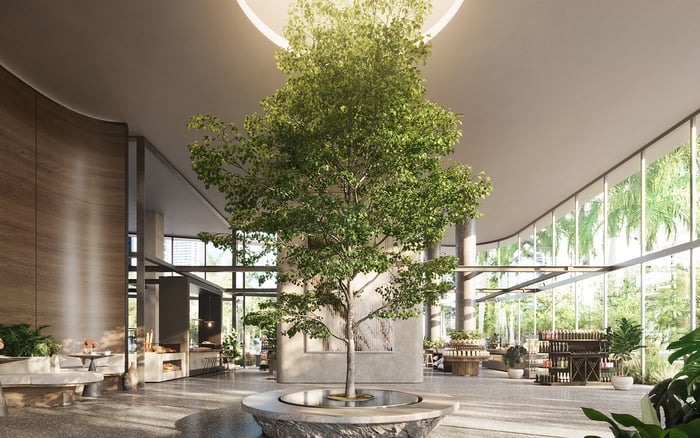
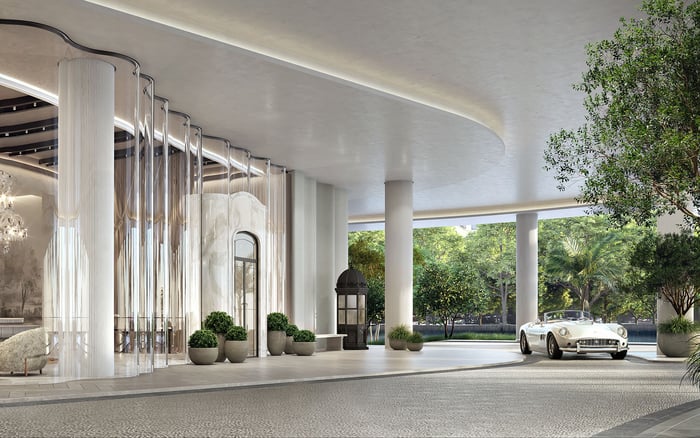
Planned at 1210 Brickell Avenue, ORA by Casa Tua Brickell makes flexible stays and dining part of its residential offering. Its advertised circulation features include dedicated high-speed smart elevators with separate access for owners, short-term guests, and restaurant guests, alongside dedicated employee elevators. A flexible-stay check-in lobby is also promoted as separate from the owner arrival area.
These are meaningful design intentions, but separate access does not necessarily mean separate elevator banks. Request a marked plan showing entrances, reception points, elevator vestibules, and permitted destinations for each user group. Ask the team to explain whether separation is physical, credential-based, or a combination of both.
Then test the full arrival sequence. Where might an owner returning with groceries pass a flexible-stay occupant checking in with luggage? Can restaurant queues extend toward residential reception? What happens when an elevator is unavailable? These are questions to resolve, not established shortcomings. ORA’s advertised features should be understood as planned arrangements, not verified operating conditions.
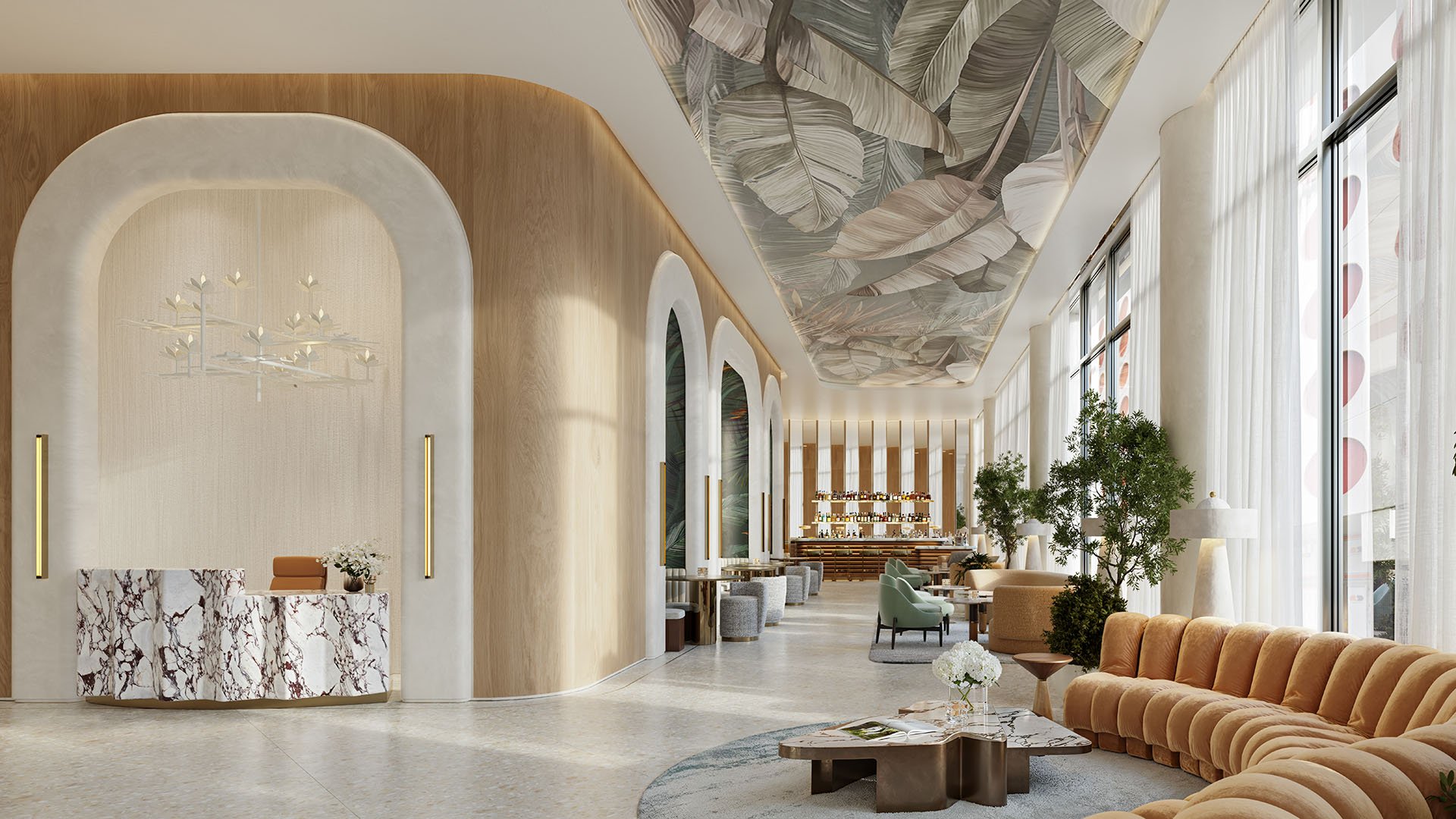
ORA’s planned mix includes approximately 25,000 square feet devoted to Casa Tua dining concepts and creative workspaces. Advertised hospitality offerings include four dining concepts, a rooftop lounge, and a 24-hour gourmet market. The appeal is clear for buyers who value a lively address, but proximity to hospitality is not the same as unrestricted access to residential space.
Request an eligibility schedule for each venue. Can a restaurant reservation authorize rooftop access? Does a market customer remain within a defined commercial area? Can a private event attendee reach the sky garden, pool, or residential corridors? Ask where credentials are checked and whether guests must return through the same controlled route.
For event space, clarify arrival windows, waiting areas, and departure procedures. A dedicated entrance is only part of the experience; buyers should also understand any shared vestibules, garage connections, and transitions between venues. An amenity’s name or location in the tower does not establish access rights.
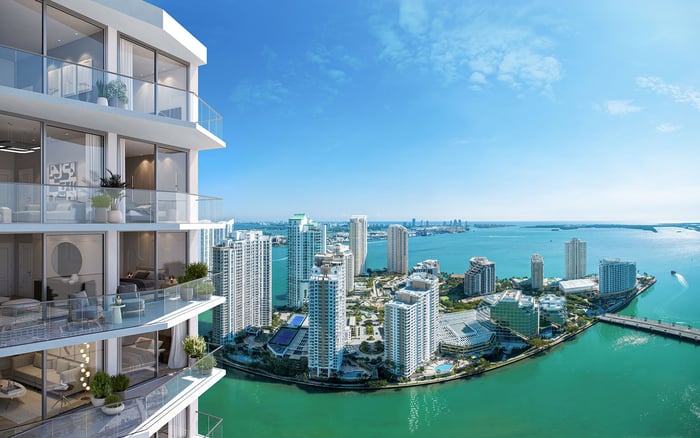
At 77 SE 5th Street, Viceroy Brickell sits at the gateway of Brickell Avenue and the Miami River. Described as a standalone residential tower, it combines condominium ownership with approximately 37,000 square feet of amenities operated by the Viceroy hospitality team.
That residential designation marks an important distinction from ORA’s flexible-stay positioning. It does not, however, establish a rental prohibition or a ban on outside guests. Request the rental restrictions and visitor policies rather than treating the brand or building category as a substitute.
Private key-activated elevator access is advertised, but precise floor permissions and visitor procedures remain to be confirmed. Does a visitor credential reach only the host’s floor? Is amenity access separately authorized? How are housekeepers, personal trainers, and maintenance personnel admitted? Ask who approves access, when credentials expire, and how exceptions are handled. Hospitality staffing and residential access controls are related but distinct considerations.
ORA’s advertised residential offering includes private lounges, pools, fitness and spa facilities. Its planned amenities also include a 12th-floor pool, cabanas, Jacuzzi, show kitchen, private event space, and three-story open sky garden. The advertised program does not establish which spaces, if any, nonresidents may use.
Viceroy’s 14th-floor amenity deck includes a heated swimming pool, outdoor spa, cabanas, summer kitchen, landscaped lounges, and poolside café. Its broader offering includes a fitness and wellness center, spa, screening room, wine-tasting salon, billiards lounge, and multi-sport and Formula 1 simulator studio.
For both properties, request a room-by-room account of eligibility: owners only, authorized occupants, accompanied guests, or another category? Ask whether café access carries any right to use the surrounding deck, whether private bookings restrict ordinary resident use, and whether guest limits change during events. The word private is most useful when backed by a precise eligibility rule, not merely an amenity description.
Second-home buyers should look beyond arrival during a scheduled presentation. Ask the team to walk through a routine morning delivery, an evening dinner gathering, a contractor visit, and a late-night guest arrival. At ORA, add a flexible-stay check-in and restaurant departure to the exercise. At Viceroy, focus on visitor admission and movement between the café, amenities, and residential floors.
Service circulation deserves equal attention. ORA advertises employee elevators, but buyers should still clarify loading, package handling, housekeeping, and the routes used when equipment is out of service. At Viceroy, request the same operational explanation without assuming an equivalent physical arrangement.
Buyers also considering The Residences at 1428 Brickell should bring the same questions to that evaluation rather than treating any address as a privacy benchmark without documentation. The objective is a consistent review across a shortlist, not a traffic ranking unsupported by comparable visitor counts.
Before purchase, request the current condominium declaration, rental restrictions, access-control plans, amenity eligibility rules, service and delivery routes, and applicable brand-management agreements. Ask counsel to distinguish binding provisions from advertised features and identify who has authority to modify operating rules.
Keep a separate record of unresolved questions. A substantive answer should identify the relevant entrance, credential, destination, and approving party. If an arrangement is still planned, ask which document will ultimately govern it and when that document can be reviewed.
There is no basis here to conclude that Viceroy necessarily has less traffic or that ORA’s advertised separation guarantees complete privacy. The better purchase decision aligns with your tolerance for shared activity and rests on clear, durable rules.
For a discreet perspective on your Brickell residential shortlist, connect with MILLION.
If branded residences are on your mind — as a home or as an allocation — we would be glad to share what we are seeing, privately.
Begin a quiet conversationThey should not both be framed that way. ORA is marketed as furnished condominiums with short-term rental capability, while Viceroy is described as a standalone residential tower.
ORA is planned at 1210 Brickell Avenue, Miami, FL 33131.
ORA advertises separate elevator access for owners, short-term guests, and restaurant guests, plus a separate flexible-stay check-in lobby. Buyers should confirm whether the separation involves distinct elevator banks, credential controls, or both.
Dedicated employee elevators are advertised. Buyers should still clarify delivery, housekeeping, loading, and backup service routes.
The advertised amenity program does not establish those permissions. Buyers should request written eligibility rules for the rooftop, sky garden, pools, lounges, and residential corridors.
Viceroy Brickell is at 77 SE 5th Street, Miami, FL 33131, at the gateway of Brickell Avenue and the Miami River.
Private key-activated elevator access is advertised, but precise floor permissions and visitor procedures are not established. Ask which destinations each credential permits and how temporary access expires.
The designation alone does not establish a rental prohibition or a ban on outside guests. Review the current rental restrictions and visitor policies.
Request the condominium declaration, rental restrictions, access-control plans, amenity eligibility rules, service and delivery routes, and applicable brand-management agreements.
No comparable visitor counts, occupancy data, or verified daily circulation measurements establish that conclusion here. Evaluate documented access arrangements rather than assuming a traffic advantage.