A buyer-focused review of ORA by Casa Tua Brickell’s disclosed resident-service functions, with practical questions about biometric consent, non-biometric access, privacy, and reliable fallback credentials.
Luxury ownership should feel effortless at the threshold: returning home, welcoming family, receiving a delivery, or arriving without a functioning phone. At ORA by Casa Tua Brickell, the practical question is not whether biometric entry sounds sophisticated. It is whether access arrangements are clearly documented, usable by the entire household, and resilient when technology fails.
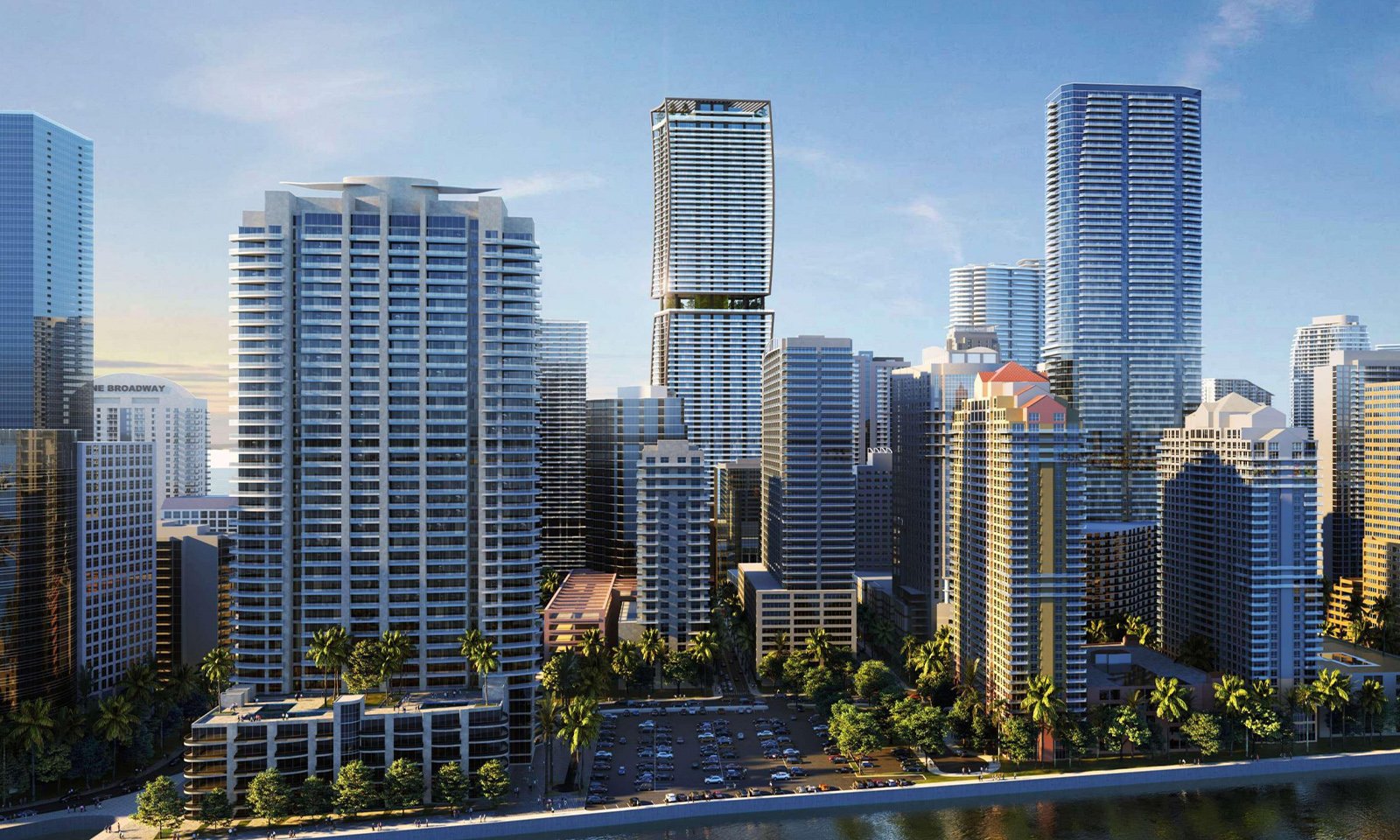
The project site is at 1210 Brickell Avenue, Miami, FL 33131. Its residences are marketed for flexible ownership, with layouts ranging from studios to four-bedroom units. The sales lounge occupies a separate address at 1300 Brickell Avenue. Buyers should distinguish the two when arranging visits and discussing the eventual residential arrival experience.
Mandatory biometric enrollment is not confirmed, nor is a facial, fingerprint, palm-vein, or other biometric entry system identified. A right to decline biometrics while retaining unrestricted access is also unconfirmed. Neither biometric entry nor a guaranteed opt-out should be assumed.
The ORA - My Concierge app supports communication with administration, valet requests, and package management. These resident-service functions do not establish how someone unlocks a secured door, reaches a residential floor, or enters parking.
The same distinction applies to guest invitation links. Residents can send them through the app, but that capability does not establish that a link replaces an access card, fob, or identification check. Food-delivery preauthorization is also supported; how delivery personnel enter secured areas remains unexplained.
Family-member registration does not specify whether additional occupants receive physical, mobile, or biometric credentials. Vehicle registration does not identify a garage-entry method. Pet registration likewise does not establish any effect on entry or amenity access.
Request a written explanation connecting each digital action to its physical result. Does an invitation notify staff, authorize a temporary credential, or simply record an expected visitor? Each possibility remains a question until management supplies the applicable procedure.
Before examining consent language, establish what access technology is actually intended for the residence. Request a written description covering the residential entrance, elevators, parking, amenities, and any hospitality areas relevant to ownership.
If biometrics are proposed, ask which modality would be used and whether enrollment would be required at every access point or only in selected spaces. Seek the same clarity for owners, additional household members, eligible tenants, and guests. One credential description should not be treated as an answer for every category of user.
For buyers also considering Cipriani Residences Brickell, these questions offer a consistent comparison framework. They are a way to evaluate ownership arrangements, not a statement that either project uses a particular access technology.
If a biometric system is contemplated, request the enrollment notice and consent form before agreeing to participate. Ask whether consent is separate from purchase documents, whether enrollment is mandatory, and whether a resident can later withdraw consent.
The central follow-up is access after withdrawal. Would the owner retain access to the residence, elevators, parking, amenities, and relevant hospitality areas? Would an alternative credential require additional approval, cost more, or restrict access to certain hours? Request answers for each area rather than accepting a general assurance that alternatives exist.
Website-cookie consent is not consent to building biometrics. ORA’s website-cookie consent terms do not establish a biometric enrollment procedure, a withdrawal process, or residential access rights. The documents buyers need should specifically address the proposed building system and its users.
These are due-diligence recommendations, not verified ORA policies or assertions about established legal requirements. Have counsel review the actual documents and any proposed commitments before relying on them.
A definitive fallback credential for residents who decline or cannot use biometrics is not identified among the app’s described functions. A fob, card, PIN, QR code, mobile credential, or temporary pass should therefore be discussed as a possible option-not presented as an available ORA feature.
A useful written response should identify the alternative, who qualifies for it, where it works, and how it is issued. Ask about replacement fees, identification requirements, concierge approval, expiration, and revocation. Confirm whether family members and eligible tenants can receive their own credentials rather than depend on the owner’s device.
For second-home owners, this distinction is especially consequential: how would an authorized person gain access while the owner is away? An invitation workflow alone does not establish whether a guest can complete arrival without further intervention.
Buyers comparing The Residences at 1428 Brickell can apply the same credential questions without assuming shared systems or policies. Compare documented permissions and procedures, not the appearance of an app interface.
An alternative credential and an outage procedure serve related but distinct purposes. Ask what happens when a phone is lost, a battery dies, an account is locked, a biometric match fails, or an app, power, or connectivity outage occurs. A backup that relies on the same unavailable service may not solve the immediate problem.
Request the procedure for each scenario: whom to contact, what identification to present, where assistance is available, and how temporary access is authorized. Clarify whether it covers parking and elevators as well as the entrance. None of these arrangements is confirmed by the described concierge functions.
At a sales meeting, work through a realistic arrival: the owner returns without a working phone while a family member is already inside. Ask management to explain every step, then request the governing procedure in writing. A practical example can reveal ambiguity without assuming a failure has occurred.
Before signing or closing, request the declaration, bylaws, rules, privacy policy, security specifications, and relevant technology-provider agreements. Ask which document governs enrollment, credential eligibility, access restrictions, and future changes to the system.
If biometric data would be collected, ask who holds the templates and access logs, how long records are retained, who may review them, and what happens after consent withdrawal or ownership transfer. A biometric vendor, storage architecture, retention period, encryption standard, and data custodian remain unidentified.
Finally, ask who can change access technology after closing and how owners would be notified. The ownership objective is straightforward: clearly documented access, a usable alternative if offered, and an understandable recovery procedure. Until those terms are established, biometric access, opt-out rights, and fallback credentials remain unverified operational details.
For a discreet perspective on South Florida ownership decisions, explore MILLION.
If branded residences are on your mind — as a home or as an allocation — we would be glad to share what we are seeing, privately.
Begin a quiet conversationThe project site is at 1210 Brickell Avenue, Miami, FL 33131. The sales lounge is at a separate address, 1300 Brickell Avenue.
ORA markets flexible-ownership residences ranging from studios to four-bedroom units. Access arrangements should be confirmed separately from the residence offering.
Public disclosures do not confirm mandatory biometric enrollment or identify a specific biometric entry method. Buyers should request written clarification before assuming biometrics are part of the access system.
Public disclosures do not establish that right. Request written terms covering residences, parking, elevators, amenities, and relevant hospitality areas.
It supports administration communication, valet requests, package management, food-delivery preauthorization, guest invitation links, and family, vehicle, and pet registration. These functions do not establish physical access permissions.
The app description does not establish that invitation links replace access cards, fobs, or identification checks. Ask how an invitation translates into admission at each secured access point.
The app description does not identify a definitive fallback credential for residents who decline or cannot use biometrics. Ask which alternatives, if any, are available and where they work.
No biometric enrollment procedure is established by the website-cookie disclosure. Request consent documents specifically addressing any proposed building biometric system.
Request written procedures for lost phones, dead batteries, locked accounts, failed biometric matches, app outages, and power or network interruptions. Confirm whether assistance covers parking and elevators as well as the entrance.
Request the declaration, bylaws, rules, privacy policy, security specifications, and relevant technology-provider agreements. If biometrics are proposed, also ask about data custody, retention, consent withdrawal, and future system changes.