Orientation at Mandarin Oriental Boca Raton shapes more than the view. This buyer-focused analysis considers sunrise, sunset, afternoon heat, terrace comfort, floor height, glazing, noise, and the resale implications of each unit line.
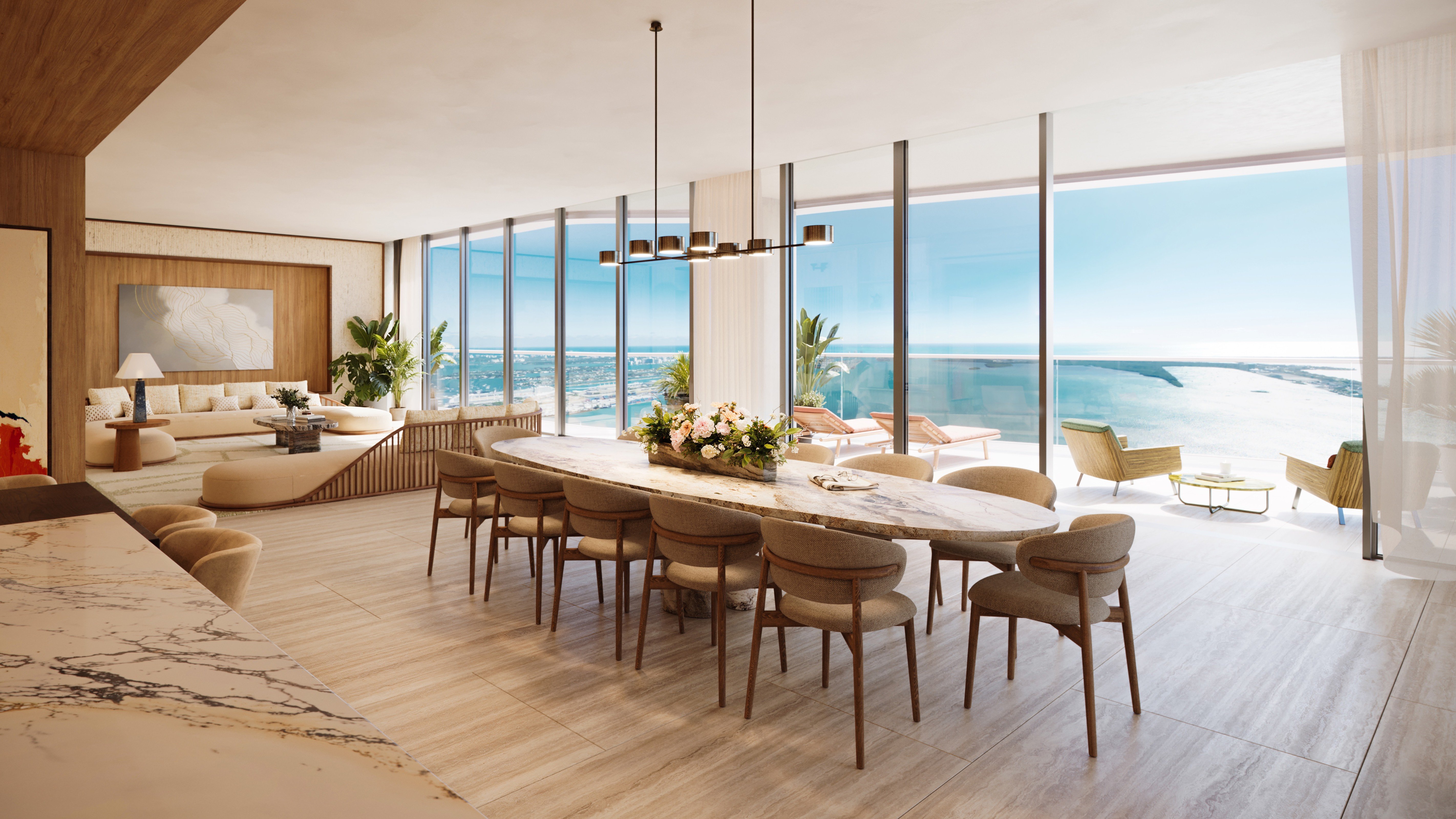
At The Residences at Mandarin Oriental Boca Raton, choosing between sunrise and sunset is not merely an aesthetic decision. Orientation can influence when direct light enters a room, where glare appears, when a terrace feels inviting, and how easily a future buyer understands the residence's view story.
The essential discipline is to evaluate the exact residence rather than relying on a general description of the building. A compass-marked floor plan, stack plan, terrace dimensions, glazing details, shade provisions, and any available sun-path materials can help establish how the home may perform at different hours.
The best exposure is the one that supports how an owner actually lives.
East- and southeast-oriented residences are the logical candidates for sunrise light. They may appeal to owners who use a breakfast area, primary suite, workspace, or outdoor seating early in the day. Because the strongest late-day sun arrives from the west, an eastern orientation may also support more comfortable afternoon use than a comparable western exposure, subject to the residence's design and surroundings.
West- and southwest-oriented homes offer a different experience. Sunset can bring atmosphere to entertaining spaces and create a memorable impression during evening showings. The tradeoff is the possibility of stronger late-day glare and warmer interior or terrace surfaces, making shading, glazing, and cooling performance especially important.
Neither direction is categorically superior. Sunrise may suit an early schedule and frequent late-day terrace use, while sunset may suit owners who entertain around dusk. A corner or multi-exposure layout may deliver light from more than one direction, but every room still deserves a separate orientation review.
Outdoor space should be judged as a functional part of the residence. A large terrace that is uncomfortable during an owner's preferred hours may contribute less to daily life than a more protected outdoor area with a less dramatic compass orientation.
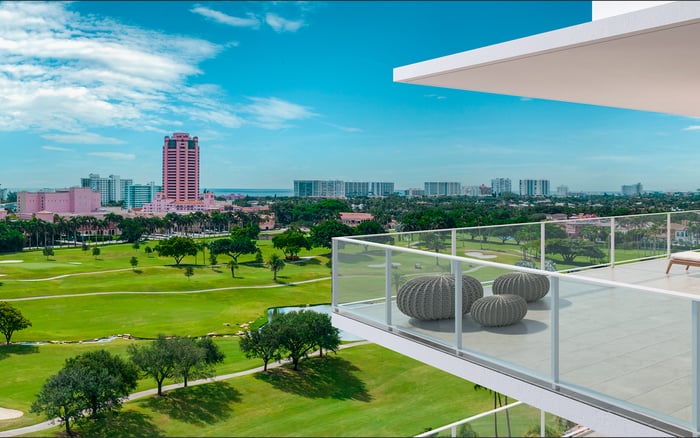
For a western residence, investigate overhang depth, neighboring balconies, nearby structures, and the hours when direct sun may reach seating areas. Confirm what shade options and electrical provisions are included or permitted. For an eastern residence, study morning glare and determine when the outdoor area moves into shade.
Wind and noise should be assessed rather than assumed. When access is available, visit at contrasting times or request time-stamped footage. Observe shadows, reflections on screens, surface warmth, sound conditions, and whether the terrace doors can remain open comfortably.
Large areas of glass can maximize daylight and frame long views, yet west- and southwest-facing rooms may experience more late-day glare and solar gain. Buyers should request glazing specifications, including any available solar-performance information, and clarify the scope of shade provisions. Cooling estimates may also help reveal whether an exposure will require frequent intervention.
Interior planning matters as well. A television, work area, art collection, or delicate furnishings placed in direct afternoon light may affect how a room is used. The useful question is not simply whether the residence is bright, but whether its daylight can be controlled in a way that remains compatible with the owner's routine and interiors.
Elevation can change the character of a view, but floor number should not be treated as a complete answer. Existing buildings, possible future development, terrace geometry, and the angle of sight from principal rooms all require review before a buyer assigns a premium to an outlook.
Noise should be tested alongside sunlight. Compare the residence with alternatives facing different directions, and request recordings with terrace doors open and closed when possible. Conditions can vary by hour, so a single quiet visit may not represent the times when the home will be occupied most.
A mixed-view layout can be compelling because rooms may receive different light throughout the day. Such a home should be assessed room by room rather than described with one directional label. A desirable exposure in the living area may perform differently in a bedroom, kitchen, or terrace.
Orientation can also be evaluated across the local luxury market. Buyers comparing Alina Residences Boca Raton, Glass House Boca Raton, or Mr. C Residences Boca Raton can apply the same method: map the sun, test outdoor usability, identify nearby obstructions, assess noise, and distinguish a broad view description from the experience of a specific home.
Comparisons are most useful when made at similar times of day. A morning tour of one residence and a sunset tour of another can exaggerate differences. Buyers should seek comparable evidence and document the conditions behind any premium attributed to light, elevation, or view.
A recognizable outlook can help differentiate a residence at resale, but the view is only one part of the proposition. A future purchaser may also ask whether the terrace works during prime hours, whether shades must remain lowered, whether glare interferes with screens, and whether outside noise reaches the principal rooms.
An eastern residence can offer a clear narrative centered on sunrise and morning light. A western residence can offer an equally understandable story focused on sunset and evening atmosphere, balanced against closer scrutiny of heat management. Multi-exposure homes may attract attention for varied light and broader outlooks when shading and climate control support comfortable use.
Before committing, confirm the exact orientation, examine the residence at contrasting hours, verify glass and shade specifications, study possible obstructions, and document the conditions supporting any view premium. The strongest purchase is not necessarily the home with the most sunlight, but the one where light, outlook, interior comfort, and outdoor use remain aligned with the owner's priorities.
For private guidance on selecting the right Boca Raton residence, connect with MILLION.
If branded residences are on your mind — as a home or as an allocation — we would be glad to share what we are seeing, privately.
Begin a quiet conversationEast- and southeast-oriented residences are the logical candidates. Buyers should confirm the exact compass direction for the specific home.
West- and southwest-oriented residences are the strongest candidates for sunset light. They may also require closer review of late-day glare and heat.
An eastern terrace may avoid the strongest late-day sun. Actual comfort still depends on shading, wind, terrace geometry, and nearby structures.
Terrace depth and overhead structures can affect shade across outdoor seating and adjacent glass. Homes with similar orientations may therefore perform differently.
Ask for available glass specifications, solar-performance information, shade provisions, and cooling estimates. These details can clarify how direct sunlight may affect the interior.
No. Elevation can change a view, but obstructions, sight angles, terrace geometry, and possible nearby development also require review.
A corner or multi-exposure layout may receive light from several directions. Each room should still be assessed separately for glare and comfort.
Visit or request time-stamped footage during the late afternoon and near sunset. Observe glare, shadows, surface warmth, and terrace usability.
Yes. Buyers should compare orientations and, when possible, test sound with terrace doors both open and closed at relevant hours.
Orientation can shape the residence's view story and daily usability. Resale appeal remains specific to the home, floor, outlook, and comfort conditions.