A buyer-focused look at Origin Bay Harbor Islands, examining the accessibility details, service routes, and caregiver arrangements that determine how comfortably a residence can support changing needs.
The most enduring luxury is a home that remains comfortable as household needs change. For buyers considering Origin Bay Harbor Islands, that means looking beyond finishes and views to the daily choreography of arrival, assistance, deliveries, and movement through the home.
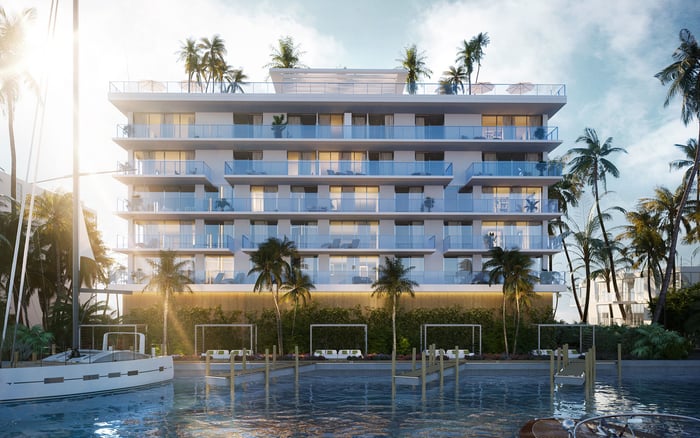
Marketed at 9760 West Bay Harbor Drive, Origin is described as a 27-residence condominium with more than 100 feet of waterfront on the island’s northwestern shore. Advertised features include direct elevator access, designated self-parking, and residential-floor storage. These are useful starting points-not confirmation of accessibility or a care-ready operating model. Confirm current completion and operating status before relying on any advertised feature.
Evaluate a residence against the household’s routines, not simply its room count. A visiting therapist, an overnight caregiver, or a future mobility aid each introduces requirements that a conventional presentation may leave unanswered.
Begin with the journey from vehicle to residence. Designated self-parking is advertised for all residences, along with EV charging stations. Neither establishes where a caregiver may park, whether two providers can overlap during a shift change, or how an accessible vehicle would load and unload.
Request a route plan showing parking, loading areas, doors, elevators, and the residence entrance. Where access is available, walk the route with the intended user and, if relevant, their mobility equipment. Check gradients, thresholds, door operation, weather protection, and places to pause without obstructing circulation.
Ask management to distinguish resident parking from visitor and staff arrangements. Overnight permission, credential issuance, temporary replacements, and late arrivals deserve written answers. A workable plan should accommodate routine visits as well as an unexpected change in provider.
For buyers also considering Bay Harbor Towers, apply the same arrival checklist rather than assuming similar logistics from the shared island setting.
Direct elevator access is advertised for each Origin residence. That does not establish cab dimensions, door clearances, capacity, or a separate service-elevator arrangement. The distinction matters when a resident, caregiver, delivery cart, and mobility device need to move through the building.
Obtain dimensioned plans and clarify how deliveries and service personnel reach the home. Ask whether household staff use the same entrance as guests, whether delivery hours are restricted, and how bulky equipment deliveries are scheduled. Privacy depends in part on where these movements converge.
Emergency access belongs in the same review. Confirm how responders gain entry, who can authorize access when an owner cannot answer, and what procedures apply during elevator outages. Advertised security does not, by itself, answer those questions.
A buyer comparing Onda Bay Harbor should request the same circulation documents. The meaningful comparison is the complete route and its operating rules, not the elevator description alone.
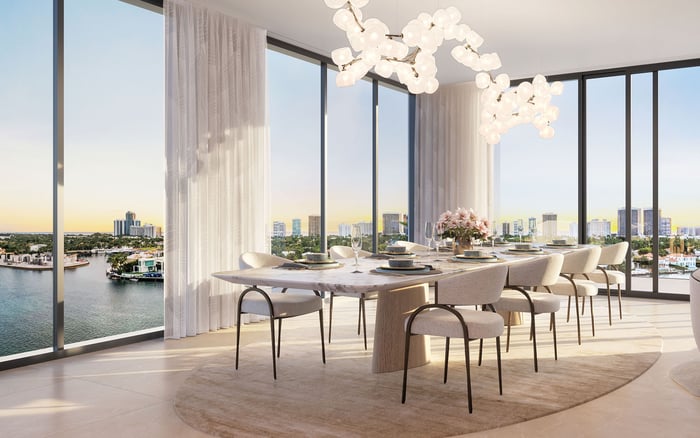
Advertised finishes at Origin include Italian porcelain flooring, oversized walk-in closets, and floor-to-ceiling, impact-resistant sliding glass doors and windows. These specifications do not establish wheelchair maneuverability, flush terrace thresholds, or manageable door-operating forces.
Have an accessibility professional assess the exact residence. Review clear door openings, turning space, bathroom access, shower entry, kitchen reach, and the path around the bed with furniture in place. Allow for a caregiver beside the resident, not merely a mobility device passing through an empty room.
Closets merit equal attention: storage volume and usable reach are different measures. Evaluate sliding doors for tracks, hardware, and operating effort rather than appearance alone.
Before budgeting for alterations, establish which association approvals would be required. Request a residence-specific assessment of proposed changes, including bathroom work, hardware replacement, or altered cabinetry. Neither a spacious layout nor a premium finish package establishes ADA compliance or suitability for an individual household.
Advertised 24-hour security and personalized services at Origin should not be interpreted as confirmation of a round-the-clock concierge, nursing support, or assisted living. These features do not establish a specialized medical or assisted-living program.
For a household using outside providers, clarify visitor credentials, overnight stays, shift changes, and entry when the resident is unavailable. Ask how recurring providers are registered and how access is withdrawn when an assignment ends. Distinguish permission to enter the building from permission to accompany a resident into amenities.
Evaluate the intended care arrangement independently of the condominium. Check actual travel times to preferred clinicians and confirm providers’ willingness to serve the address and schedule. Keep the building’s role distinct from the provider’s responsibilities.
If the search extends to Bal Harbour and Rivage Bal Harbour, carry this written brief forward without presuming equivalent staffing or access policies.
Storage units on every residential floor are advertised at Origin. Confirm allocation, dimensions, permitted contents, access hours, and the route between storage and the residence before planning to keep mobility aids or care supplies there. Nearby storage is useful only if the household can use it as intended.
Lobby-level mail and parcel rooms with individual access raise another practical question: who may collect deliveries for the resident? Establish authorization procedures and clarify how larger items reach the home.
Advertised full-size, front-loading washers and dryers support in-home laundry routines. Check the working space around open appliance doors and whether the appliances’ location suits the proposed caregiving arrangement.
Advertised fiber-to-the-home connectivity offers relevant infrastructure for telehealth and communication, but service availability and reliability require confirmation. Likewise, assess whether the advertised Nest thermostats are convenient for the resident and any authorized helper.
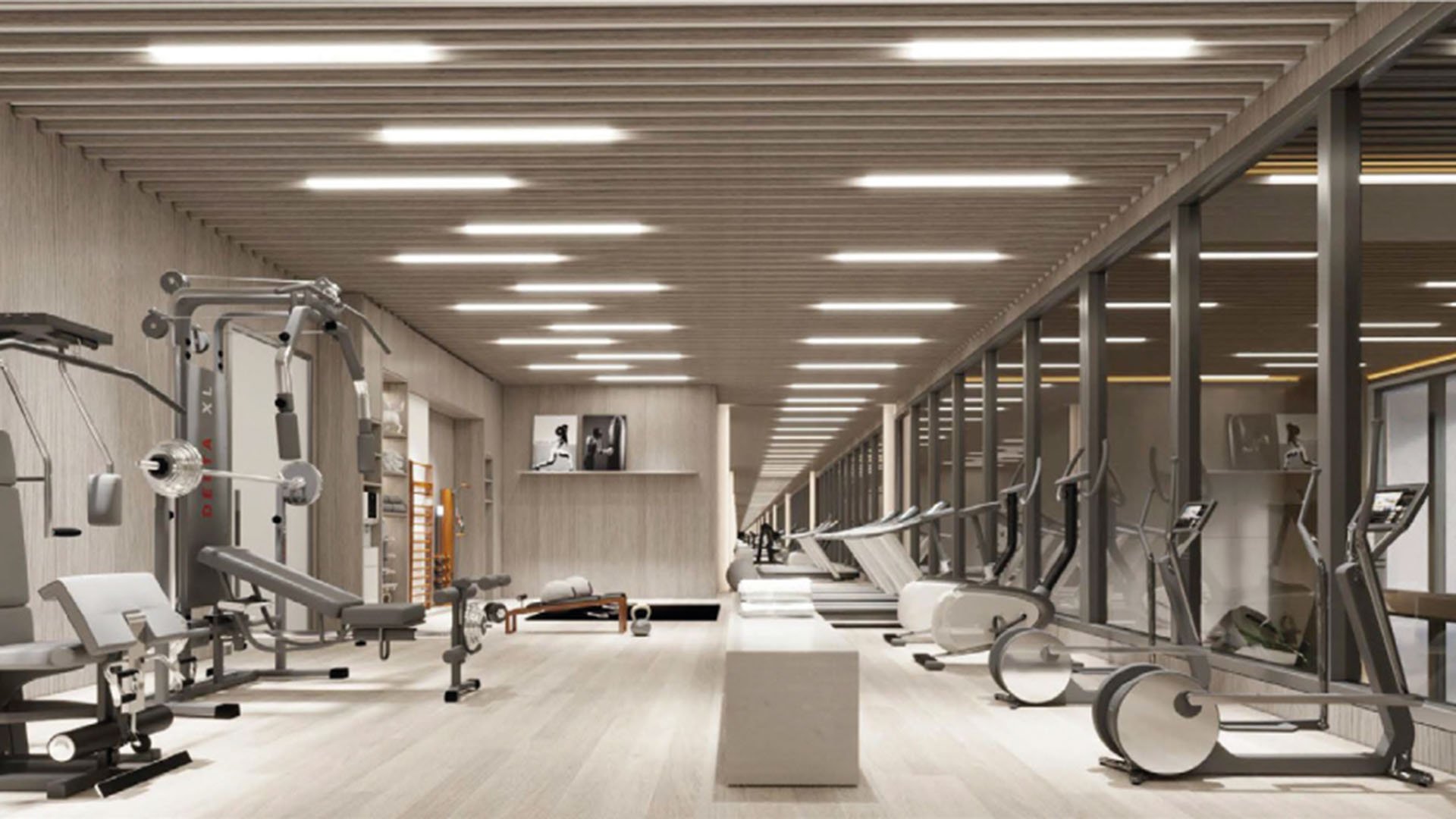
Include the advertised rooftop pool, summer kitchens, bar, and gym in the accessibility walkthrough. Spa facilities and outdoor lounge areas also warrant review. Ask about routes, seating, changing facilities, pool entry, and caregiver accompaniment rather than treating amenity access as automatic.
Confirm the marina’s final configuration, slip count, vessel-size limits, usage rights, and dock access before making boating part of a long-term plan. Waterfront frontage alone says nothing about the ease of boarding.
Before committing, assemble a residence-specific file: dimensioned plans, parking and visitor rules, elevator specifications, storage terms, provider-entry procedures, and written guidance on modifications. If the building is not available for a complete walkthrough, identify which physical checks remain outstanding.
The objective is not to label a luxury condominium universally accessible. It is to determine whether one home, its shared spaces, and its operating arrangements can support a particular household with dignity, privacy, and manageable daily effort.
For a discreet assessment of how a South Florida residence fits your long-term priorities, connect with MILLION.
If branded residences are on your mind — as a home or as an allocation — we would be glad to share what we are seeing, privately.
Begin a quiet conversationOrigin is marketed at 9760 West Bay Harbor Drive in Bay Harbor Islands.
The project is described as a 27-residence condominium with more than 100 feet of waterfront. Buyers should confirm current completion and operating status.
No. Direct elevator access does not establish cab dimensions, door clearances, step-free routes, or suitability for a particular mobility device.
A separate service-elevator arrangement is not established by the direct-access description. Request plans and operating rules showing how staff, deliveries, and equipment reach the residence.
Designated self-parking is advertised for residences, but caregiver parking rights are not established. Confirm visitor parking, overnight permission, and shift-overlap arrangements in writing.
Advertised 24-hour security and personalized services do not establish a specialized medical or assisted-living program. Confirm any support arrangements separately rather than treating building services as clinical care.
Storage units are advertised on every residential floor, but suitability depends on allocation, dimensions, permitted contents, and access rules. Confirm those details before relying on the space.
No. Porcelain flooring, oversized closets, and sliding glass doors do not establish accessible clearances or thresholds; an accessibility professional should assess the chosen residence.
Accessible use is not established by their inclusion as amenities. Confirm final specifications, physical access, and caregiver accompaniment rights.
Obtain a residence-specific accessibility assessment and confirm required association approvals. Review proposed alterations before setting a budget or assuming the home can accommodate future needs.