For an Onda buyer, any identified concrete, waterproofing or façade work should be evaluated through its technical scope, funding plan and unit-level liability. A disciplined offer prices documented obligations while protecting against unresolved costs and closing risks.
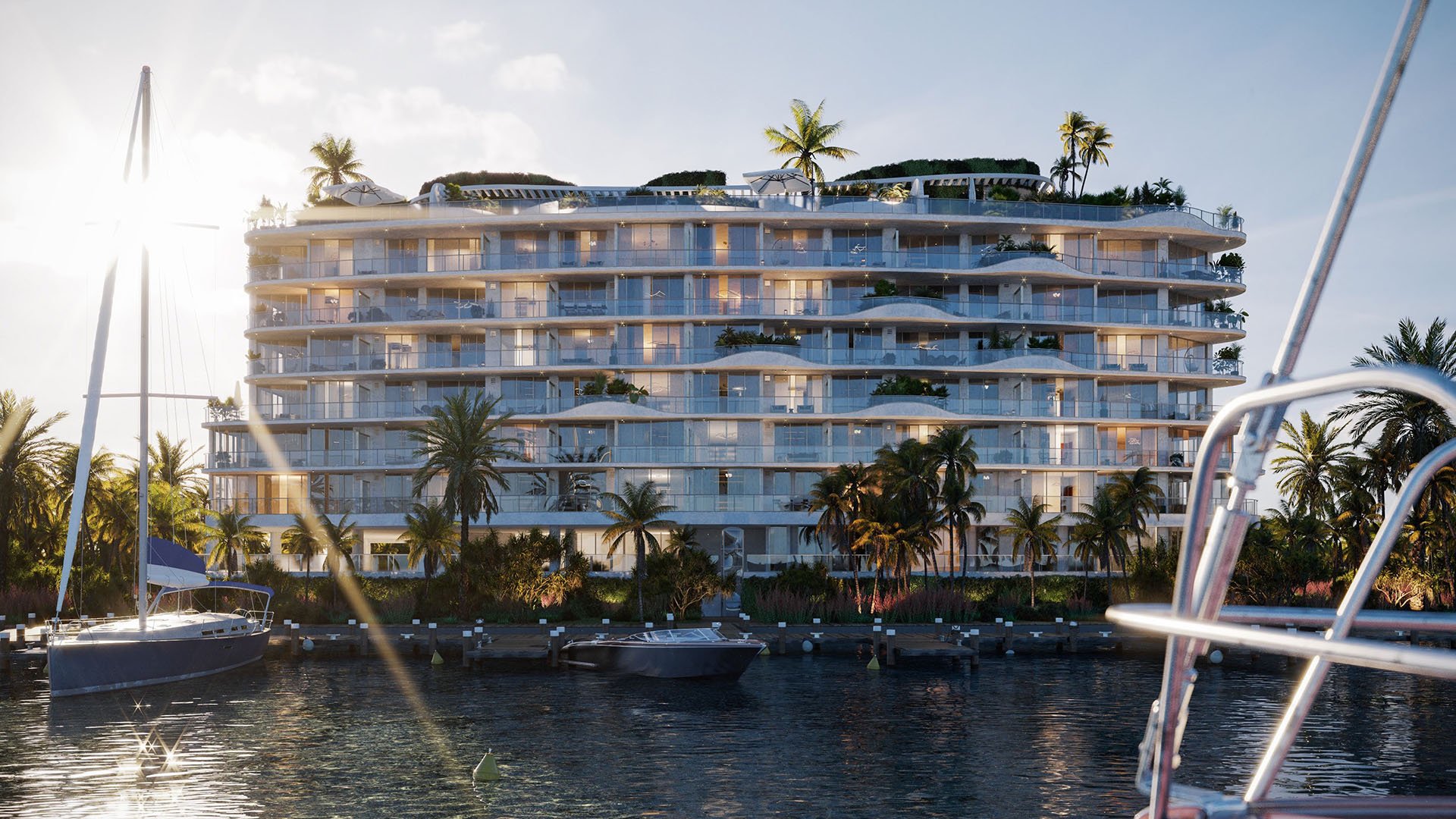
At Onda Bay Harbor, the purchase proposition begins with a boutique waterfront setting: an eight-story, 41-residence condominium at 1135 103rd Street in Bay Harbor Islands. Designed by Arquitectonica and developed by CMC Group with Morabito Properties, the building reached construction completion, received a Temporary Certificate of Occupancy and began owner closings in August 2024.
That history does not guarantee present condition, final permitting status or freedom from defects. Nor should this discussion be read as a finding that Onda has pending concrete, waterproofing or façade deficiencies. Any such issue must be established through current, building-specific documentation.
For a buyer, the principle is straightforward: price documented exposure, not an alarming label. If work is identified, its scope, funding, timing and contractual allocation should inform the offer together.
“Façade work” can describe materially different undertakings. Structural restoration may involve concrete spall repairs, replacement of corroded reinforcing steel, post-tension repairs, balcony reconstruction or waterproofing. These are examples of restoration activities, not established conditions or repair requirements at Onda.
Ask a qualified engineer to distinguish cosmetic treatment from repairs addressing deterioration or water entry. Where relevant, the technical scope should explain how damaged concrete will be removed, how affected reinforcing steel will be treated or replaced, and which waterproofing system is proposed for the coastal environment.
Then establish the project’s status. Is the work completed, scheduled, awaiting a defined scope, unfunded or disputed? A finished repair supported by completion documentation warrants a different offer response than an open-ended proposal. Neither a reassuring description nor a seemingly substantial contractor estimate settles every question of necessity, responsibility and completion.
Request available engineering reports, building-official notices, repair plans, contractor bids and anticipated schedules through the seller and, where accessible, the association or property manager. Listing disclosures are a starting point, not the full review. Have counsel determine the appropriate route for obtaining documents rather than assuming unrestricted access to association records.
Cross-check the association’s information against permit, violation and inspection records from the authority responsible for the Bay Harbor Islands property. Miami Beach municipal records are not a substitute. Ask your attorney and engineer to reconcile discrepancies before treating the file as complete.
Run the financial review alongside the technical review. Examine the reserve study, current budget, assessment history, assessment notices and relevant board minutes. Together, these documents should clarify what has been approved, what remains under discussion and how any work would be funded. Building age alone is not a sound basis for assigning an inspection deadline.
A repair budget is not automatically the buyer’s liability. Start with the allocation provisions in the condominium documents. Do not divide a building-wide estimate by 41 simply because Onda contains 41 residences; the governing allocation must determine the unit’s share.
Next, distinguish the project’s total cost from the amount owners may need to contribute. Ask whether identified funding is available, whether an assessment has been approved and whether additional costs remain unresolved. Required structural work can lead to special assessments, but discussing repairs does not make an assessment inevitable.
For a buyer also considering Bay Harbor Towers, apply the same document-led discipline independently. A comparison is meaningful only when each residence’s obligations are understood; this does not imply that either property has pending work.
The financial obligation is only part of the decision. If a verified scope includes balcony reconstruction or exterior access, ask whether it would affect the residence’s terrace, privacy or intended occupancy. Obtain the anticipated schedule rather than assuming work will conclude before your preferred arrival date.
Separate documented restrictions from possible inconvenience. Ask which areas would be affected, for how long and what remains uncertain. A buyer planning seasonal use may evaluate the same schedule differently from someone intending to occupy the residence year-round.
If the search extends to Bal Harbour and Rivage Bal Harbour, maintain that distinction between lifestyle appeal and verified ownership obligations. Alternative properties should not be presumed free of repair or funding questions without their own review.
Where repair costs and the residence’s share are established, potential responses include seller payment, a closing credit or a purchase-price reduction. These are negotiation options, not automatic entitlements. The appropriate structure depends on the documents, the parties’ agreement and any financing constraints.
A price reduction is not the same as payment of an assessment. Have the buyer’s attorney specify who bears known special assessments and board-approved repair obligations, including any relevant installments payable after closing. Do not leave that allocation to a general understanding between buyer and seller.
Where scope or funding remains unsettled, a precise discount may create false confidence. Consider proposing a document-review contingency covering structural information, association minutes and assessments. Counsel should draft the review period and any negotiated remedies expressly. The aim is not simply a lower price, but protection against accepting obligations that cannot yet be evaluated.
Involve the lender before the transaction reaches its final stages. Unresolved structural concerns, repair funding and reserve adequacy can affect financing approval or closing conditions. Ask what building documentation the lender needs and whether the proposed transaction structure is acceptable. Do not assume a negotiated credit resolves the underlying concern.
Open safety violations, major reconstruction without a final funding plan, approved-but-unbilled assessments and disputes over responsibility warrant closer professional review. A suggestion that the developer or contractor will pay is no substitute for clarifying the obligation and its funding.
These circumstances need not lead to automatic rejection. They do justify pausing an unconditional commitment until the buyer’s attorney, engineer and lender, where applicable, have evaluated the relevant issues.
The strongest offer distinguishes a known obligation from an unresolved possibility. Defined scope, credible scheduling, established funding and explicit payment allocation can make identified work a negotiable transaction issue. Unclear responsibility or unquantified exposure may instead call for stronger protections, more review time or a decision not to proceed.
At Onda, the architectural proposition and waterfront address deserve consideration alongside that discipline. The objective is to acquire the residence with a clear understanding of both the purchase price and the obligations that follow it.
For a considered approach to your South Florida condominium search, connect with MILLION.
If branded residences are on your mind — as a home or as an allocation — we would be glad to share what we are seeing, privately.
Begin a quiet conversationNo. Any pending work or deficiency must be verified through current, building-specific technical and association documentation.
Onda reached construction completion, received a Temporary Certificate of Occupancy and began owner closings in August 2024. Those milestones do not guarantee current condition or establish present final permitting status.
Yes. Structural restoration can include concrete repairs, reinforcing-steel replacement, balcony reconstruction and waterproofing, depending on the engineer-defined scope.
Request available engineering reports, official notices, repair plans, contractor bids and anticipated schedules. Cross-check these against the applicable authority’s permit, violation and inspection records.
Review the reserve study, current budget, assessment history, assessment notices and relevant board minutes. These help establish how identified work would be funded.
Not without confirming the governing allocation. The condominium documents determine how building-wide obligations are allocated to the residence.
No. Repairs can lead to special assessments, but the actual funding plan and available funding must be reviewed before assuming an owner contribution.
Potential approaches include seller payment, a closing credit or a price reduction reflecting the buyer’s allocated exposure. Counsel should specify responsibility in the contract rather than relying on an informal agreement.
Yes. Structural concerns, repair funding and reserve adequacy can affect financing approval or closing conditions, so the lender should review relevant information early.
Open safety violations, unfunded major reconstruction, approved-but-unbilled assessments and responsibility disputes warrant closer professional review before committing to price and terms.