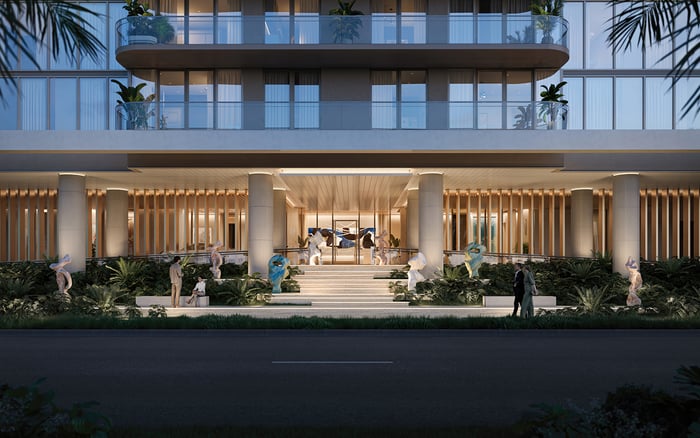
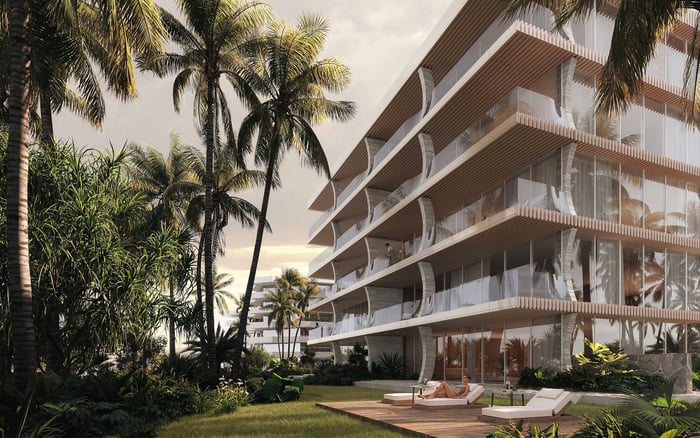
Forté on Flagler offers a polished hospitality and wellness platform, but buyers should distinguish residential coordination from physician-led concierge medicine. This guide clarifies what is presented, what remains outside the condominium offering, and what to verify before closing.
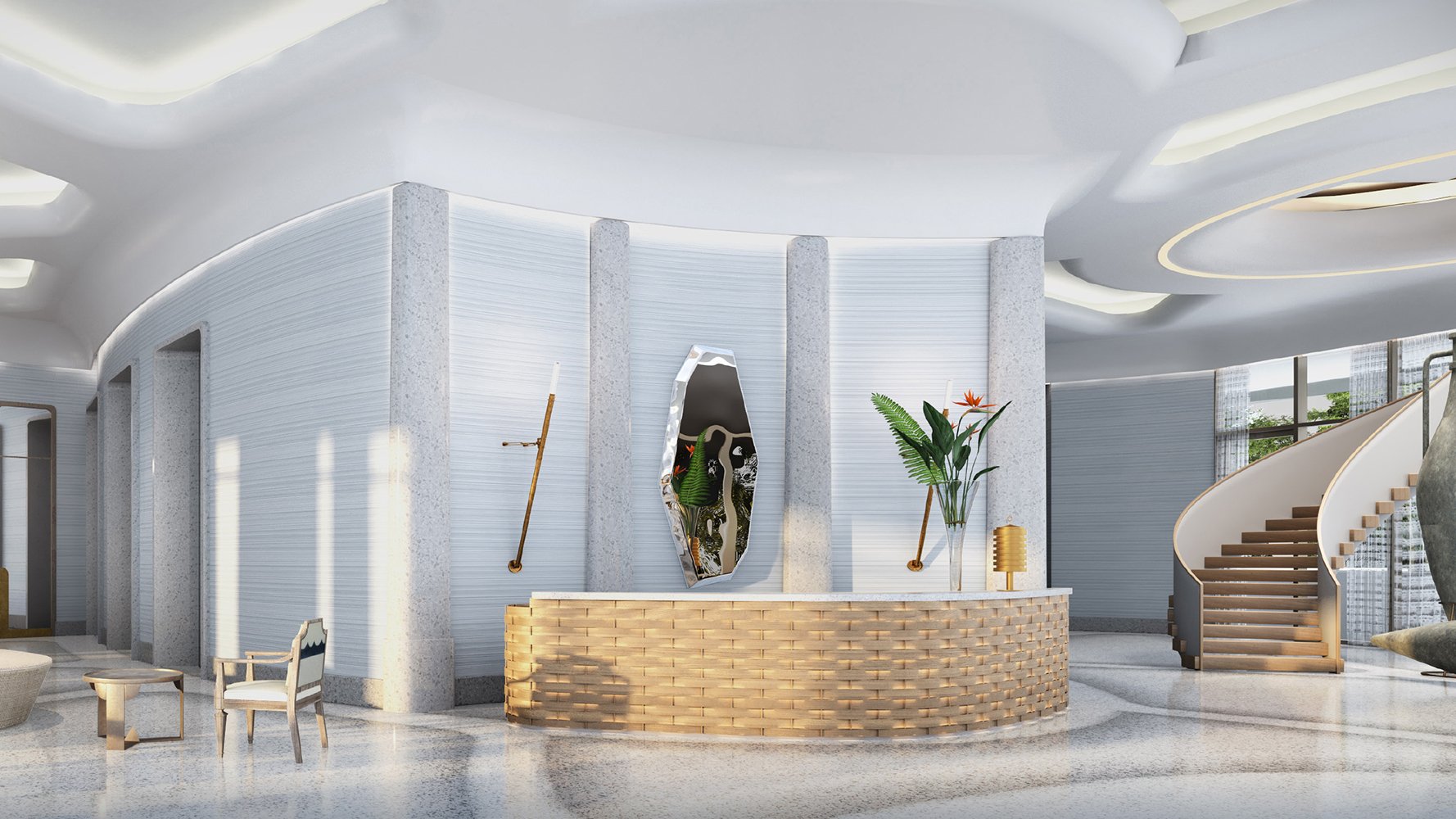
Within West Palm Beach’s waterfront market, Forté on Flagler West Palm Beach is presented as an intimate, 41-residence condominium with a sophisticated hospitality and wellness program. Its lifestyle proposition encompasses 24-hour concierge service, valet, security, fitness amenities, and in-residence wellness and fitness coordination.
That language is meaningful, but it does not make Forté a medically integrated residence. The essential distinction is between coordinating a service and delivering clinical care. Building staff may help arrange appointments or facilitate access; diagnosis, treatment, prescriptions, and medical judgment remain the responsibility of an independently retained healthcare provider.
For buyers who prioritize convenient healthcare, Forté offers a highly serviced residential setting. It should not, however, be evaluated as a substitute for a concierge-medicine practice, urgent-care facility, or emergency department.
Forté’s concierge platform extends well beyond a traditional reception desk. Services include assistance with restaurant reservations, travel, VIP-event access, household needs, and spa or salon appointments. In-residence wellness and fitness coordination may also help residents engage trainers or organize wellness services.
The physical amenities reinforce that hospitality framework. The Wellness Level includes separate spas with steam rooms, saunas, relaxation areas, lockers, and private treatment rooms. Fitness offerings encompass a fitness center, yoga studio, multi-sport simulator, and 75-foot lap pool with a heated spa. The amenity program also includes personal trainers, massage spaces, and beauty-treatment rooms.
Together, these features can make a resident’s wellness routine easier to manage. They do not establish that every treatment, trainer, or appointment is included in common charges. Some concierge-arranged services may carry separate fees, making the current service menu and fee schedule essential pre-closing documents.
The most important buyer safeguard is to interpret “wellness” according to its written scope. Forté’s program does not include an on-site primary-care clinic, urgent-care center, or emergency department. It does not promise a dedicated physician, nurse practitioner, nurse, or paramedic, nor does it include bundled laboratory testing, imaging, prescription management, or chronic-disease treatment plans.
Similarly, a staffed concierge or security desk should not be interpreted as a guaranteed medical-response team. The service offering does not identify pediatric, obstetric, oncology, or other specialty clinical programs.
This distinction matters across Palm Beach’s expanding luxury market. Buyers comparing Alba West Palm Beach or The Ritz-Carlton Residences® West Palm Beach should apply the same discipline: hospitality, spa facilities, and residential service do not automatically constitute licensed medical care.
A resident seeking physician-led concierge medicine should expect to contract directly with an outside practice. Condominium ownership does not automatically provide enrollment with a medical practice.
Forté’s residential team may be useful at the logistical edges of that relationship. Subject to building policies and availability, staff could assist with scheduling, guest access, or transportation arrangements. House cars and valet service may support travel to outside appointments. Controlled access, lobby staffing, private elevators, 24-hour security, and surveillance can also support discretion when an outside provider visits a residence.
Buyers should obtain direct answers from the medical practice regarding home visits, after-hours physician access, hospital coordination, insurance billing, and geographic coverage. None of those clinical terms should be inferred from a condominium’s amenity description.
Forté offers two furnished guest suites and several social spaces. These accommodations may be useful when family members or caregivers visit, but they remain hospitality amenities rather than care services. Availability, reservation limits, charges, and guest rules should be confirmed in writing.
The same principle applies when assessing nearby options such as Shorecrest Flagler Drive West Palm Beach. A buyer anticipating regular visits from private nurses, rehabilitation professionals, or caregivers should review access procedures, elevator protocols, parking, service entrances, and any restrictions governing third-party providers.
Privacy infrastructure can make outside care more seamless, yet it does not transfer clinical responsibility to management. Residents and their providers remain responsible for treatment arrangements, credentials, medical records, and emergency planning.
Request the current concierge menu, fee schedule, house-car rules, and a written definition of in-residence wellness and fitness coordination. Ask which services are covered by monthly maintenance, which are billed separately, who provides them, and whether availability is guaranteed or merely arranged upon request.
Review the condominium documents and management agreements for exclusions involving medical advice, emergency response, third-party providers, and liability. Monthly maintenance supports the broader service model-including concierge, valet, spa and fitness operations, pool care, security, and private-dining staffing-but it should not be assumed to fund personal clinical services.
Finally, develop two distinct plans. The first is a residential service plan covering transportation, access, household support, and wellness appointments. The second is a healthcare plan covering physicians, after-hours needs, prescriptions, specialists, hospitals, and emergencies. Forté may help these plans operate elegantly together, but it does not merge them into a single contractual offering.
Does Forté ownership include a concierge-medicine membership? No. Ownership does not automatically enroll residents in any concierge-medicine practice.
Is there an on-site primary-care clinic at Forté? No. The amenities do not include an on-site primary-care clinic, urgent-care center, or emergency department.
What does in-residence wellness coordination mean? It refers to staff coordination of wellness and fitness services, not bundled diagnosis, treatment, or physician care.
Are trainers and spa treatments included without additional cost? Buyers should not assume so. Some arranged services may involve separate charges or provider fees.
Can the concierge schedule an outside medical appointment? Staff may be able to assist with scheduling logistics, but buyers should confirm the scope with management.
Does the 24-hour concierge provide medical response? No clinical response team is identified, so concierge coverage should not be treated as emergency medical coverage.
Can Forté transportation be used for appointments? House cars and valet may assist with transportation, subject to current rules, service boundaries, and availability.
Can an outside clinician visit a residence? The building’s privacy and access features may facilitate visits, but provider-access rules and clinical arrangements require confirmation.
Can guest suites accommodate family members or caregivers? The two furnished guest suites may support visits, although they are hospitality accommodations rather than care facilities.
What documents should a healthcare-focused buyer request? Request the service menu, fee schedule, transportation rules, wellness definitions, and governing provisions addressing outside providers and emergencies.
When you're ready to tour or underwrite the options, connect with MILLION.
If branded residences are on your mind — as a home or as an allocation — we would be glad to share what we are seeing, privately.
Begin a quiet conversation