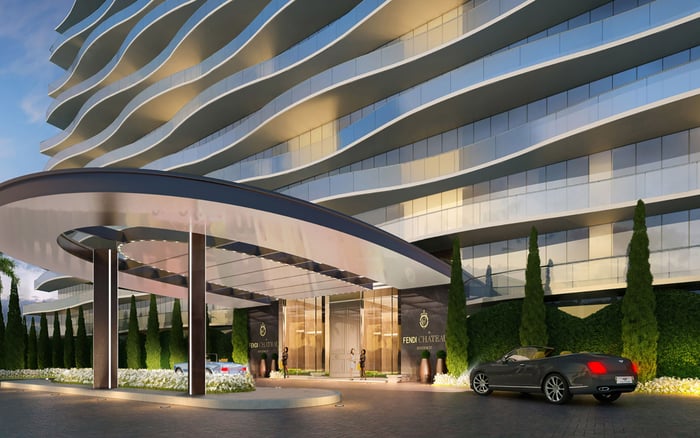
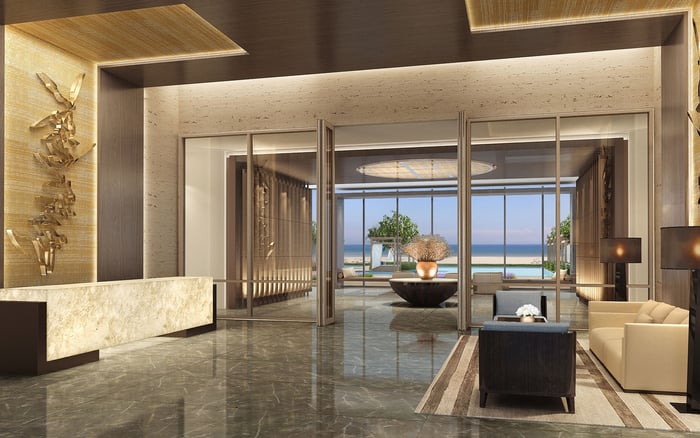
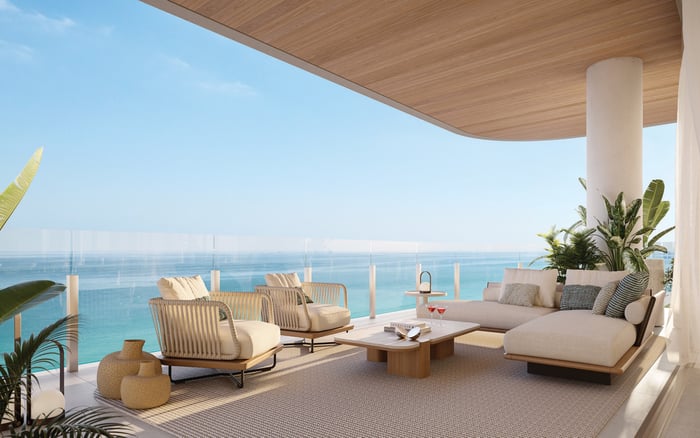
At Fendi Château Residences Surfside, private dining and spa amenities merit a layered ownership budget. Separate access, shared operating obligations, and personal consumption before assigning a value to the lifestyle.
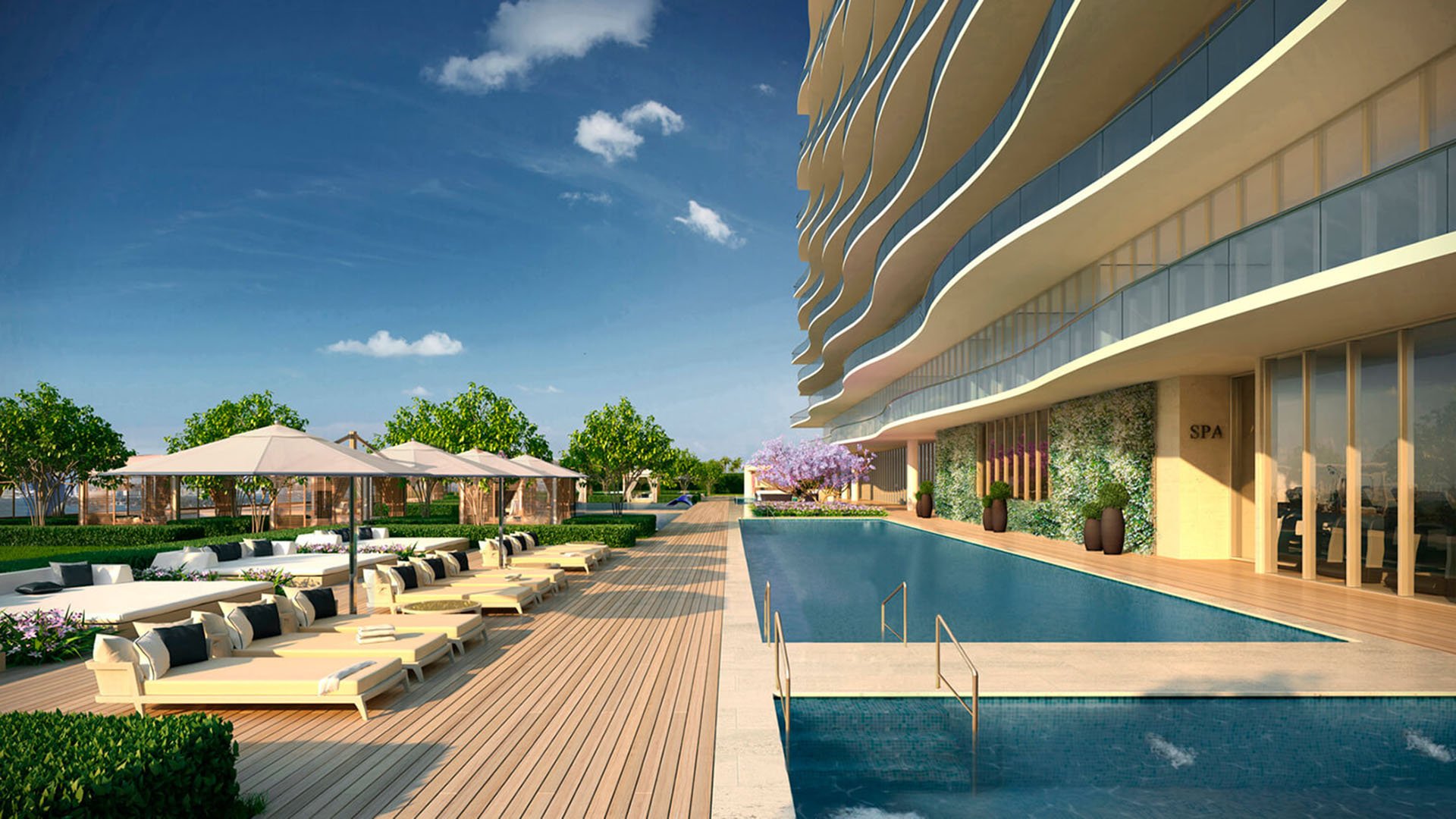
At Fendi Château Residences Surfside, the attraction is clear: an oceanfront condominium at 9349 Collins Avenue, approximately 57 residences, and an advertised amenity program that brings dining, wellness, and attentive service close to home. For a buyer seeking discretion, the appeal is the possibility of entertaining or unwinding without leaving the residential setting.
The financial interpretation requires more care. A restaurant reserved for residents and their guests establishes who may use it, not who pays for each meal. Likewise, private spa access does not establish that treatments are included in ownership costs. Exclusivity defines eligibility; it does not define the bill.
A sound budget separates recurring ownership obligations, any mandatory service commitments, and personal consumption. That distinction does not diminish the amenities. It allows a buyer to evaluate them as operating choices, without attaching an unsupported promise of complimentary hospitality to the purchase.
The advertised restaurant includes a full chef’s kitchen offering personalized casual and formal cuisine. A private dining room attached to the restaurant kitchen provides a separate setting for entertaining. The advertised dining program also includes a poolside bar and restaurant, a lobby bar, and indoor and outdoor dining areas restricted to residents and guests.
These spaces should not be treated as a single, uniform benefit. A casual meal, a private dinner, and a larger hosted gathering may involve different arrangements. Before budgeting, establish how each is booked, whether separate charges apply, and what the current rules permit. Do not assign a catering minimum or event fee without written terms.
The dining and entertaining spaces extend beyond the restaurant: a lounge with a gourmet kitchen and an ocean-facing gazebo with a full summer kitchen are also advertised. They suggest different possibilities for gathering, but do not establish interchangeable booking rights, staffing, or kitchen-use permissions.
For a buyer also considering Arte Surfside, the useful comparison goes beyond whether both properties suit the desired lifestyle. The question is whether each property's documented operating arrangements support the household's intended use. One building's terms cannot establish another's.
Fendi Château’s advertised wellness offering includes a private spa with an indoor European thermal pool. Sauna and steam facilities are also advertised, alongside an ocean-facing fitness center. These are meaningful components of the residential setting, but they describe facilities-not treatment pricing.
A buyer should distinguish permission to enter the spa from access to a particular service provider. Confirm current facility hours, reservation requirements, guest eligibility, and any access charges separately from treatment availability, provider arrangements, and treatment prices. The presence of a spa does not automatically establish a treatment menu or permanent practitioner roster.
This distinction matters for personal budgeting. A resident seeking a thermal-pool routine has a different pattern of intended use from someone planning regular appointments. Both should start with the same verified ownership obligations, then add only the services and charges relevant to their plans.
Begin with the current association budget and the assessment schedule applicable to the residence. Identify what recurring assessments already fund before adding a separate amenity allowance. The aim is to avoid understating shared costs or counting the same expense twice.
A practical model has three layers:
Recurring obligations: Record the residence's verified assessments and identify any dining or spa operating expenses funded through them.
Mandatory commitments: Check for restaurant minimums, subsidies, or other required contributions. Establish whether these are included in assessments or billed separately.
Personal use: Add projected meals, treatments, and private events using confirmed prices and the household's expected frequency of use.
These are budgeting categories, not a statement of Fendi Château's current billing policy. Current rates and governing terms must determine where each expense belongs.
For a light user, the critical question is whether low consumption actually lowers the total obligation. Skipping the restaurant might reduce personal meal spending while leaving a shared subsidy unchanged, if one exists. Conversely, a separate restaurant operating allowance would overstate costs if that amount is already included in assessments.
Apply the same verified cost structure to three household scenarios: a seasonal retreat, regular personal occupancy, and frequent entertaining. Vary expected use, not the underlying rules. A lightly occupied residence should not be modeled as having negligible amenity costs unless the documents support that conclusion.
For seasonal living, focus on obligations that continue during absences and whether any confirmed spending credits expire. For regular occupancy, estimate realistic dining and treatment frequency. For entertaining, obtain event-booking terms covering guest numbers, room access, staffing arrangements, cancellation, and any applicable charges before assigning a cost to a gathering.
A shortlist that includes The Surf Club Four Seasons Surfside should receive the same scenario analysis, using that property's own documents. A consistent method makes the comparison useful without implying that the buildings share service models or billing structures.
Fendi Château’s advertised amenities also include two swimming pools surrounded by tropical gardens, poolside cabanas, and pool and beachside service. Concierge service through Fendi Château Attaché and 24-hour valet parking are part of the advertised service offering. These details help explain the appeal of a residence organized around convenience.
They do not, by themselves, confirm current staffing, hours, operator identity, or uninterrupted availability. Request current restaurant rules, spa pricing, event terms, and resident service agreements alongside the financial documents. Ask which services are operating and which arrangements govern their delivery.
The same document-first discipline applies to an evaluation of Ocean House Surfside. Compare what is contractually available and financially required, rather than treating amenity names as standardized products.
The strongest ownership case is not that every experience comes without an additional charge. It is that the verified services, access arrangements, and total obligations suit how the household intends to live. Private dining may be valuable for its setting and convenience; a spa may be valuable for its proximity. Neither needs to be described as free to matter.
For Fendi Château, keep the distinction clear: advertised spaces define the offering, current documents establish the obligations, and personal habits shape potential discretionary spending. That is a more durable basis for a purchase than an amenity checklist alone.
For a considered approach to South Florida luxury ownership, explore MILLION.
If branded residences are on your mind — as a home or as an allocation — we would be glad to share what we are seeing, privately.
Begin a quiet conversationFendi Château Residences is an oceanfront condominium at 9349 Collins Avenue in Surfside, with approximately 57 residences.
No. Resident-and-guest eligibility does not establish whether meals are included or separately charged; current dining terms must resolve that question.
The advertised program includes a private restaurant with a full chef’s kitchen, an attached private dining room, and indoor and outdoor dining areas. Poolside dining and a lobby bar are also advertised.
Potentially, if shared operating subsidies or mandatory spending requirements apply. Buyers should verify these arrangements rather than assume low usage eliminates all dining-related obligations.
The advertised spa offering includes an indoor European thermal pool, sauna, and steam facilities. Current availability and access terms should be confirmed.
Inclusion is not established. Buyers should verify facility access separately from treatment availability, provider arrangements, and treatment charges.
Request the current association budget, applicable assessment schedule, restaurant rules, event-booking terms, spa pricing, and resident service agreements.
Use confirmed event terms and charges alongside the anticipated frequency and scale of gatherings. Do not assume room access includes food, staffing, or unrestricted kitchen use.
Separate obligations that continue during absences from spending tied to actual use. Confirm any minimums or expiring credits before adjusting the budget for limited occupancy.
No. Each property's current documents and pricing should be evaluated independently, then compared using the same household usage scenarios.