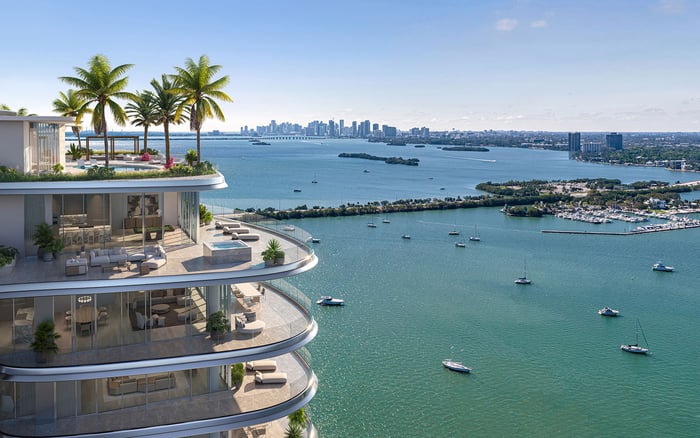
A family-office evaluation of Onda Bay Harbor should focus on document-backed carrying costs, service and staffing obligations, any applicable marina rights, and the unit-specific factors that may influence a future exit.
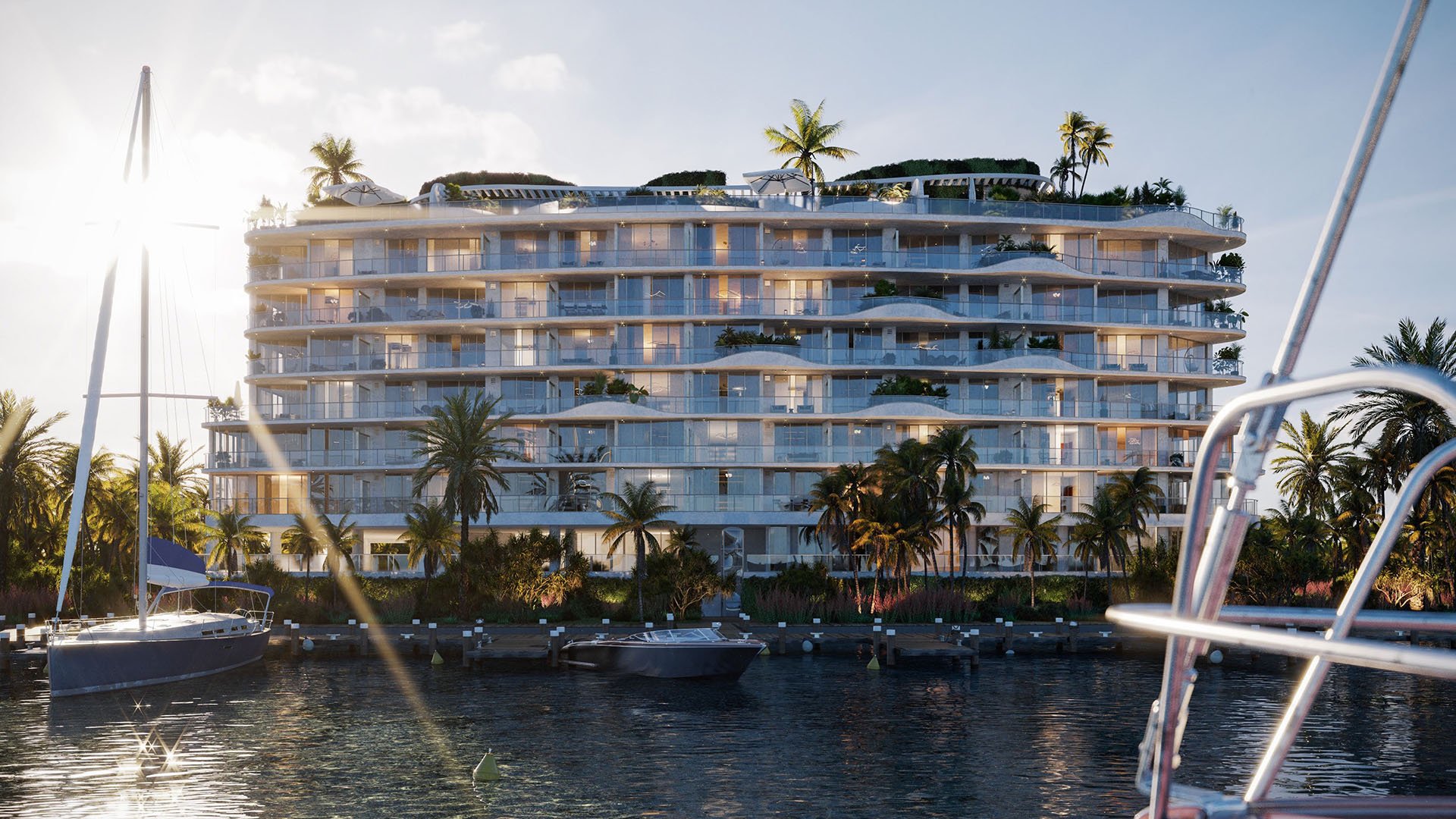
For a family office, Onda Bay Harbor should be evaluated as both a residence and an operating commitment. The acquisition review should connect lifestyle goals with documented ownership obligations, governance exposure, service expectations, and a realistic exit strategy.
The investment committee should avoid relying on broad project descriptions or generalized cost assumptions. Its analysis should instead use the current materials for the specific residence under consideration and distinguish verified terms from marketing representations.
The annual hold-cost model should begin with the current association budget, financial statements, reserve information, insurance materials, meeting minutes, assessment history, owner ledger, and applicable disclosures. Counsel and financial advisers should reconcile those records with the purchase contract and condominium documents.
Recurring association charges should be modeled separately from property taxes, residence-level insurance, utilities, financing, household payroll, interior maintenance, and discretionary services. Base, downside, and extended-hold cases can then test how higher operating expenses or capital requirements would affect the ownership plan.
Allocation methodology also matters. The committee should confirm how shared expenses are assigned to the residence and whether parking, storage, marina access, or other components carry separate obligations.
Service quality can influence the ownership experience, but staffing must be reviewed through contracts and budgets. Where a transaction package represents front-desk, security, valet, concierge, or other services, the buyer should verify hours, staffing levels, vendor arrangements, insurance responsibilities, and escalation provisions.
The review should also identify which services are funded through regular assessments and which may result in separate or usage-based charges. For a family residence, the building's service structure should be considered alongside private household staffing, access controls, security procedures, and periods when the home will be unoccupied.
Nearby projects can provide context without serving as automatic substitutes. Alana Bay Harbor Islands and The Well Bay Harbor Islands may help a buyer compare ownership formats, while the analysis should remain focused on verified documents and the residence being acquired.
Any boating, marina, or slip component represented in transaction materials requires separate legal and financial diligence. The buyer should determine whether a right is deeded, assigned, licensed, separately acquired, revocable, or subject to association control.
Applicable fees, transfer limitations, vessel restrictions, insurance requirements, waiting-list procedures, and reassignment provisions should be confirmed in governing documents and closing materials. No value should be attributed to a slip or access right until the relevant documents consistently establish its status.
La Maré Bay Harbor Islands may offer another project-level reference for a Bay Harbor search, but comparisons should account for the particular residence, layout, exposure, condition, included rights, and ownership terms.
A future sale should be modeled around the individual home rather than a broad project narrative. Relevant considerations include layout, usable space, exposure, floor position, condition, parking, storage, included rights, and the quality of the ownership records available to a future buyer.
The committee should review the closest available comparable transactions and current competing inventory with qualified advisers. Asking prices alone do not establish realized value, and a distinctive residence may combine scarcity with a narrower buyer pool.
Exit flexibility depends on acquisition basis, ongoing carrying obligations, physical condition, clean documentation, and the time allowed for a sale. The underwriting memorandum should therefore include a realistic marketing period and a plan for expenses during an extended disposition.
Before approval, the family office should obtain and review the current resale package, governing documents, financial records, insurance materials, reserve information, meeting minutes, assessment history, litigation disclosures, owner ledger, and title materials. Any parking, storage, marina, or other ancillary rights should be documented independently.
The final model should integrate recurring expenses, private staffing, discretionary services, potential capital needs, financing assumptions, and an extended holding period. Legal, tax, insurance, and property-management advisers should review matters within their respective scopes before closing.
What is the central family-office question when evaluating Onda Bay Harbor? The central question is whether the residence's documented costs, services, governance exposure, and exit profile fit the family's objectives.
Which documents should support the carrying-cost analysis? Review the current budget, financial statements, reserve information, insurance materials, meeting minutes, assessment history, owner ledger, and governing documents.
Should association charges be treated as the complete annual cost? No. Model taxes, residence-level insurance, utilities, financing, interior upkeep, household payroll, and discretionary services separately.
How should a buyer evaluate building staffing? Verify represented services through budgets, schedules, contracts, vendor terms, insurance responsibilities, and escalation provisions.
Why should household staffing be modeled separately? Private staffing and security needs may continue regardless of which services are funded by the association.
How should marina or slip rights be handled? Confirm the legal form, fees, restrictions, transfer terms, and association control before assigning any value.
What makes an appropriate comparison property? A useful comparison should be evaluated for relevant ownership terms and residence-level characteristics rather than project branding alone.
Why is resale analysis unit-specific? Layout, exposure, condition, parking, included rights, documentation, and acquisition basis can influence a particular home's marketability.
Do asking prices establish exit value? No. They should be considered alongside comparable closed transactions, competing inventory, and professional advice.
What scenarios should the investment committee model? The committee should test base, downside, and extended-hold cases that reflect verified expenses and a realistic disposition period.
If you'd like a private walkthrough and a curated shortlist, connect with MILLION.
If branded residences are on your mind — as a home or as an allocation — we would be glad to share what we are seeing, privately.
Begin a quiet conversation