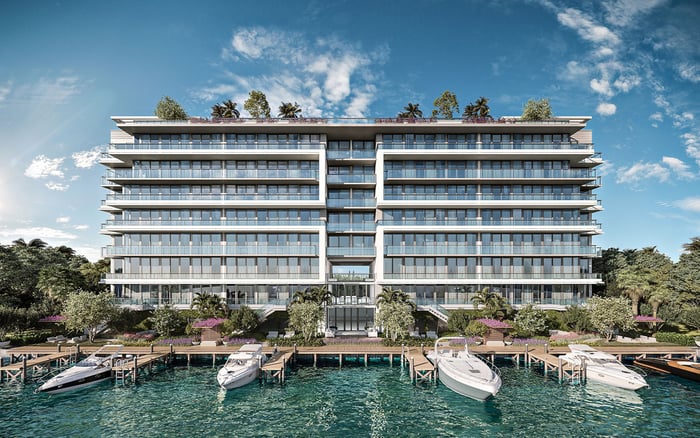
A buyer-focused framework for evaluating La Baia North’s storm resilience through documented equipment elevations, shoreline protection, barrier operations, and post-storm access procedures.
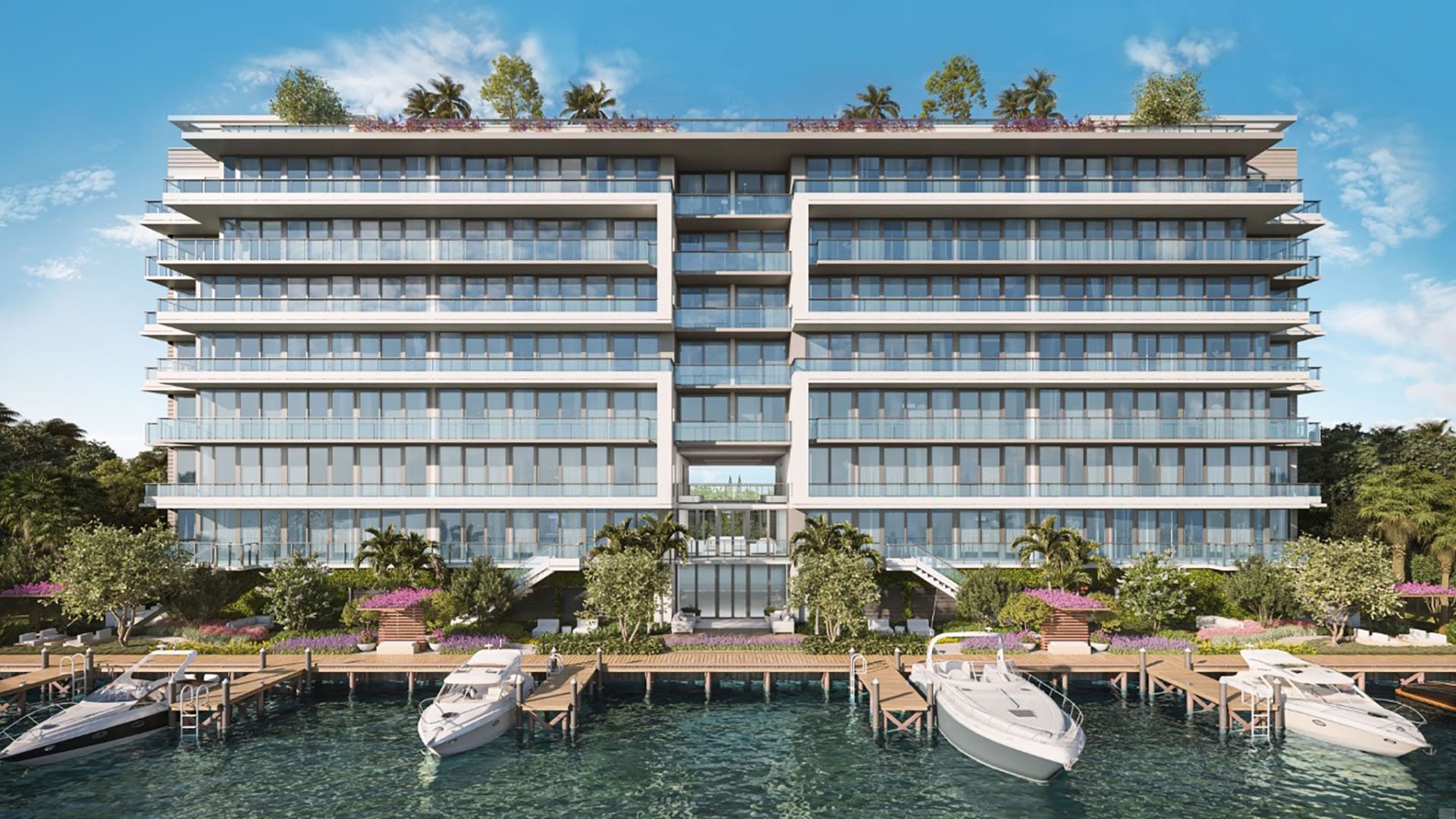
For a buyer evaluating La Baia North Bay Harbor Islands, storm resilience deserves the same scrutiny as a residence’s proportions and outlook. The question is not simply whether an apartment sits above floodwater, but whether the equipment, protective systems, and operating procedures that support daily life account for that exposure.
Flood due diligence should be a baseline ownership consideration, not a concern reserved for a particular floor or shoreline position. A useful assessment separates three priorities: protecting essential equipment, controlling water at vulnerable openings, and establishing the conditions for return after a storm.
Treat La Baia North’s mechanical elevations, seawall height, any flood barriers, generator capacity, and re-entry procedures as matters for project-specific documentation. Regulatory standards should frame the questions, not substitute for installed specifications.
Before interpreting any elevation claim, establish the property’s flood zone and applicable flood elevations. Request property-specific map interpretation and confirmation of the applicable Base Flood Elevation. These are the starting point for reviewing the elevation certificate and approved drawings with a qualified professional.
A base flood has a 1% chance of being equaled or exceeded in any given year. The familiar term “100-year flood” does not mean flooding happens only once a century. Base Flood Elevation, or BFE, describes the elevation of that flood against a specified vertical datum.
Design Flood Elevation, or DFE, is a regulatory reference for flood-resistant construction. It does not establish the actual elevation of a residential floor, electrical room, or generator. Those are separate facts to verify in property documents using compatible elevation references.
Ask a qualified reviewer to identify the floodplain-management requirements and building-code provisions applicable to the property. The buyer’s question should be precise: which requirements apply here, and how do the approved design and completed conditions address them?
An elevated residence is only one part of the assessment. Request an elevation certificate and approved drawings identifying residential floors, electrical rooms, generators, HVAC, and life-safety equipment relative to the applicable BFE and DFE. Have the reviewer distinguish proposed elevations from documented completed conditions.
Ask the reviewer to explain which utility and equipment protections are required for the design and flood zone, and whether those protections rely on elevation or other permitted measures. Do not treat compliance as proof of an upper-level generator, raised switchgear, or additional elevation above the required reference.
Next, connect equipment protection to service continuity. Request a written explanation of which functions any backup-power system serves, its documented operating duration under the stated load, and the conditions for restoring normal service. Generator capacity alone does not answer every operational question.
A purchaser comparing Bay Harbor Towers should request the same categories of evidence. This is a comparison framework, not a claim that either property has particular equipment locations or backup capabilities. Comparable documentation makes the review meaningful.
Examine shoreline protection and opening protection separately. Ask a qualified reviewer to confirm the current requirements applicable to the property’s seawall and any other shoreline protection, including requirements relevant to proposed or completed work.
Do not treat a regulatory minimum as La Baia North’s verified seawall height. Request as-built elevations and confirmation of the vertical datum. A measurement is useful only when its reference and relevance to the property are clear.
For any flood barriers, request documentation identifying the protected openings, deployment responsibilities, and inspection requirements. Ask how management confirms readiness before a storm and who takes responsibility if the usual personnel are unavailable. Where protection depends on deployment, the operating plan belongs alongside the hardware specification in the buyer’s review.
Do not infer deployable barriers, floodable garages, or protected equipment rooms from general resilience language. Each should be established independently. Nor does a shoreline elevation guarantee that every possible water-entry route has been addressed.
Post-storm return is a separate due-diligence category. Request the building’s hurricane manual and look for a clear sequence: who authorizes return, what inspections are required, how elevator restart is handled, and how management coordinates with municipal access restrictions.
Include bridge and approach-route availability in the Bay Harbor Islands review rather than assessing only conditions inside the building. Request applicable access guidance and avoid assuming a closure threshold or reopening timetable. Dry occupied floors are not proof that access will be available.
The manual should also address backup-power duration and resident communications. Ask management to distinguish access for inspection from authorization for residents to return, and to explain which services must be restored before occupancy resumes. Do not rely on a verbal estimate of when a building will be “back to normal.”
For buyers also weighing Onda Bay Harbor, the same distinction matters: permission to enter, an available route, and functioning residential services are different questions. Seek written answers for each property rather than assuming comparable procedures.
For an owner who may be away during a storm, operational clarity deserves particular attention. Ask who receives emergency notices, how an authorized representative can obtain updates, and what access arrangements apply after restrictions are lifted. These are questions for management, not assumptions to make about concierge service.
Organize the purchase review around three document groups: elevation and equipment records; shoreline and barrier documentation; and the hurricane and re-entry manual. Have appropriate professionals identify unresolved questions before treating resilience as a reason to prefer one residence over another. A buyer also considering Bal Harbour should apply the same discipline, without assuming that different properties share flood references or operating arrangements.
Keep insurance separate from design impressions. Elevated equipment or residential floors alone do not establish lower premiums, lower condominium fees, or removal from a flood zone. Request property-specific insurance documentation rather than treating a protective feature as an assumed financial benefit.
The strongest basis for evaluating La Baia North is a clear relationship between documented design, maintained protection, and a defined return protocol. That level of detail turns an appealing waterfront purchase into a more informed ownership decision.
For a discreet conversation about evaluating South Florida residences, connect with MILLION.
If branded residences are on your mind — as a home or as an allocation — we would be glad to share what we are seeing, privately.
Begin a quiet conversationRequest property-specific flood-zone information and confirmation of applicable flood elevations. Have a qualified professional review those references alongside the elevation certificate and approved drawings.
It describes a flood with a 1% chance of being equaled or exceeded in any given year. It does not mean flooding occurs only once a century.
BFE is the base flood’s elevation against a specified vertical datum. DFE is a regulatory design reference for flood-resistant construction, not proof of actual equipment or floor elevations.
Request the elevation certificate and approved drawings locating residential floors, electrical rooms, generators, HVAC, and life-safety equipment relative to applicable BFE and DFE references. Distinguish proposed elevations from documented completed conditions.
No. Treat these as property-specific features to establish through design and installation documentation, not as implications of regulatory compliance.
Request as-built seawall elevations and confirmation of the vertical datum. Have a qualified reviewer distinguish the documented height from current requirements applicable to the property and work involved.
It should identify protected openings, deployment responsibilities, and inspection requirements. Buyers should also ask how readiness is confirmed before a storm.
Route availability is a separate due-diligence issue from conditions inside a building. Request applicable access guidance rather than assuming dry occupied floors mean residents can return.
Look for return authorization, required inspections, elevator restart procedures, backup-power duration, and coordination with municipal access restrictions. Request a clear distinction between inspection access and resident return.
No. Elevation alone does not establish lower premiums, lower condominium fees, or flood-zone removal; property-specific insurance documentation is necessary.