An oceanfront address should deliver more than a view. Before buying in Miami Beach, verify rental permissions, guest-access controls, noise enforcement, and the operating demands placed on shared spaces.

The appeal of an oceanfront Miami Beach residence is immediate: the horizon, the terrace, the prospect of arriving with little to arrange. Less visible is how the building functions when owners, tenants, and short-stay guests share elevators and amenities. Rental flexibility has value, but it belongs alongside privacy, service, and the condition of shared spaces in any purchase decision.
For a buyer considering 57 Ocean Miami Beach or another oceanfront residence, the essential task is to distinguish permitted use from lived experience. A building may meet one buyer’s rental objectives without suiting another’s preference for a residential rhythm. Neither judgment should rest on branding, a listing description, or a single quiet viewing.
Miami Beach treats residential leases shorter than six months and one day as vacation or short-term rentals. A 30-day lease is therefore not a workaround. Vacation rentals are prohibited in all single-family homes and many multifamily buildings within specified zoning districts.
Start with the exact parcel. Ask Miami Beach Planning and Zoning to confirm whether the intended rental use is permitted there. Neighborhood shorthand cannot answer a parcel-specific question, and an existing rental advertisement does not establish lawful use.
Next, examine the association’s declaration, bylaws, rental rules, and amendments. City permission does not override building restrictions. Identify the minimum lease term and any approval procedures that could affect your ownership plan. Request a written rental-policy summary, then reconcile it with the governing documents; the summary is not a substitute for them.
Finally, request the unit’s existing rental licenses, Business Tax Receipt, and registrations. Verify current application requirements and whether a purchase requires new applications. A seller-held permit does not, by itself, confirm that the buyer can continue the same activity.
Before assigning value to rental flexibility, confirm that all three layers align: parcel permission, association permission, and the buyer’s required approvals.
Request 12-24 months of board minutes. Look for proposed minimum-stay changes, enforcement disputes, fines, and litigation connected with rental activity. Distinguish current restrictions from proposals, without overlooking discussions that could affect the ownership experience.
Ask management for the approximate share of units operating as short-term rentals. That estimate provides context for guest turnover, not a substitute for observing the building. Clarify whether it covers active rentals or simply units eligible to rent.
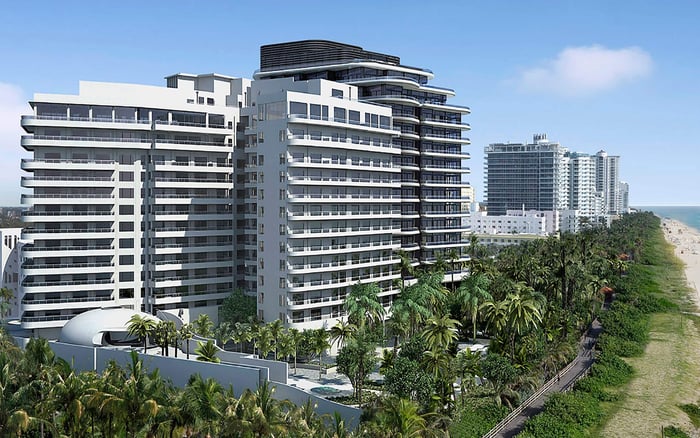
When comparing Faena House Miami Beach with other candidates, apply the same document standard to each. These project references are starting points for comparison, not assertions about rental permissions, noise, or management performance at any named property.
A useful comparison separates what the documents permit, what management describes, and what a visit reveals. Any discrepancies deserve clarification before rental income enters the purchase rationale.
A luxury address does not establish quiet. Ask management for the history of noise complaints and the actual instructions provided to guests. Review those instructions for occupancy limits, noise restrictions, pet rules, and the process for reporting a disturbance.
Then revisit during weekend evenings and check-in or check-out periods. Listen in the corridor, inside the residence, and on the balcony. Observe late arrivals, conversations near elevator doors, and movement between amenities and residential floors. These are potential building-specific risks to investigate, not conditions to presume in every rental-friendly tower.
A single incident should prompt a question, not an automatic verdict. Equally, one silent weekday appointment cannot establish the usual experience. Compare firsthand observations with the complaint history and management’s explanation of how recurring problems are resolved.
The objective is not an unrealistic promise of silence. It is evidence that the building’s daily rhythm suits the way you intend to live.
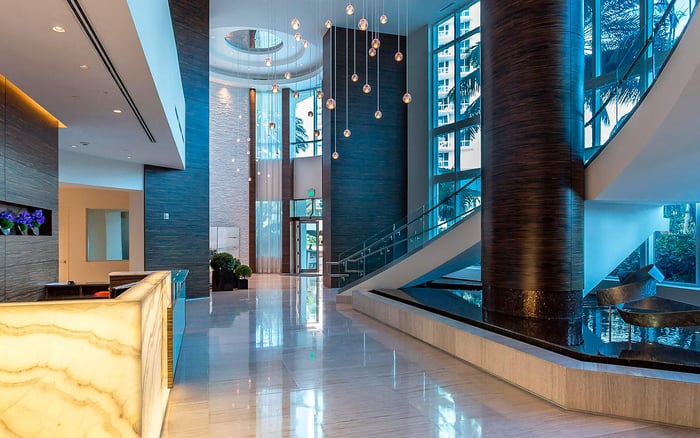
A polished reception area does not establish how access is controlled. Ask management to walk through a short-stay arrival, from advance registration to entry onto residential floors.
Confirm whether the building uses guest registration, ID checks, parking passes, and short-stay fees. Establish whether a 24-hour front desk operates in practice, whether elevator access is controlled, and how guest passes are issued. Ask what happens when an unregistered visitor arrives or an authorized guest brings additional visitors.
For a residence under consideration at Setai Residences Miami Beach, as for any candidate, the answers should be grounded in the applicable building procedures, not assumptions about the name.
Request a redacted violation-and-fine log covering noise, access, and unauthorized rentals. Written rules set expectations; an enforcement record helps test whether management follows through. Read it alongside board minutes and ask about repeated issues or unresolved disputes. The aim is to understand consistency, not to infer safety from the presence or absence of fines alone.
Common areas deserve the same attention as the residence itself. During busier arrival periods, observe lobby congestion, luggage traffic, elevator waits, and pool crowding. Examine corridors and shared spaces for visible damage, then ask about maintenance history rather than attributing every mark to renters.
Review board minutes for recurring elevator repairs, corridor damage, additional security staffing, and budget concerns potentially associated with transient use. These entries warrant further inquiry; they do not prove that short stays caused a particular expense.
Review pool hours, amenity guest limits, and trash procedures. Ask how guests receive those rules and how violations are handled. Even a well-written policy has limited practical value if arriving occupants never receive it.
If Continuum on South Beach is on the shortlist, apply the same operating-cost questions used elsewhere. Request the schedule of rental registration fees, cleaning surcharges, and other association charges. Include applicable charges in ownership costs and rental-return assumptions, without presuming that every building imposes them.
Before proceeding, assemble a concise file: parcel-use confirmation, governing rental documents, current licensing requirements, board minutes, guest procedures, enforcement records, and applicable charges. Add notes from visits made at different times.
Then test the residence against two questions. Can you use and rent it as intended? Will the building remain a comfortable place to spend your own time? Treat unresolved answers as open diligence items, not benefits already secured by the purchase price. The strongest choice is the one whose documented permissions and observed operations support the same ownership plan.
For a considered approach to your Miami Beach residence search, explore MILLION.
If branded residences are on your mind — as a home or as an allocation — we would be glad to share what we are seeing, privately.
Begin a quiet conversationMiami Beach treats residential leases shorter than six months and one day as vacation or short-term rentals. A 30-day lease does not avoid that classification.
No. Verify the intended rental use for the exact parcel with Miami Beach Planning and Zoning, then review the association’s restrictions.
Yes. The declaration, bylaws, rental rules, and amendments may restrict rentals even where city zoning permits them.
No. Request existing licenses, the Business Tax Receipt, and registrations, then verify current requirements and whether your purchase requires new applications.
Request 12–24 months of board minutes and a written rental-policy summary. Look for proposed restrictions, enforcement disputes, fines, and rental-related litigation.
Review complaint history and guest instructions, then visit during weekend evenings and check-in or check-out periods. Compare corridor, balcony, and in-unit observations with management’s account.
Check guest registration, ID checks, parking passes, front-desk coverage, and elevator access controls. Ask how unauthorized visitors are handled.
A redacted log can help assess how noise, access, and unauthorized-rental rules are enforced. It should be read alongside board minutes and management’s explanations.
No. Ask about maintenance history and review board discussions before connecting damage or repair costs with guest turnover.
Ask about registration fees, cleaning surcharges, short-stay fees, and other applicable association charges. Include verified charges in ownership-cost and rental-return assumptions.