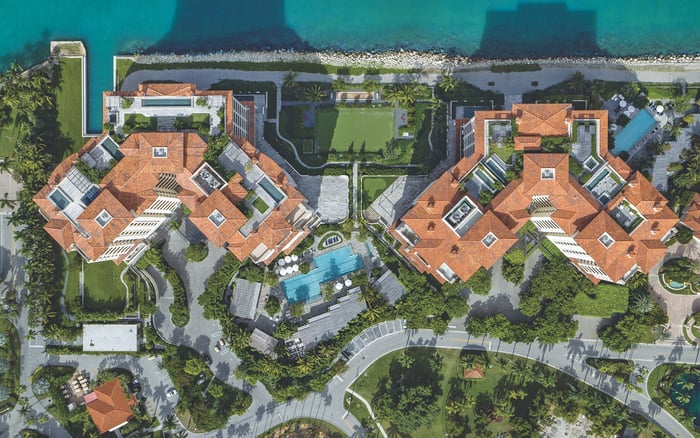
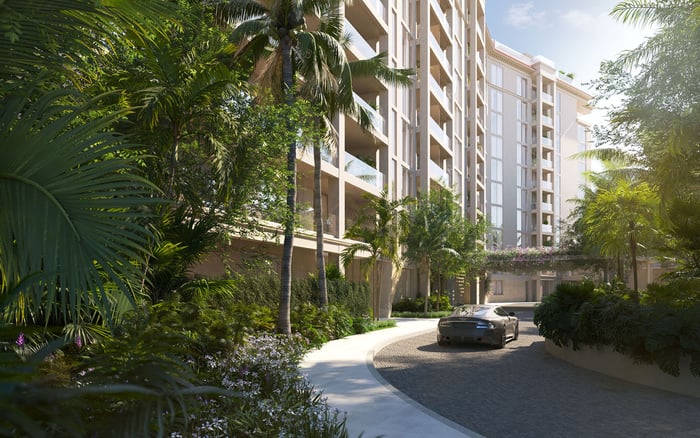
A disciplined Fisher Island purchase review connects the unit to the shoreline segment, responsible owner, capital plan, permits, easements, and actual insurance contracts.
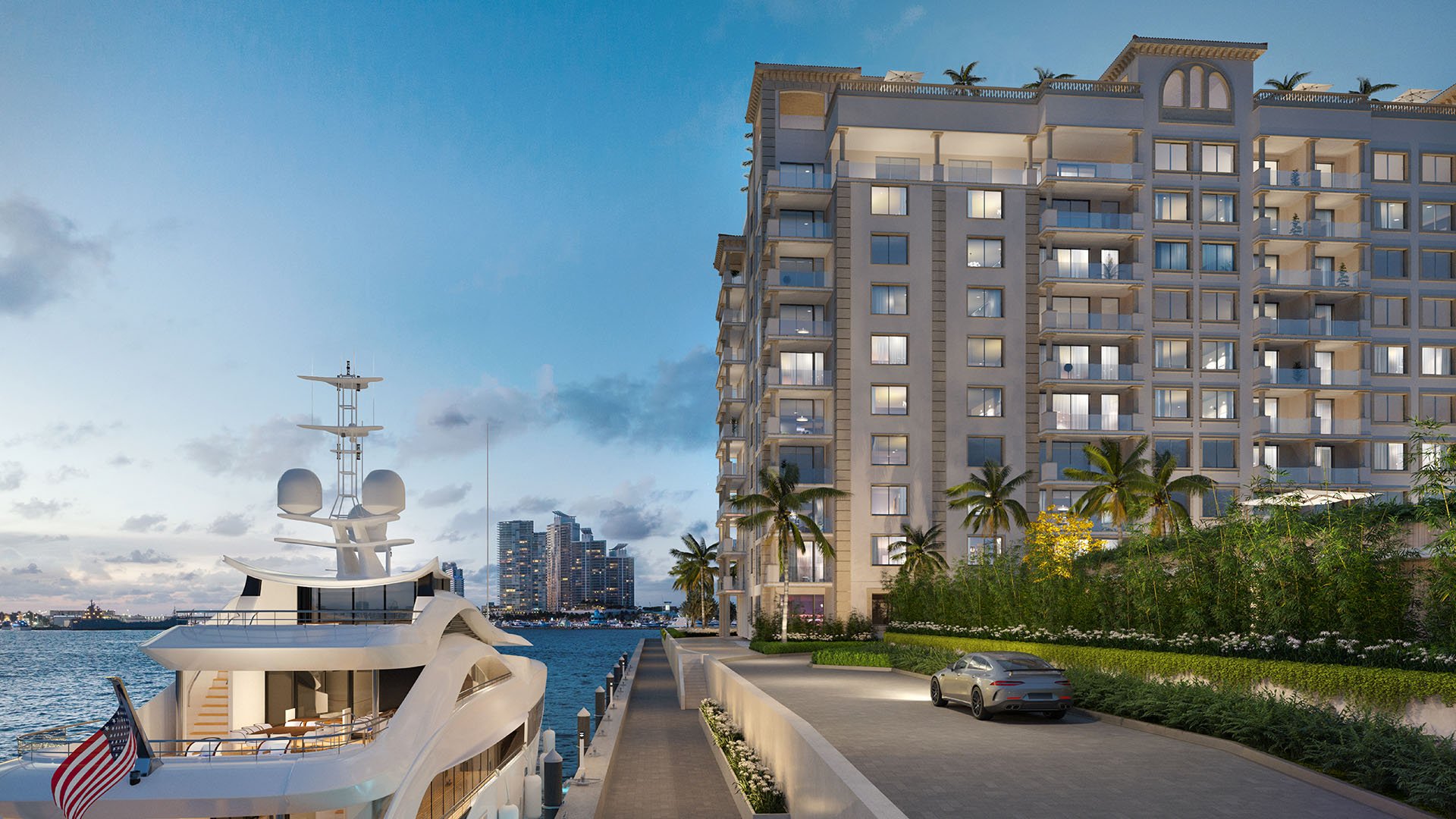
An oceanfront residence on Fisher Island is inseparable from the engineered edge that protects and serves it. The island has undergone shore-stabilization work encompassing analysis, design, permitting, construction observation, and monitoring. In 2023, an island-wide shoreline inspection covered approximately 13,000 feet of waterfront structures, establishing an important baseline for condition, repair priorities, and capital planning.
For buyers comparing Palazzo del Sol with other Fisher Island addresses, the essential question is not simply whether the shoreline has been inspected. It is which inspected segment serves the building, what condition was assigned to it, what work was recommended, and how much useful service life remains.
Waterfront responsibility may rest with FICA, a condominium association, or another party. That distinction determines who controls inspections, selects contractors, secures permits, and ultimately pays. Counsel should trace the seawall and adjacent hardscape through the condominium declaration, surveys, plats, recorded easements, maintenance agreements, and FICA documents.
Recorded easements warrant particular attention. Local seawall easements may grant perpetual rights to construct, inspect, maintain, repair, and replace a wall, together with access rights across private property. The relevant documents must be obtained for the actual condominium parcel rather than inferred from another South Florida property.
This ownership analysis is equally important when considering Palazzo della Luna. A wall may appear physically connected to a building even when its legal ownership, maintenance obligations, and cost allocation follow a different boundary.
A shoreline assessment is only the first layer. Match its findings against the building reserve study, adopted budgets, board minutes, pending permits, completed repairs, assessment history, and current capital plan. The objective is to determine whether recommended work is funded, deferred, under design, or awaiting a decision.
The critical distinction is between identifying a physical issue and understanding its financial path. Ask whether costs flow through regular condominium dues, FICA charges, reserves, a special assessment, or some combination. Confirm, too, whether the responsible entity has budgeted for engineering, permitting, mobilization, monitoring, and construction-not merely the visible repair.
Dredging is not a uniform exposure. Public navigation projects should be distinguished from privately funded ferry, marina, or access work because only the latter may flow directly through FICA or condominium assessments. Nearby navigation proposals can still matter to owners, as demonstrated when residents publicly opposed proposed deep dredging in Government Cut in 2011.
A commercial ferry-landing project at 66 Fisher Island Drive illustrates the scale and complexity of private island infrastructure. The proposed work encompassed maintenance dredging, filling tidal waters, a new seawall, fender systems, and a vehicle-transfer bridge. It also contemplated removing an existing seawall, widening a boat notch, dredging to minus 19 feet NAVD, and adding limerock-riprap backfill. FICA's role as permit applicant demonstrates that certain obligations can be managed at the community level.
A buyer of The Residences at Six Fisher Island should therefore request both association-level and island-level records rather than assume that one file captures the complete waterfront picture.
Existing shoreline infrastructure does not guarantee approval for future land extension, breakwaters, enlarged docks, or additional hardening. Coastal policy restricts dredging and filling that would damage sensitive benthic communities and limits mangrove alteration except in specified circumstances. Environmental review can alter, delay, or prevent a proposal.
Counsel should confirm whether county shoreline-development rules apply to the building's specific frontage. Current guidance identifies a minimum 25-foot shoreline setback for certain building elevations. Any contemplated pool, cabana, deck, dock, or building extension near the water should be tested against setbacks, coastal permits, and earlier shoreline-review decisions before the buyer assigns value to it.
The same discipline applies beyond vertical condominiums. At The Links Estates at Fisher Island, legal access and shoreline constraints remain material even when the residential format differs.
Obtain complete policy forms, schedules, endorsements, deductibles, and exclusions rather than rely on a certificate or summary. The master-policy review should establish whether seawalls, docks, marine equipment, landscaping, utilities, and waterfront hardscape are insured assets or owner-funded exposures. It should also distinguish the policy held by FICA from the policy held by the condominium association.
At the unit level, confirm whether storm protection consists of approved shutters, impact glazing, or another compliant system. FICA rules regulate hurricane shutters and similar installations. For future exterior work, contractors and subcontractors must provide certificates of insurance listing FICA-a requirement that can influence eligibility, island access, and scheduling.
The strongest diligence file connects five elements: the exact shoreline segment, legal ownership, physical condition, funded repair strategy, and applicable insurance. It should also preserve permits, easements, minutes, and correspondence relevant to unresolved work. This record gives the buyer, counsel, engineer, and insurance adviser a common factual foundation before closing and a practical reference afterward.
Who may own the seawall in front of a Fisher Island condominium? Ownership may rest with FICA, the condominium association, or another party, so parcel-specific recorded documents must determine the answer.
What should a buyer request from the latest shoreline inspection? Request the condition rating, recommended work, repair priority, and expected service life for the segment serving the building.
Does an island-wide inspection replace a building reserve review? No. Compare shoreline findings with the reserve study, budgets, minutes, permits, and assessment history.
Can seawall repairs result in a special assessment? They may, depending on ownership, reserves, governing documents, and the allocation of costs through FICA or the association.
Is every dredging project a direct condominium expense? No. Distinguish public navigation work from privately funded ferry, marina, or access projects that may affect owner charges.
Can a buyer assume a larger dock will be approved? No. Dredging, benthic impacts, mangroves, setbacks, and prior shoreline decisions can constrain approval.
Why do seawall easements matter? They can establish lasting rights to construct, inspect, repair, and replace the wall, along with access rights affecting the parcel.
What waterfront assets should an insurance review address? Review seawalls, docks, marine equipment, landscaping, utilities, and hardscape for coverage, deductibles, and exclusions.
What storm protection should be verified at the residence? Confirm approved shutters, impact glazing, or another compliant system, together with installation and approval records.
What is the central underwriting question for a buyer? Determine who is responsible, what work is anticipated, how it will be funded, and which risks remain uninsured.
For a confidential assessment and a building-by-building shortlist, connect with MILLION.
If branded residences are on your mind — as a home or as an allocation — we would be glad to share what we are seeing, privately.
Begin a quiet conversation