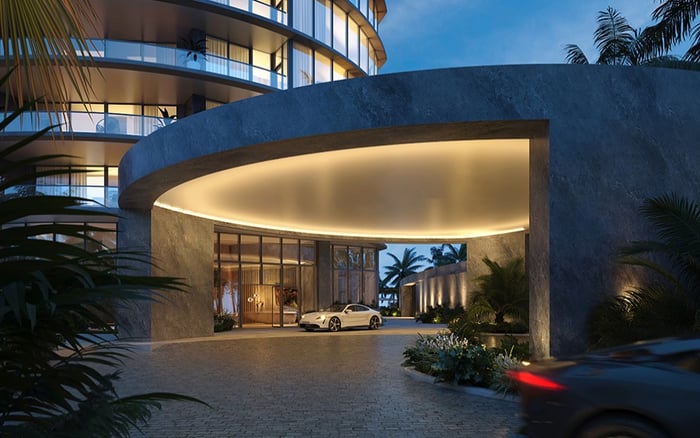
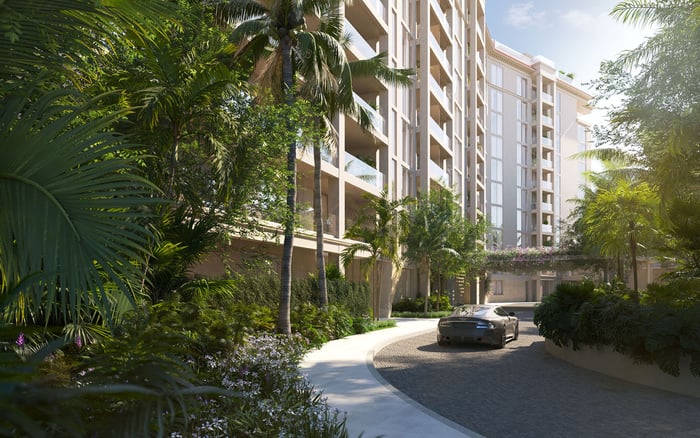
Bay Harbor Islands offers established walkability and a quieter residential rhythm, while North Bay Village provides a shorter reported route to MIA and development-led convenience. The better choice depends on how a buyer balances daily errands, airport frequency, causeway travel, and building-level services.
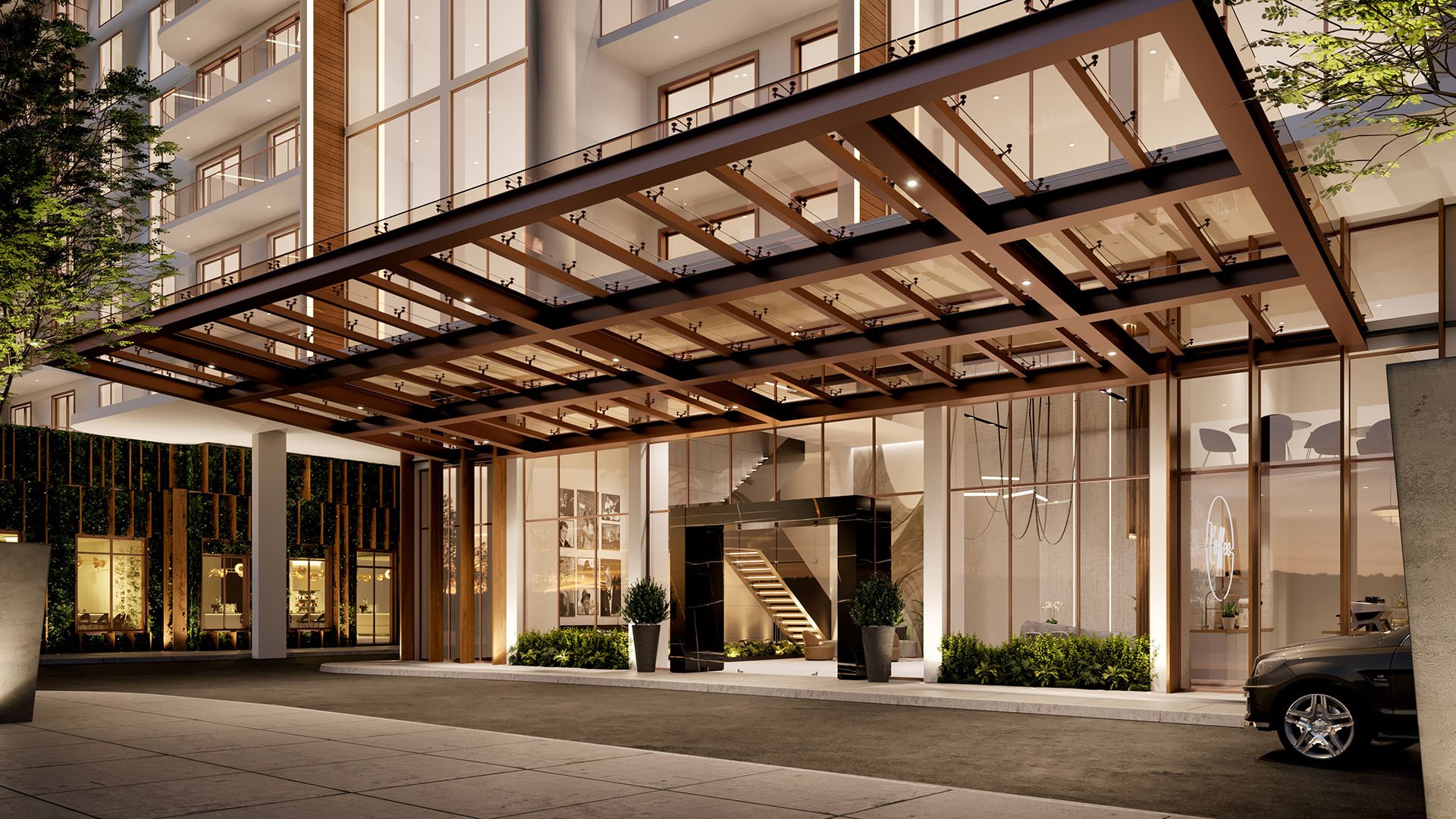
Bay Harbor Islands and North Bay Village may appear similar on a map. Both place residents on islands in Biscayne Bay, close to Miami Beach and linked to the mainland by causeways. For a luxury buyer, however, their day-to-day rhythms differ meaningfully.
Bay Harbor Islands is a two-island town west of Bal Harbour and north of Miami Beach. Its appeal lies in an established combination of quiet streets, privacy, walkability, and proximity to neighboring destinations. North Bay Village occupies two small islands between Miami Beach and the mainland. Its position along the 79th Street Causeway creates a more corridor-oriented base, enabling direct movement in both directions.
The practical decision is not simply which view feels more compelling. It is whether a residence should support a calm, walkable neighborhood routine or prioritize airport proximity, causeway access, and convenience increasingly concentrated within new developments.
The right island is the one that removes friction from the way an owner actually uses Miami.
Bay Harbor Islands makes the clearer case for walkability. A central location carries a walkability rating of 81, classified as “Very Walkable.” That figure should not be applied indiscriminately to every address, but it suggests that a buyer near the town’s central amenities may complete a meaningful share of routine outings on foot.
The town also offers shuttle connections to Surfside, Bal Harbour, Aventura Mall, North Miami, and Miami Beach. For residents who prefer not to drive for every excursion, that network extends the utility of the local pedestrian environment. The result is a car-light pattern that can feel especially polished for owners arriving for short stays.
Residential options include Alana Bay Harbor Islands and The Well Bay Harbor Islands. Their suitability still depends on precise location, management, services, and the buyer’s preferred routes to everyday needs. The broader advantage is that Bay Harbor’s walkability belongs to an existing neighborhood fabric rather than solely to the promise of a single property.
North Bay Village presents a different proposition. Its pedestrian appeal centers on proximity to restaurants and retail, alongside access to major highways, but a comparable town-wide numerical measure is not established here. Instead, some of its most legible pedestrian benefits are taking shape at the development level.
Shoma Bay North Bay Village, positioned at 79th Street Causeway and East Treasure Drive, integrates condominiums with commercial programming. That mixed-use format can compress daily errands into a tighter radius-an important advantage for owners who value convenience immediately around the building.
For frequent flyers, North Bay Village offers the more favorable road distance to Miami International Airport. The route is approximately 11.6 to 12 miles and may take about 20 minutes. From Bay Harbor Islands, MIA is approximately 14.5 to 15 miles away, with a driving time of about 30 minutes.
Those figures are directional, not guaranteed. Causeway congestion and Miami’s wider road network can materially alter an airport transfer, particularly during peak periods. Even so, the underlying distance difference matters to an owner who flies frequently or wants to minimize the final ground segment after a long journey.
Bay Harbor Islands remains reasonably connected to MIA, but its value proposition is less about winning the airport calculation. It asks the buyer to accept several additional miles in exchange for a quieter setting and stronger evidence of established walkability.
Second-home ownership is most successful when small points of friction have been designed out. In Bay Harbor Islands, that ease comes from the relationship among neighborhood scale, walkability, shuttle access, and a reserved residential atmosphere. An owner can arrive, settle in, and reach nearby destinations without immediately organizing every movement around a car.
A residence such as Onda Bay Harbor sits within that broader island context, but buyers should still examine building-specific operations. Staffing, delivery procedures, package management, maintenance coordination, parking protocols, and access control determine whether a property truly performs as a lock-and-leave home.
In North Bay Village, convenience may be more concentrated within individual projects. Shoma Bay’s mixed-use planning is the clearest example. Continuum Club & Residences North Bay Village introduces another development-led pedestrian concept through a planned landscaped Island Walk and 300 feet of waterfront. Plans call for 198 residences, lofts, and penthouses ranging from approximately 850 to 4,000 square feet.
This model can suit an owner who wants building-centered services and amenities, then expects to rely on a car or arranged transportation for a greater share of off-property activity. It is a different form of ease: less dependent on a mature town center and more reliant on the completeness of the chosen development.
Waterfront living is central to both locations, yet orientation changes the experience. Bay Harbor Islands places residents close to Bal Harbour, Surfside, Miami Beach, and Aventura while retaining a quiet residential identity. It can feel removed without being isolated, particularly for buyers whose routines cluster around the northern beaches.
North Bay Village is more explicitly tied to the 79th Street Causeway. That can be advantageous when a household regularly divides its time between Miami Beach and the mainland. It can also make traffic conditions more prominent in daily planning. Buyers should test likely routes at the hours they expect to travel rather than rely on a single idealized transfer time.
The distinction is subtle but important. Bay Harbor Islands emphasizes neighborhood continuity. North Bay Village emphasizes connectivity and an evolving collection of project-level destinations. Neither is inherently more convenient; each rewards a different pattern of movement.
Choose Bay Harbor Islands when the priority is an established pedestrian environment, quieter streets, shuttle-supported access, and easy proximity to the northern beach communities. It is particularly persuasive for buyers who expect to spend unstructured time in residence and want ordinary days to unfold without constant transportation planning.
Choose North Bay Village when airport frequency, a shorter route to MIA, and direct east-west causeway access carry more weight. Its newer mixed-use and pedestrian concepts may appeal to buyers comfortable placing greater emphasis on the services and programming of a specific development.
Before committing, map the actual residence rather than judging the municipality alone. Walk to the places that will matter, test the airport trip in realistic traffic, and review how the building handles an owner’s absence. Confirm management procedures, service coverage, commercial components, and the route from parking or drop-off to the private residence.
The most refined choice will align three scales: the island, the immediate block, and the building itself. Bay Harbor Islands may provide greater convenience through its established surroundings; North Bay Village may deliver it through access and development design. For the discerning buyer, that difference is the essence of the comparison.
For confidential guidance on selecting the South Florida residence that best fits your travel and ownership pattern, connect with MILLION.
If branded residences are on your mind — as a home or as an allocation — we would be glad to share what we are seeing, privately.
Begin a quiet conversationBay Harbor Islands has the stronger case, with a central location rated 81 and classified as Very Walkable.
Its pedestrian benefits are presented primarily through nearby restaurants, retail, and project-level amenities rather than a town-wide numerical comparison.
North Bay Village has the shorter reported road distance at approximately 11.6 to 12 miles, compared with roughly 14.5 to 15 miles from Bay Harbor Islands.
The trip may take about 20 minutes from North Bay Village and about 30 minutes from Bay Harbor Islands. Traffic can materially change either journey.
Its walkability, shuttle connections, quiet streets, and proximity to nearby communities can reduce transportation friction during shorter stays.
Mixed-use programming and development-led pedestrian amenities can place services and conveniences closer to the residence.
Yes. Shuttle connections serve Surfside, Bal Harbour, Aventura Mall, North Miami, and Miami Beach.
Plans include 198 residences, 300 feet of waterfront, and a landscaped Island Walk, illustrating development-led pedestrian planning.
North Bay Village’s position on the 79th Street Causeway gives it direct connections toward both Miami Beach and the mainland.
Test realistic travel routes and review building staffing, access control, deliveries, maintenance coordination, parking, and management procedures.