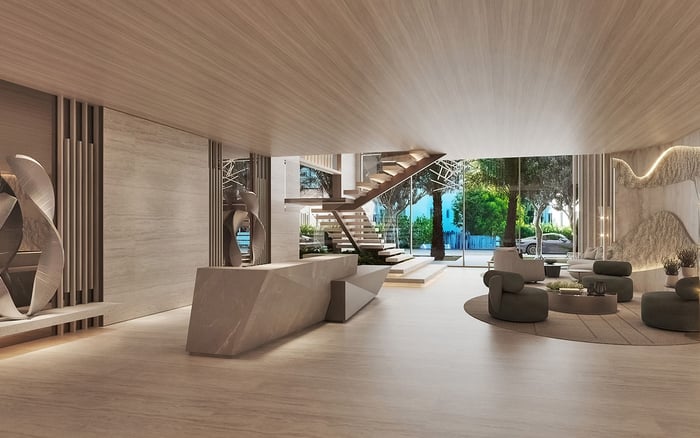
A waterfront home in Bay Harbor Islands warrants diligence beyond interiors and views. Buyers should verify ownership, structural condition, permits, dredging exposure, shoreline constraints, flood resilience, and property-specific insurance terms before closing.
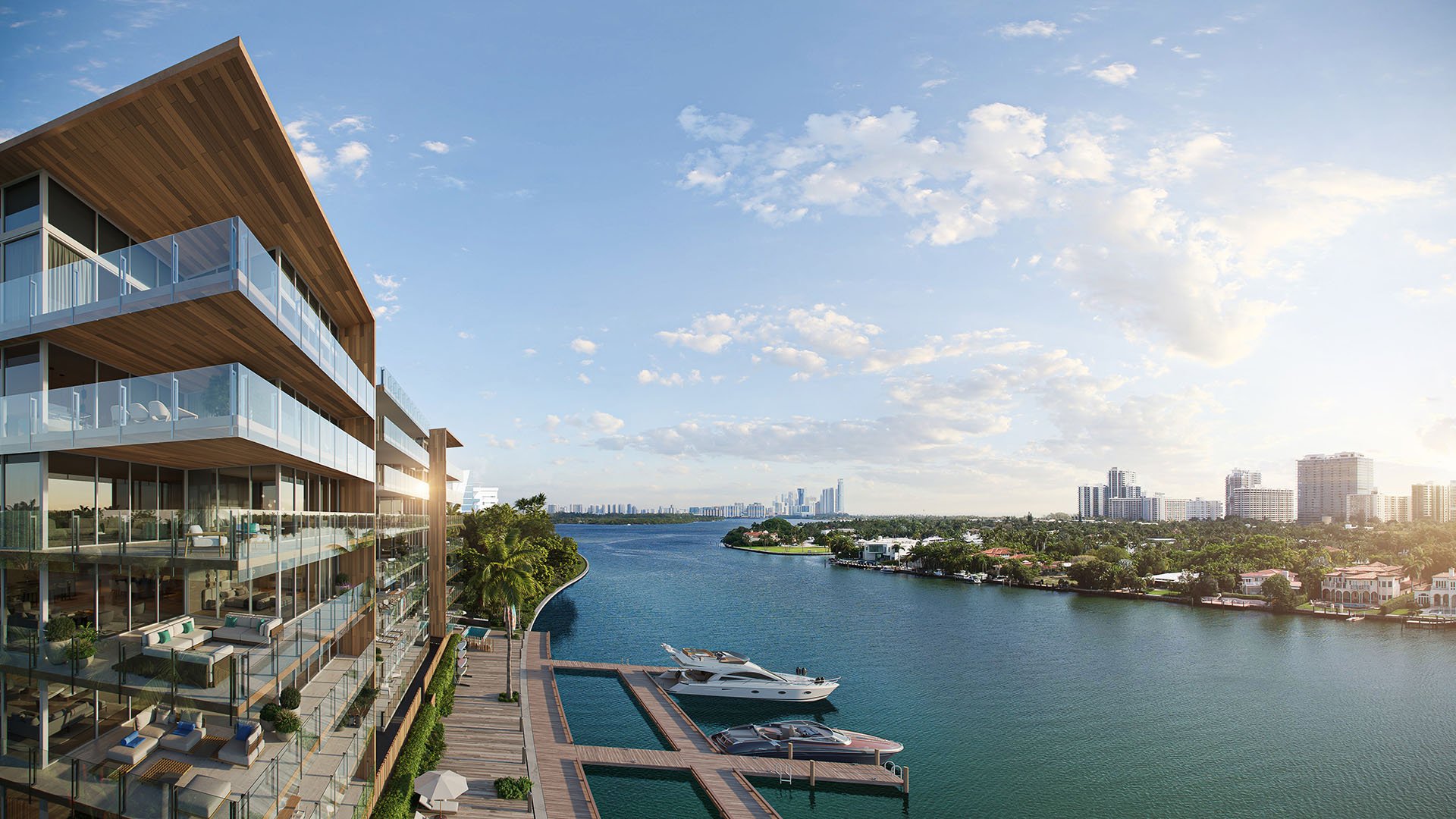
A primary residence in Bay Harbor Islands should be evaluated as both a home and a waterfront asset. Beyond the interiors, buyers should examine the seawall, dock, shoreline, site drainage, outdoor improvements, and adjoining water access.
The diligence process should address ownership, condition, permitting, future capital exposure, practical use, and insurance. Renovated interiors do not resolve questions about marine structures, dock approvals, dredging responsibilities, shoreline plans, or the placement of mechanical equipment.
The same discipline applies when comparing a private home with condominium options such as Bay Harbor Towers and Alana Bay Harbor Islands. In either case, buyers should identify who controls each waterfront component, who may be responsible for related costs, and which documents support those conclusions.
Responsibility for a seawall, dock, or shared shoreline feature should not be assumed. Counsel can review the deed, plat, boundary survey, title exceptions, easements, and any condominium or homeowners' association documents to determine whether an element is private, shared, or treated as common property.
When an association may maintain waterfront infrastructure, buyers should request available budgets, reserve information, engineering materials, assessment history, meeting records, and provisions governing future expenses. These records can help clarify potential obligations and inform negotiations before closing.
This review is also relevant when evaluating boutique waterfront buildings such as La Maré Bay Harbor Islands. Governing documents and property-specific records should guide the analysis rather than assumptions about how shoreline costs are allocated.
A buyer should consider retaining a qualified marine structural professional to evaluate the seawall and related waterfront improvements. The scope can include visible condition, cap elevation, tie-backs, drainage, signs of soil loss or movement, anticipated work, and estimated costs.
Potential warning signs may include cracking, displacement, separated components, erosion, subsidence, drainage issues, or movement near the wall. Any concern should be assessed by the appropriate professional rather than resolved through visual impressions alone.
The review should also distinguish between the condition of the seawall and that of docks, lifts, piles, caps, anchors, and adjacent improvements. Each component may have separate ownership, maintenance, approval, and insurance implications.
Before closing, request available records for seawalls, docks, lifts, shoreline work, permits, inspections, notices, violations, repair requests, and open applications. Compare those materials with the survey, title documents, inspection findings, and the property's current configuration.
Existing waterfront improvements should be matched to available approvals instead of being presumed compliant because they are already in place. If records are incomplete or inconsistent, the buyer's attorney and relevant specialists can identify the questions that should be resolved during diligence.
For buyers comparing newer residences such as Onda Bay Harbor, construction age should not replace document review. The inquiry remains specific to the residence, waterfront components, approvals, and governing documents.
Dredging responsibility should be investigated on a property-specific basis. Title materials, easements, waterfront agreements, association records, and available governmental records may help identify who controls the adjoining water area and whether the owner could face direct costs or shared expenses.
Boat access should be tested as a practical condition rather than assumed from marketing language. Buyers can compare the intended vessel, dock and lift configuration, available water depth information, access route, maintenance responsibilities, and applicable approvals with guidance from qualified professionals.
A waterfront location or boat slip does not by itself answer questions about navigability, maintenance, dredging authority, or cost allocation. Those issues should be resolved in writing when they are material to the purchase.
Plans for pools, spas, landscaping, docks, lifts, decks, lighting, or other waterfront improvements should be reviewed before they influence an offer. A survey and concept plan can help the buyer's professionals test setbacks, elevations, structural feasibility, environmental considerations, association restrictions, and approval requirements.
Landscape and drainage concepts also deserve early attention. Buyers should ask how planting, irrigation, grading, runoff, and maintenance practices may affect the seawall, neighboring property, and the adjoining waterbody.
A buyer considering wellness-oriented living at The Well Bay Harbor Islands may value thoughtfully planned outdoor space, but any private-residence improvements still require property-specific review. Design decisions should follow diligence on physical constraints and required approvals.
Insurance should be tested during the diligence period. Buyers can assemble available flood-zone information, an elevation certificate if one exists, marine inspection findings, permit records, details about waterfront structures, and information about electrical, HVAC, and other mechanical equipment.
A property-specific insurance review should address available coverage, deductibles, conditions, exclusions, required documentation, and any improvements that may affect underwriting. The objective is to understand prospective terms before closing rather than merely confirm that a policy may be available.
The insurance file should be updated if inspections identify unresolved conditions or planned work. Buyers should coordinate legal, engineering, inspection, and insurance advice so that each professional is evaluating the same property information.
Who should verify responsibility for a seawall? The buyer's attorney can review title, survey, easement, and association documents, while qualified inspectors or engineers can address physical condition.
Is a visual seawall review enough? A visual review alone may not resolve structural, elevation, drainage, anchoring, soil, or useful-life questions, so specialist input should be considered.
Which waterfront records should a buyer request? Request available permits, inspections, plans, notices, violations, repair records, engineering materials, and documents concerning docks, lifts, and shoreline work.
How can a buyer investigate dredging obligations? Review title materials, easements, waterfront agreements, association records, and available governmental records with counsel.
Does an existing dock establish that it was approved? No assumption should be made solely from its presence; compare the dock and any lift with available permits, plans, surveys, and inspection records.
How should boat access be evaluated? Consider the intended vessel, dock configuration, available depth information, access route, maintenance responsibilities, and applicable approvals.
What should be reviewed before planning a pool or spa? Ask qualified professionals to examine the survey, setbacks, elevations, structural feasibility, association restrictions, and approval requirements.
What association records may reveal future waterfront costs? Budgets, reserve information, meeting records, engineering materials, assessment history, and expense-allocation provisions may help clarify exposure.
What information supports an early insurance review? Assemble available flood and elevation materials, inspection findings, permit records, waterfront details, and information about major building systems.
What is the best way to shortlist comparable options for touring? Start with location fit, delivery status, and daily lifestyle priorities, then compare stacks and elevations to validate views and privacy.
To compare the best-fit options with clarity, connect with MILLION.
If branded residences are on your mind — as a home or as an allocation — we would be glad to share what we are seeing, privately.
Begin a quiet conversation